
AI & Tools
AI Trends Changing Jobs, Work and Workplace Skills
AI is changing workplace tasks, career skills and business workflows. See the key AI trends workers and job seekers should understand and how to prepare.
Let’s be honest.
When people talk about AI and the future, it can feel overwhelming.
New tools. New trends. Big predictions.
You might be thinking:
- What does all this mean for me?
- Do I need to learn everything right now?
- Am I already falling behind?
You’re not alone.
The speed of AI change can create stress—not excitement—especially if you’re new. But here’s the truth most people won’t tell you:
You don’t need to understand everything about AI to benefit from it.
You just need clarity.
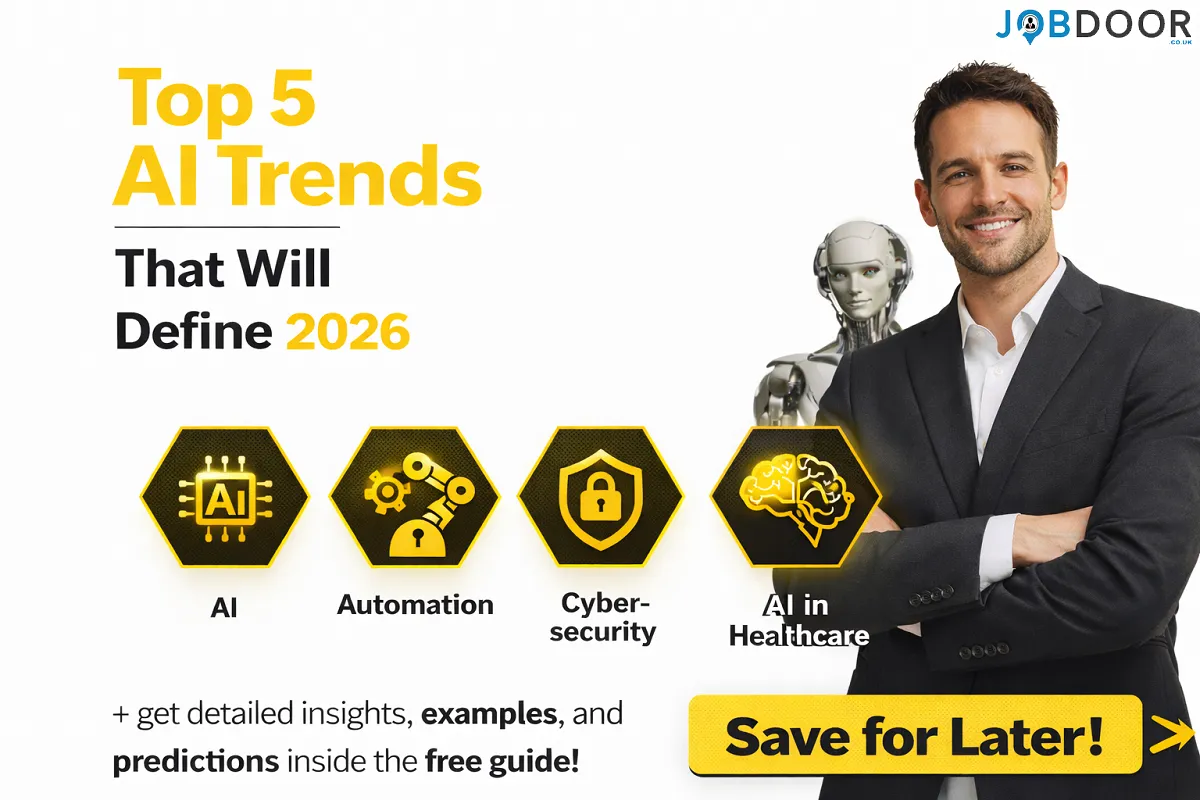
In this guide, I’ll walk you through five AI trends changing jobs, workplace tasks and professional skills, explained in simple language, without technical jargon or fear. More importantly, I’ll show you:
- How to think about these trends calmly
- How to choose one area to focus on
- How to take small, practical steps without pressure
By the end, you’ll feel informed—not intimidated.
Before the Trends: The Right Mindset for AI at Work
Before we dive into trends, let’s set the foundation.
AI Is a Tool, Not a Threat:
AI is not here to replace people who adapt.
It replaces repetitive work, not human judgment, creativity, or care.
Think of AI like electricity.
It didn’t remove jobs—it changed how work was done.
Your goal is not to fight AI.
Your goal is to use it wisely.
You Don’t Need to Chase Every Trend:
One of the biggest beginner mistakes is trying to follow everything.
That leads to:
- Confusion
- Burnout
- Anxiety
Instead, your strategy should be:
Understand the big picture → Pick one direction → Go slowly but consistently
That’s how you stay in control.
Trend #1: AI Everywhere (Not Just for Tech People):
What This Trend Means in Simple Words?
AI is becoming a normal part of everyday work rather than something used only by specialist teams.
It will be:
- Inside apps you already use
- Built into phones, emails, websites, and tools
- Quietly helping in the background
You won’t always notice it—but it will be there.
Why This Matters to Beginners?
This trend is good news.
It means:
- You don’t need to learn complex systems
- AI tools will become easier to use
- Interfaces will feel more human and natural
AI will meet you where you are.
How You Can Use This Trend?
Instead of asking:
“How do I learn AI?”
Ask:
“How can AI make my current work easier?”
Examples:
- Writing faster
- Planning better
- Organizing tasks
- Reducing mental load
Start small. Stay comfortable.
Trend #2: AI Automation Becomes Part of Everyday Work
What Is Automation?
Automation simply means:
Letting software handle repetitive tasks for you.
Nothing fancy.
Examples:
- Sending automatic emails
- Scheduling posts
- Organizing data
- Following up with customers
Why Automation Will Define today?
As AI automation becomes easier to use, workers and businesses will increasingly expect repetitive processes to be handled with less manual effort.
Businesses that don’t automate will:
- Move slower
- Cost more
- Feel outdated
What This Means for You?
You don’t need to build automation systems.
You just need to understand how they help.
Automation gives you:
- More time
- Less stress
- Fewer mistakes
If something feels repetitive, it’s a good candidate for automation.
Trend #3: AI Literacy and Cybersecurity Become Core Workplace Skills
Why Cybersecurity Is Now a Daily Concern?
As AI grows, so do risks.
More data.
More automation.
More online activity.
This means protecting information becomes critical—not optional.
Cybersecurity?
Cybersecurity means:
Keeping data, accounts, and systems safe from misuse.
That’s it.
You don’t need to be a hacker to care about security.
How AI Changes Cybersecurity at Work?
AI will:
- Detect threats faster
- Monitor unusual behavior
- Help prevent attacks automatically
But humans still make decisions.
What You Should Do as a Beginner?
Focus on habits, not fear:
- Use strong passwords
- Learn basic online safety
- Respect data privacy
Awareness is enough at the start.
Trend #4: AI Changes Roles Across More Industries
Why Healthcare Is Changing?
AI is moving beyond technology companies and into healthcare, finance, retail, education, logistics, marketing, customer service and many other fields.
As adoption grows, many workers will see AI added to existing roles rather than seeing an entirely new job appear.
- Customer service teams may use AI to summarise conversations and suggest responses.
- Marketing teams may use AI for research, drafting and content analysis.
- Finance teams may use AI to review large amounts of information and spot patterns.
- Healthcare teams may use AI-assisted systems for documentation, analysis and monitoring.
- Operations teams may use automation to reduce repetitive administrative work.
What This Means for Your Career
The important question is not whether your industry will use AI. It is how AI will change the tasks inside your role.
Workers who combine industry knowledge with practical AI skills can become more effective without abandoning their existing expertise.
Why This Trend Matters
AI is becoming a workplace capability, not just a technology topic. That makes AI literacy useful across many career paths.
Trend #5: Human + AI Collaboration Becomes a Core Career Skill
This is the most important trend of all.
The Big Shift:
In today, success won’t belong to:
- Humans alone
- Or AI alone
It will belong to people who know how to work with AI.
What Collaboration Looks Like?
AI handles:
- Speed
- Data
- Repetition
Humans handle:
- Judgment
- Creativity
- Empathy
- Decision-making
Together, they work better.
Why This Should Reduce Anxiety?
You are still needed.
AI is not taking control.
It’s sharing the workload.
How to Choose ONE AI Trend to Focus On?
Trying to understand every AI development at once creates stress. A better approach is to focus on the workplace skills that connect directly to your role. For more practical guidance, see our guide to AI skills for job seekers.
Instead, use this simple filter.
Ask Yourself These Questions:
- Which trend feels most relevant to my life or work?
- Which one feels easiest to understand?
- Which one reduces stress instead of adding it?
Choose comfort first.
Growth follows clarity.
A Simple 4-Step System to Apply AI Trends Without Overwhelm:
Here’s a beginner-friendly system.
Step 1: Observe Before Acting
Spend time noticing:
- Where AI already shows up
- Where tasks feel repetitive
- Where stress exists
No action yet. Just awareness.
Step 2: Pick One Small Use Case
Example:
- Use AI to plan a week
- Automate one task
- Improve one habit
Small changes matter.
Step 3: Test Without Pressure
Treat it like an experiment.
No expectations.
No perfection.
Ask:
“Did this make my life easier?”
Step 4: Track Calm Progress
Track only:
- Time saved
- Stress reduced
- Clarity gained
Not numbers. Not comparisons.
Common Mistakes Beginners Should Avoid with AI
Let’s prevent frustration.
❌ Trying to master AI too quickly
❌ Comparing yourself to experts
❌ Buying tools without understanding them
❌ Consuming too much information
Instead:
✔ Learn slowly
✔ Apply one thing at a time
✔ Focus on ease
What Success with AI Really Looks Like?
Success is not becoming an AI expert overnight.
Real success looks like:
- Feeling less overwhelmed
- Making better decisions
- Having more time
- Feeling confident about the future
That’s enough.
Frequently Asked Questions About AI Trends and Work
Will AI change the jobs people do?
Yes. AI is likely to change many tasks within jobs. Some repetitive activities may become automated, while other roles may place more value on judgment, communication, problem-solving and AI-assisted work.
What AI skills are useful for most workers?
Useful skills include writing effective prompts, checking AI output, working with AI-assisted research and data, understanding privacy, and using automation responsibly. The best skills depend on your role.
Do I need to become an AI specialist?
No. Many workers can benefit from practical AI literacy without becoming programmers or AI engineers. Start with the tasks you already perform and identify where AI can save time or improve the quality of your work.
How can job seekers prepare for AI-driven recruitment?
Build evidence of useful skills, keep your CV accurate and specific, and understand how AI may be used during recruitment. Our guide on AI and recruitment covers the process in more detail.
How should I use AI without losing my own skills?
Use AI to support your thinking rather than replace it. Review important outputs, make final decisions yourself, and keep developing the communication, judgment and technical skills your role requires.
Related AI and Career Guides
- AI Growth and the Future of Work
- How to Use AI Efficiently at Work
- ChatGPT vs Microsoft Copilot for Work
- AI Tools for Small Business
- How to Use AI Responsibly When Applying for Jobs
Conclusion
The top AI trends of today are not something to fear.
They are signals.
Opportunities.
Tools waiting to be used gently and wisely.
You don’t need to rush.
You don’t need to know everything.
You don’t need to compete with anyone.









How to Start a Career in Sports and Leisure in the UK
A practical guide to sports and leisure careers in the UK, covering jobs, qualifications, apprenticeships, skills, experience, CVs and career...


How to Start a Career in Travel and Tourism in the UK
Travel and tourism is a broad career sector with opportunities in travel agencies, airports, airlines, visitor attractions, tours, hotels, heritage...


How to Start a Career in Property and Real Estate in the UK
Property and real estate is a broad career field covering residential property, commercial buildings, land, development, valuation, lettings, property management...


How to Start a Career in Hospitality in the UK
Thinking about hospitality as a career in the UK? Compare hotel, restaurant and guest service roles, entry routes, skills, apprenticeships...


How to Start a Career in Retail in the UK
Thinking about a retail career in the UK? Compare retail roles, entry routes, apprenticeships, skills, experience, CV tips and ways...


How to Start a Career in Science and Research in the UK
Planning a science or research career in the UK? Compare career paths, qualifications, apprenticeships, skills and practical ways to get...


How to Start a Career in Law in the UK
Thinking about a career in law? This guide explains UK legal career routes, qualifications, solicitor and barrister pathways, apprenticeships, skills,...


How to Start a Career in Education in the UK
Thinking about a career in education? Compare teaching and non-teaching roles, qualifications, apprenticeships, experience, skills and practical steps for getting...


How to Start a Career in Marketing in the UK
Marketing is a broad career field that combines communication, creativity, research, data and business thinking. It includes traditional marketing as...


How to Start a Career in Healthcare in the UK
Healthcare is one of the UK’s broadest career areas. It includes doctors and nurses, but also healthcare assistants, laboratory staff,...


How to Start a Career in Human Resources (HR) in the UK
Photo by Vitaly Gariev on Unsplash Human resources, usually called HR, is a people-focused career that combines communication, organisation, business...


How to Start a Career in Construction in the UK
Construction is one of the UK’s broadest career sectors. It includes hands-on trades such as bricklaying, carpentry and plumbing, as...


How to Start a Career in Energy and Utilities in the UK
Planning a career in energy and utilities in the UK? See job options, apprenticeships, qualifications, skills and practical steps to...


How to Start a Career in Media and Communications in the UK
Planning a media and communications career in the UK? Compare job options, entry routes, apprenticeships, skills, experience and practical steps...


How to Start a Career in Environmental and Sustainability Jobs in the UK
Environmental and sustainability careers are becoming an important part of many UK workplaces. Jobs in this area can involve protecting...


How to Start a Career in Cybersecurity in the UK
Thinking about a cybersecurity career in the UK? Here is a practical guide to skills, qualifications, entry-level roles, applications and...


How to Start a Career in Engineering in the UK
Thinking about engineering as a career in the UK? Here is a practical guide to engineering fields, qualifications, apprenticeships, skills,...


How to Start a Career in Government and Public Services in the UK
Thinking about a career in government or public services? This guide covers job options, entry routes, apprenticeships, skills, applications and...


Rolls-Royce Internship UK: Eligibility, Opportunities & How to Apply
Find Rolls-Royce internships in the UK with practical guidance on eligibility, opportunities, applications, assessments, skills and preparation.


How to Start a Career in Transport and Logistics in the UK
Planning a career in transport and logistics in the UK? See entry-level roles, apprenticeships, qualifications, skills and practical steps to...
-
 Career3 years ago
Flexible Jobs for Older Adults in the UK: 7 Career Options
-
 How-to8 months ago
How to Use Google Gemini for Freelance Work and Career Skills
-
 Jobs8 months ago
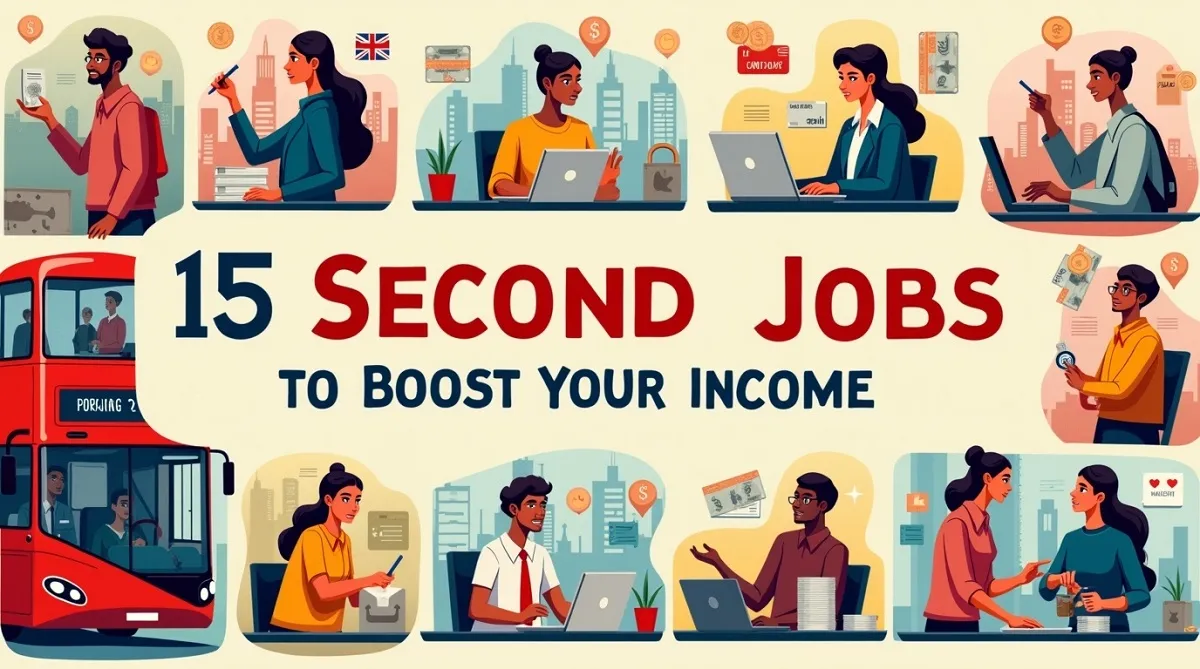
Second Jobs in the UK: 15 Practical Ways to Earn Extra Income
-

 Career2 years ago
Free Job Posting Sites in the UK: Options for Employers
-
 How-to8 months ago
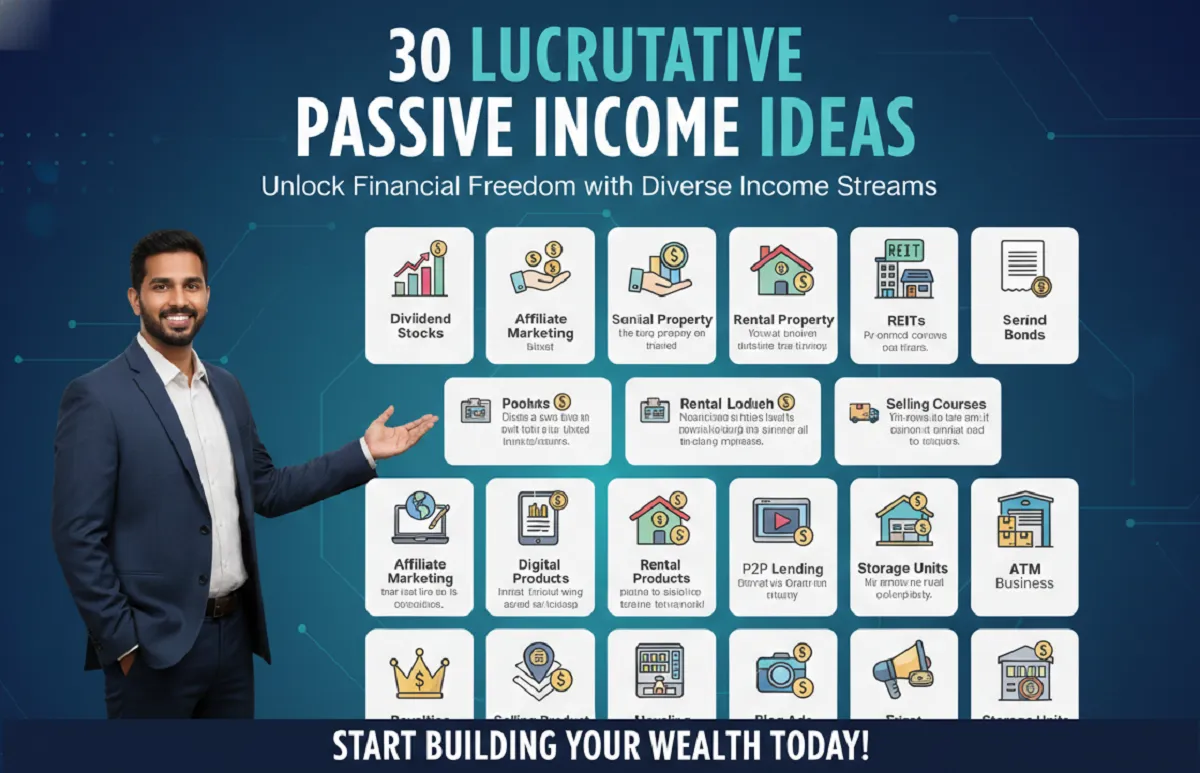
How to Build Passive Income: 20 Income-Producing Assets for Long-Term Financial Growth
-
 AI & Tools8 months ago
How to Use Google Gemini for Productivity at Work
-

 Job Description3 years ago
Support Worker Job Description: Duties, Skills, Salary and Career Guide UK
-
 AI & Tools8 months ago
ChatGPT vs Microsoft Copilot: Which AI Is Best for You?