

Writing a CV with no experience can feel difficult, especially when many entry-level job adverts ask for previous work experience. The good news is that a first CV does not need a long employment history to show an employer what you can offer.
If you are a student, school leaver, graduate or first-time job seeker, focus on the skills, education and experiences you have genuinely gained so far. The aim is to show that you are ready to learn and that your background is relevant to the role.
Can You Write a Good CV With No Work Experience?
Yes. A CV with no formal work experience can still include useful evidence of your abilities. Education, coursework, projects, volunteering, work placements, extracurricular activities and responsibilities can all help when they are relevant.
The key is to avoid filling the document with vague claims. Instead, give clear examples of what you have done and the skills you used.
What Should You Put on a CV With No Experience?
If you want a broader CV structure, see our UK CV writing guide as well.
- Contact information
- A short personal profile
- Education and qualifications
- Relevant skills
- Projects, coursework or practical work
- Volunteering or work experience
- Achievements and activities that support your application
You do not need every section. Choose the information that is genuinely useful for the job you want.
How to Write a CV With No Experience Step by Step
1. Start With Your Contact Information
Include your name and appropriate contact details. Keep this section simple and professional.
2. Write a Short Personal Profile
Your personal profile should briefly introduce your current position and the strengths that are relevant to the type of work you want.
For example: “Motivated business graduate with experience working on university projects and strong communication and organisational skills. Seeking an entry-level role where I can develop practical experience and contribute to a professional team.”
Only claim strengths and experience that you can genuinely support.
3. Put Education in a Prominent Position
When you have limited work experience, education may be one of the strongest parts of your CV. Include qualifications, relevant subjects and significant projects where useful.
4. Add Relevant Skills
Choose skills that relate to the role rather than listing every skill you can think of.
Depending on your experience, relevant skills might include communication, customer service, organisation, teamwork, problem-solving, digital tools or a specific technical ability.
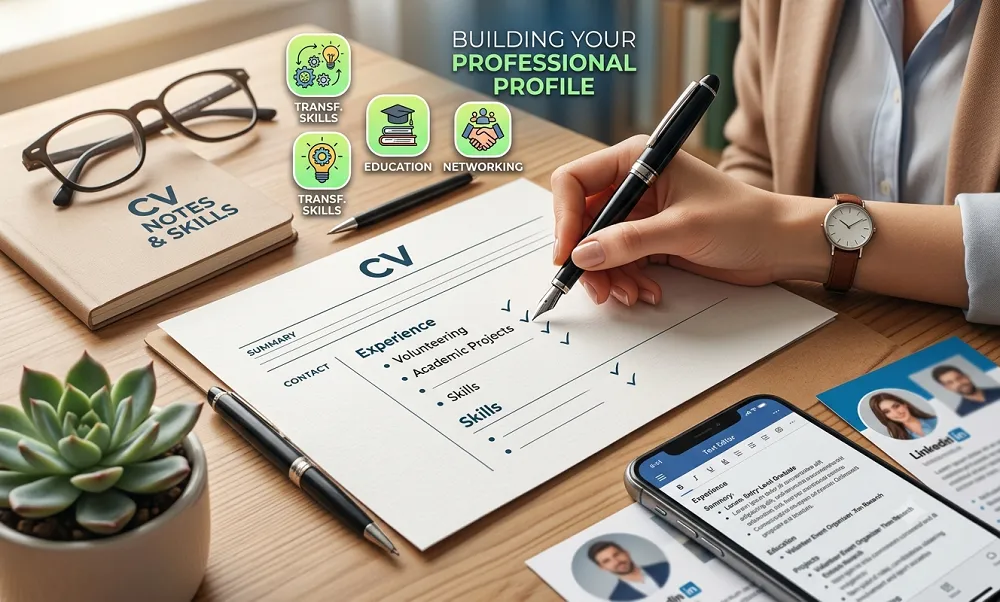
5. Include Projects and Coursework
Projects can demonstrate practical abilities even when they were completed as part of education. Briefly explain what the project involved, what you contributed and what skills you used.
6. Include Volunteering and Placements
Voluntary work, internships and work placements can show responsibility and practical experience. Describe your genuine duties in the same clear way you would describe paid employment.
7. Add Relevant Activities and Achievements
Societies, sports, competitions, events and other activities may be useful when they demonstrate skills relevant to the role. Do not add them simply to make the CV longer.
How to Describe Experience When You Have Never Had a Full-Time Job
You may have more relevant experience than you think. Consider situations where you have worked with other people, organised tasks, solved problems, served customers, managed deadlines or taken responsibility for a project.
Examples of Experience You Can Include
- Part-time work
- Internships and work placements
- Volunteering
- University or college projects
- Student societies and events
- Freelance work you genuinely completed
- Family responsibilities where directly relevant and appropriate to mention
Skills to Put on a CV With No Experience
There is no universal list of skills that guarantees an interview. Start with the job description and identify the abilities you genuinely have.
Communication
Give an example showing how you have communicated with customers, classmates, team members or other people.
Teamwork
Group projects, volunteering and organised activities can provide genuine examples of working with others.
Organisation
Meeting deadlines, coordinating tasks and balancing study with other responsibilities can demonstrate organisational ability.
Technical Skills
Include software, digital tools or technical knowledge only at a level you can accurately describe.
Should You Use a Skills-Based CV?
A skills-based structure can be useful when you have little employment history, but your skills still need evidence. Simply writing “teamwork” or “leadership” without examples is less useful than showing where you developed those abilities.
How to Tailor a No-Experience CV to a Job
Start with the job advert and highlight the skills it asks for. You can also review our guide to what to look for in a job description.
Read the job description carefully and identify the skills and responsibilities that matter most. Then make the relevant parts of your genuine background easier for the employer to find.
For example, if a customer-facing role requires communication and organisation, a relevant university event or volunteering experience may deserve more space than an unrelated activity.
What Not to Do When Writing Your First CV
- Do not invent work experience
- Do not exaggerate your level of responsibility
- Do not copy generic skills without evidence
- Do not make the CV unnecessarily long
- Do not use an overly complicated design
- Do not send exactly the same CV to every job without reviewing it
For more mistakes to avoid, read 10 CV mistakes that can stop you getting an interview.
How Long Should a CV With No Experience Be?
There is no single perfect length. For someone with limited experience, a concise CV that clearly presents relevant information is usually better than adding unnecessary content simply to fill space.
How to Make a No-Experience CV Stand Out
Projects, volunteering and practical experience can help demonstrate skills. Our guide to getting a job in the UK covers the wider job-search process.
Focus on specificity. Replace broad statements with short examples that show what you actually did.
For instance, rather than writing “excellent teamwork skills”, explain a relevant group project, your contribution and the responsibility you held.
Can You Use AI to Help Write Your First CV?
AI can help with wording and structure, but your CV should remain accurate and based on your real experience. See our guide to using AI to help write a CV.
AI can help you organise your information, improve wording and identify repetitive language. However, it should not invent skills or achievements for you.
Read our guide on how AI can help you write a CV without making it sound generic for a practical approach.
Frequently Asked Questions
What Do I Put on a CV if I Have No Experience?
Focus on education, relevant skills, projects, volunteering, placements and activities that provide genuine evidence of your abilities.
Should I Include School Subjects on My CV?
You can include relevant subjects and qualifications, particularly when you have limited professional experience. As you gain more work experience, older educational details may become less important.
Can I Get a Job With No Experience?
Entry-level roles are designed for people at different stages of their careers. Your chances will depend on the role, your application and how clearly you show relevant skills and potential.
Should I Lie About Experience to Get My First Job?
No. False information can create problems during interviews or later checks. Present your real experience in the strongest accurate way instead.
How to Keep Your CV Honest
Do not add jobs, qualifications or skills simply because you think employers expect them. See our guide to common lies people tell on a CV and why they can backfire before submitting your application.
Final Thoughts
A lack of formal work experience does not mean you have nothing to put on a CV. Start with what you have genuinely done, identify the skills those experiences demonstrate and tailor the document to the role you want.
For a complete CV structure and more examples, read our guide on how to write a CV for a job in the UK.