
Career
Courses With Good Job Prospects in the UK: Career Guide

Choosing a course is an important career decision. Instead of looking only at which subjects are popular, it helps to consider the types of jobs a course can lead to, the skills employers look for and whether the qualification matches the career you want.
There is no single course that guarantees a job. Employment prospects can change with the economy, technology, public services and employer demand. However, some areas offer a wide range of career paths and can provide a useful starting point for UK job seekers.
What Makes a Course Good for Career Prospects?
A course can support your career in several ways. Look beyond the course title and check what you will actually study and what skills you will build.
- Relevant skills: The course should help you build skills used in real jobs.
- Clear career routes: Check which job roles graduates commonly move into.
- Work experience: Placements, projects and internships can make a course more useful for employment.
- Professional requirements: Some careers require registration, accreditation or further training after graduation.
- Transferable skills: Communication, problem-solving, organisation and digital skills can help across different roles.
Courses and Subject Areas With Strong Career Potential
The following subject areas can lead to a broad range of jobs in the UK. They are not ranked because the right choice depends on your interests, qualifications, location and career goals.
1. Healthcare and Nursing
Healthcare offers several professional career routes, including nursing, midwifery, medicine and allied health professions. These careers can require specific degrees, placements and professional registration.
Depending on the course, graduates may work as nurses, physiotherapists, occupational therapists, radiographers or in other healthcare roles. If you are considering nursing, our guide to getting a nurse job in the UK explains some of the main steps involved.
2. Computer Science and Software
Computer science and related courses can lead to careers in software development, systems analysis, testing, technical support, cloud computing and other technology roles. Course content varies, so check whether the programme includes programming, databases, software engineering, networks or other areas that match your career interests.
Students who enjoy problem-solving and technology can also build experience through personal projects, university societies, internships and entry-level technology roles. You can also compare careers in artificial intelligence and cybersecurity careers if you are considering a technology-focused path.
3. Data and Analytics
Data-related courses can prepare students for roles such as data analyst, data scientist, business intelligence analyst and data engineer. Useful areas of study may include statistics, databases, data visualisation, programming and analytical methods.
Not every data career requires the same technical background. Before choosing a course, check the tools and methods taught and compare them with the requirements of the jobs you want to apply for.
4. Engineering
Engineering courses can lead to careers across construction, manufacturing, infrastructure, technology, energy and other industries. Common study areas include civil, mechanical, electrical, electronic and systems engineering.
Engineering courses often combine technical knowledge with mathematics, project work and practical problem-solving. Some professional engineering routes also involve additional professional development after university. For more detail, see our guide to starting an engineering career in the UK.
5. Accounting and Finance
Accounting and finance courses can support careers in accountancy, financial analysis, audit, taxation, banking and business finance. They can also provide skills that are useful in many organisations outside the financial services sector.
If you are interested in professional accountancy, check whether the course offers exemptions or other routes towards professional qualifications. This can affect the time and cost involved in reaching your chosen career.
6. Business and Management
Business and management courses cover areas such as operations, marketing, human resources, strategy and finance. They can be useful for students who want flexibility rather than one narrowly defined profession.
Because business degrees can lead to many different roles, gaining practical experience is especially important. Placements, part-time work, volunteering and university projects can help you show employers how you have applied your skills. If you are looking for practical experience, our UK internships guide covers ways to find and evaluate opportunities.
7. Digital Marketing and Communications
Digital marketing and communications courses can lead to roles in content, social media, search marketing, public relations, email marketing and marketing operations. Employers may value a combination of writing, analytical, creative and digital skills.
Students can strengthen their CV by building a small portfolio, managing a project or campaign, creating content and becoming familiar with commonly used digital marketing tools. Our guide to starting a marketing career in the UK provides another route to compare.
8. Education and Teaching
Education courses can lead to teaching and education-related careers. Depending on the route, students may specialise in primary education, secondary subjects, special educational needs or other areas.
Teaching is a profession with specific qualification and training requirements, so check the route into teaching before choosing a course. Practical school experience can also be an important part of preparation. You can also review our guide to starting a career in education in the UK.
Compare Courses by Career Route
| Subject area | Possible career routes | Useful skills |
|---|---|---|
| Healthcare | Nursing, allied health, healthcare services | Communication, care, teamwork, decision-making |
| Computer science | Software, IT, systems, testing | Programming, problem-solving, technical skills |
| Data | Data analysis, data science, business intelligence | Statistics, analysis, databases, visualisation |
| Engineering | Design, infrastructure, manufacturing, technical roles | Mathematics, design, problem-solving, project work |
| Accounting and finance | Accounting, audit, banking, financial analysis | Numeracy, analysis, accuracy, commercial awareness |
| Business | Operations, HR, management, consulting | Communication, organisation, teamwork, planning |
| Digital marketing | Marketing, content, social media, communications | Writing, creativity, analytics, digital skills |
| Education | Teaching and education services | Communication, organisation, patience, subject knowledge |
How to Choose a Course for Your Career
Do not choose a course simply because someone says it offers good job opportunities. Use a practical process to compare your options.
- Start with career interests: Write down the types of work you would actually enjoy doing.
- Check job descriptions: Look at current vacancies and note the qualifications and skills employers request.
- Compare course modules: Check what you will study rather than relying only on the course name.
- Look for practical experience: Check for placements, projects, internships or employer links.
- Check professional requirements: Find out whether the career needs registration, accreditation or further study.
- Consider cost and location: Compare tuition fees, living costs, travel and the time required to complete the course.
- Think about your long-term options: Consider whether the qualification can lead to several roles if your interests change.
Degree vs Short Course: Which Is Better for Jobs?
A university degree is useful for many graduate and regulated professions, but it is not the only route into employment. Depending on the role, apprenticeships, professional qualifications, college courses and shorter skills-based programmes may also be suitable. If you are comparing alternatives, see our guide to apprenticeships in the UK.
The important question is whether the qualification matches the requirements of the job you want. For some careers, a specific degree is essential. For others, employers may place more emphasis on practical skills, experience and evidence of what you can do.
How to Improve Your Job Prospects While Studying
- Build a CV that focuses on relevant skills and achievements. Our UK CV guide can help you present your experience clearly.
- Apply for internships, placements and part-time roles where possible.
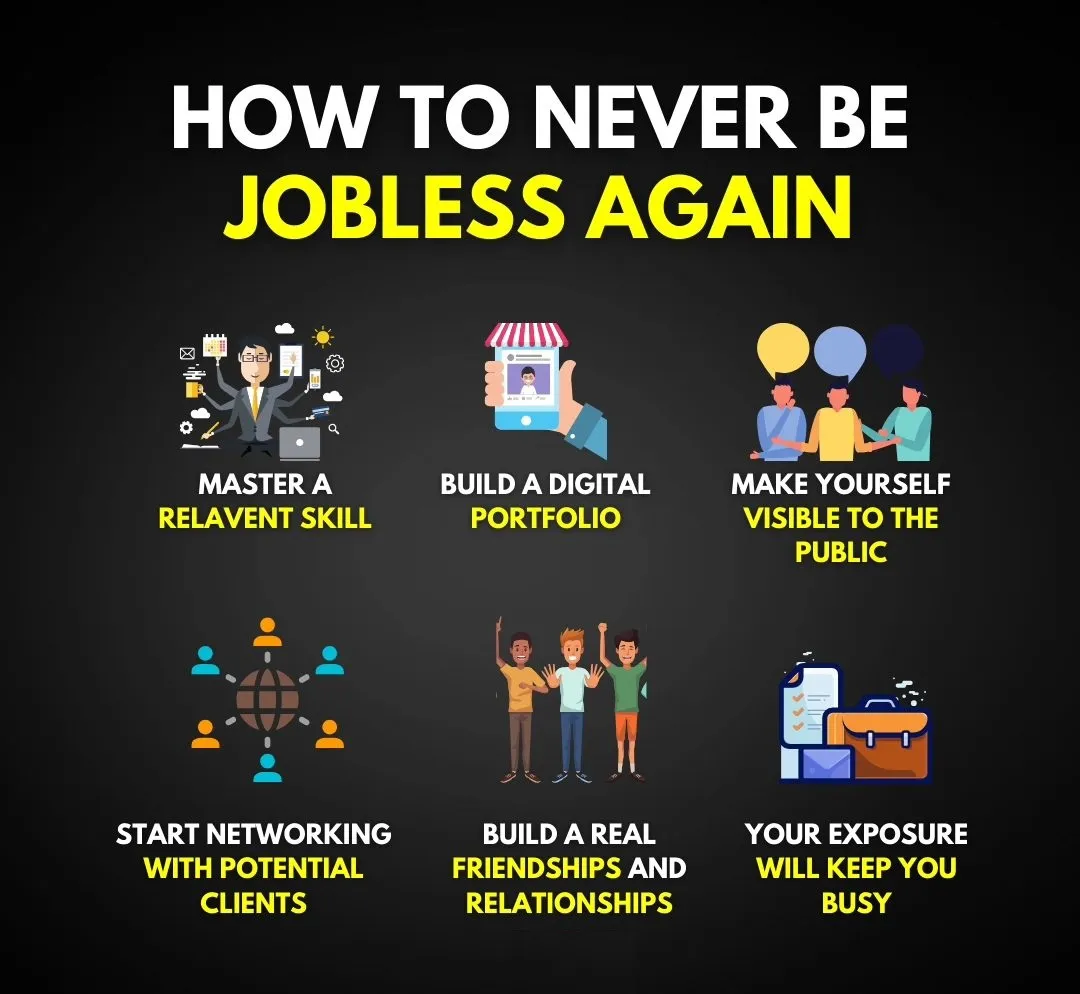
- Create a portfolio for careers where practical work can be demonstrated.
- Use university careers services and employer events.
- Build professional connections through LinkedIn and industry events.
- Practise interviews before applying for graduate and entry-level roles.
- Keep developing digital and communication skills alongside your main subject.
Questions to Ask Before Choosing a Course
- What jobs do graduates commonly move into?
- What skills and practical experience will I gain?
- Does the course include a placement or work experience?
- Does the career require professional registration or further qualifications?
- What are employers currently asking for in this field?
- Would this course give me more than one possible career route?
- Can I afford the course and living costs without creating an unrealistic financial burden?
Final Thoughts
The courses with useful job prospects in the UK cover many different areas, from healthcare and engineering to technology, finance, business, education and digital marketing. The best choice for you depends on the career you want, your strengths and the type of work you would like to do.
Rather than choosing a course based only on salary or popularity, compare the qualification, skills, experience and career routes it can provide. A course becomes much more valuable when you combine it with practical experience and a clear plan for entering the job market.
For more practical career guidance, see our guide to entry-level jobs in the UK and our advice on starting a career in digital marketing.











How to Start a Career in Sports and Leisure in the UK
A practical guide to sports and leisure careers in the UK, covering jobs, qualifications, apprenticeships, skills, experience, CVs and career...


How to Start a Career in Travel and Tourism in the UK
Travel and tourism is a broad career sector with opportunities in travel agencies, airports, airlines, visitor attractions, tours, hotels, heritage...


How to Start a Career in Property and Real Estate in the UK
Property and real estate is a broad career field covering residential property, commercial buildings, land, development, valuation, lettings, property management...


How to Start a Career in Hospitality in the UK
Thinking about hospitality as a career in the UK? Compare hotel, restaurant and guest service roles, entry routes, skills, apprenticeships...


How to Start a Career in Retail in the UK
Thinking about a retail career in the UK? Compare retail roles, entry routes, apprenticeships, skills, experience, CV tips and ways...


How to Start a Career in Science and Research in the UK
Planning a science or research career in the UK? Compare career paths, qualifications, apprenticeships, skills and practical ways to get...


How to Start a Career in Law in the UK
Thinking about a career in law? This guide explains UK legal career routes, qualifications, solicitor and barrister pathways, apprenticeships, skills,...


How to Start a Career in Education in the UK
Thinking about a career in education? Compare teaching and non-teaching roles, qualifications, apprenticeships, experience, skills and practical steps for getting...


How to Start a Career in Marketing in the UK
Marketing is a broad career field that combines communication, creativity, research, data and business thinking. It includes traditional marketing as...


How to Start a Career in Healthcare in the UK
Healthcare is one of the UK’s broadest career areas. It includes doctors and nurses, but also healthcare assistants, laboratory staff,...


How to Start a Career in Human Resources (HR) in the UK
Photo by Vitaly Gariev on Unsplash Human resources, usually called HR, is a people-focused career that combines communication, organisation, business...


How to Start a Career in Construction in the UK
Construction is one of the UK’s broadest career sectors. It includes hands-on trades such as bricklaying, carpentry and plumbing, as...


How to Start a Career in Energy and Utilities in the UK
Planning a career in energy and utilities in the UK? See job options, apprenticeships, qualifications, skills and practical steps to...


How to Start a Career in Media and Communications in the UK
Planning a media and communications career in the UK? Compare job options, entry routes, apprenticeships, skills, experience and practical steps...


How to Start a Career in Environmental and Sustainability Jobs in the UK
Environmental and sustainability careers are becoming an important part of many UK workplaces. Jobs in this area can involve protecting...


How to Start a Career in Cybersecurity in the UK
Thinking about a cybersecurity career in the UK? Here is a practical guide to skills, qualifications, entry-level roles, applications and...


How to Start a Career in Engineering in the UK
Thinking about engineering as a career in the UK? Here is a practical guide to engineering fields, qualifications, apprenticeships, skills,...


How to Start a Career in Government and Public Services in the UK
Thinking about a career in government or public services? This guide covers job options, entry routes, apprenticeships, skills, applications and...


Rolls-Royce Internship UK: Eligibility, Opportunities & How to Apply
Find Rolls-Royce internships in the UK with practical guidance on eligibility, opportunities, applications, assessments, skills and preparation.


How to Start a Career in Transport and Logistics in the UK
Planning a career in transport and logistics in the UK? See entry-level roles, apprenticeships, qualifications, skills and practical steps to...
-
 Career3 years ago
Flexible Jobs for Older Adults in the UK: 7 Career Options
-
 How-to8 months ago
How to Use Google Gemini for Freelance Work and Career Skills
-
 Jobs8 months ago
Second Jobs in the UK: 15 Practical Ways to Earn Extra Income
-

 Career2 years ago
Free Job Posting Sites in the UK: Options for Employers
-
 How-to8 months ago
How to Build Passive Income: 20 Income-Producing Assets for Long-Term Financial Growth
-

 AI & Tools8 months ago
How to Use Google Gemini for Productivity at Work
-

 Job Description3 years ago
Support Worker Job Description: Duties, Skills, Salary and Career Guide UK
-

 AI & Tools8 months ago
ChatGPT vs Microsoft Copilot: Which AI Is Best for You?