
Career
Break Free From Financial Pressure: Career and Money Habits That Help

Financial pressure can affect the way people think about work, money and future opportunities. When every paycheque is focused on immediate bills, it can be difficult to think about skills, career progression, saving or longer-term goals.
That does not mean financial hardship is simply a matter of mindset. Income, living costs, family circumstances, access to education and unexpected events all matter. But building practical habits and improving your career options can give you more control over the choices available to you.
This guide looks at practical ways to move from short-term financial pressure towards stronger career and money habits in the UK. It is general information, not personal financial advice.
What Does “Poverty Thinking” Mean?
The phrase “poverty thinking” is often used to describe habits or beliefs shaped by financial scarcity. However, it should not be used to blame people for being poor. Financial circumstances are influenced by many factors outside an individual’s control.
A more useful approach is to identify habits that may make financial pressure harder to manage, such as avoiding career development, ignoring debt, spending without a plan or assuming that higher earnings are impossible.
1. Separate Your Current Situation From Your Future Potential
Your current salary or financial position does not have to define your entire career. A better question is: what can you realistically improve over the next six or twelve months?
- Identify one skill that could improve your job options.
- Review roles that match your existing experience.
- Look for training or qualifications that fit your situation.
- Keep your CV updated as you gain experience.
If you are actively looking for work, start with JobDoor’s step-by-step guide to getting a job in the UK.
2. Invest in Skills That Improve Your Career Options
One practical way to improve your financial position is to strengthen skills that employers actually need. This could mean technical knowledge, communication, project management, digital skills, industry expertise or a professional qualification.
You do not necessarily need an expensive course. Start by checking the requirements for roles you would genuinely consider and work backwards from those requirements.
If you are changing direction, consider your existing experience too. Our guide to identifying transferable skills can help you map experience from one role to another.
3. Stop Treating Every Pay Rise as Extra Spending Money
A higher salary can improve your options, but increasing every expense at the same time can reduce the benefit. When your income rises, consider directing part of the increase towards savings, debt reduction or other financial goals that matter to you.
The right balance depends on your circumstances. The important habit is to make deliberate decisions instead of automatically increasing spending whenever income increases.
4. Know Your Monthly Cash Flow
You cannot make a useful financial plan without knowing what comes in and what goes out. Review your income and regular expenses and separate essential costs from discretionary spending.
- Housing and household bills
- Food and transport
- Debt repayments
- Insurance and subscriptions
- Savings and investments
- Entertainment and other discretionary spending
If you want a digital way to organise this information, see our guide to money management apps for UK workers.
5. Be Careful With High-Cost Debt
Debt can become difficult to manage when repayments and interest consume a large part of your income. Review borrowing carefully and understand the interest rate, repayment amount and total cost before taking on new debt.
If debt is already causing serious financial difficulty, consider getting appropriate independent debt advice rather than relying on general online guidance.
6. Build an Emergency Buffer When You Can
An emergency fund can help with unexpected costs or a period between jobs. You do not need to build a large amount immediately. If your circumstances allow, start with a small regular amount and increase it when your income or expenses make that possible.
A financial buffer can also give you more flexibility when making career decisions because an unexpected expense does not automatically become an emergency.
7. Think About Career Growth, Not Just Your Next Paycheque
Your next job can provide more than immediate income. Consider whether it gives you useful experience, training, responsibility, professional contacts or a path towards future roles.
- Does the role build skills that employers value?
- Can you take on additional responsibility?
- Is training available?
- Are there realistic progression opportunities?
- Will the working pattern fit your circumstances?
When comparing opportunities, also check the responsibilities and requirements in the job description rather than judging an opportunity only by its salary.
8. Create More Than One Way to Earn
A second income stream can sometimes provide useful flexibility, but side income is not guaranteed and usually requires time, skills and consistent effort.
Possible options include freelancing, consulting, content creation, tutoring or other skill-based work. Choose an activity that fits your skills and available time rather than chasing promises of easy money.
For example, you can read about creative side hustles or the practical realities of building repeatable online income.
9. Do Not Confuse Risk With Progress
Changing jobs, starting a business or investing money can involve risk. Progress does not require taking every opportunity that appears. Instead, understand the possible benefits, costs and downside before making a decision.
Be especially careful with anyone promising guaranteed investment returns, effortless income or a fast route to wealth.
10. Build a Simple Weekly Money and Career Routine
You do not need a complicated system. A short weekly review can keep your financial and career goals visible.
- Check your upcoming essential expenses.
- Review recent discretionary spending.
- Check progress on debt or savings goals.
- Spend time improving one career skill.
- Review one suitable job or career opportunity.
- Update your CV or professional profile when you gain relevant experience.
A Better Way to Think About Financial Progress
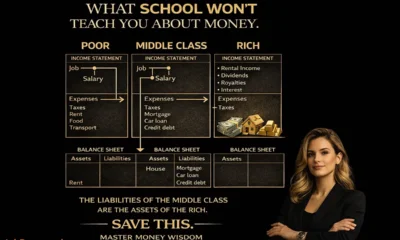
Financial progress is not a competition between “poor” and “rich” mindsets. People start from very different circumstances, and not every financial problem can be solved by changing habits.
A more useful approach is to focus on the areas you can influence: your skills, job search, career development, spending awareness, debt management, savings habits and long-term planning.
Simple Checklist
- Know your monthly essential costs.
- Keep your CV current.
- Develop skills that support your career goals.
- Compare jobs using total compensation and career prospects.
- Review debt and recurring expenses regularly.
- Build an emergency buffer when possible.
- Be realistic about side-income opportunities.
- Avoid financial decisions based only on social pressure.
- Set small, measurable career and money goals.
Final Thoughts
Breaking out of financial pressure is rarely about one dramatic decision. It is usually a combination of improving your earning potential, understanding your spending, managing commitments and making career decisions with a longer-term view.
You cannot control every part of your financial situation, but you can build knowledge and habits that help you make more informed choices. Treat your career skills, financial awareness and professional experience as long-term resources that can create more options over time.













How to Start a Career in Sports and Leisure in the UK
A practical guide to sports and leisure careers in the UK, covering jobs, qualifications, apprenticeships, skills, experience, CVs and career...


How to Start a Career in Travel and Tourism in the UK
Travel and tourism is a broad career sector with opportunities in travel agencies, airports, airlines, visitor attractions, tours, hotels, heritage...


How to Start a Career in Property and Real Estate in the UK
Property and real estate is a broad career field covering residential property, commercial buildings, land, development, valuation, lettings, property management...


How to Start a Career in Hospitality in the UK
Thinking about hospitality as a career in the UK? Compare hotel, restaurant and guest service roles, entry routes, skills, apprenticeships...


How to Start a Career in Retail in the UK
Thinking about a retail career in the UK? Compare retail roles, entry routes, apprenticeships, skills, experience, CV tips and ways...


How to Start a Career in Science and Research in the UK
Planning a science or research career in the UK? Compare career paths, qualifications, apprenticeships, skills and practical ways to get...


How to Start a Career in Law in the UK
Thinking about a career in law? This guide explains UK legal career routes, qualifications, solicitor and barrister pathways, apprenticeships, skills,...


How to Start a Career in Education in the UK
Thinking about a career in education? Compare teaching and non-teaching roles, qualifications, apprenticeships, experience, skills and practical steps for getting...


How to Start a Career in Marketing in the UK
Marketing is a broad career field that combines communication, creativity, research, data and business thinking. It includes traditional marketing as...


How to Start a Career in Healthcare in the UK
Healthcare is one of the UK’s broadest career areas. It includes doctors and nurses, but also healthcare assistants, laboratory staff,...


How to Start a Career in Human Resources (HR) in the UK
Photo by Vitaly Gariev on Unsplash Human resources, usually called HR, is a people-focused career that combines communication, organisation, business...


How to Start a Career in Construction in the UK
Construction is one of the UK’s broadest career sectors. It includes hands-on trades such as bricklaying, carpentry and plumbing, as...


How to Start a Career in Energy and Utilities in the UK
Planning a career in energy and utilities in the UK? See job options, apprenticeships, qualifications, skills and practical steps to...


How to Start a Career in Media and Communications in the UK
Planning a media and communications career in the UK? Compare job options, entry routes, apprenticeships, skills, experience and practical steps...


How to Start a Career in Environmental and Sustainability Jobs in the UK
Environmental and sustainability careers are becoming an important part of many UK workplaces. Jobs in this area can involve protecting...


How to Start a Career in Cybersecurity in the UK
Thinking about a cybersecurity career in the UK? Here is a practical guide to skills, qualifications, entry-level roles, applications and...


How to Start a Career in Engineering in the UK
Thinking about engineering as a career in the UK? Here is a practical guide to engineering fields, qualifications, apprenticeships, skills,...


How to Start a Career in Government and Public Services in the UK
Thinking about a career in government or public services? This guide covers job options, entry routes, apprenticeships, skills, applications and...


Rolls-Royce Internship UK: Eligibility, Opportunities & How to Apply
Find Rolls-Royce internships in the UK with practical guidance on eligibility, opportunities, applications, assessments, skills and preparation.


How to Start a Career in Transport and Logistics in the UK
Planning a career in transport and logistics in the UK? See entry-level roles, apprenticeships, qualifications, skills and practical steps to...
-
 Career3 years ago
Flexible Jobs for Older Adults in the UK: 7 Career Options
-
 How-to8 months ago
How to Use Google Gemini for Freelance Work and Career Skills
-
 Jobs8 months ago
Second Jobs in the UK: 15 Practical Ways to Earn Extra Income
-

 Career2 years ago
Free Job Posting Sites in the UK: Options for Employers
-
 How-to8 months ago
How to Build Passive Income: 20 Income-Producing Assets for Long-Term Financial Growth
-

 AI & Tools8 months ago
How to Use Google Gemini for Productivity at Work
-

 Job Description3 years ago
Support Worker Job Description: Duties, Skills, Salary and Career Guide UK
-

 AI & Tools8 months ago
ChatGPT vs Microsoft Copilot: Which AI Is Best for You?