
Career
How to Start a Career in Beauty and Personal Care in the UK
A practical guide to beauty and personal care careers in the UK, covering jobs, apprenticeships, qualifications, skills, experience and career progression.
How to Start a Career in Beauty and Personal Care in the UK
The beauty and personal care sector includes much more than salons. It offers careers in hairdressing, beauty therapy, make-up, skincare, nails, cosmetics sales, customer service, training and business management.
It can suit people who enjoy practical work, creativity and working directly with customers. There are also routes into the sector through college courses, apprenticeships, salon work and specialist training.
What Does the Beauty and Personal Care Sector Include?
The wider hair and beauty sector covers services such as hair styling and colouring, beauty treatments, nail care and make-up. People work in salons, spas, hotels, homes, theatres, film and television productions, retail businesses and other settings.
Beauty and Personal Care Jobs You Can Consider
Beauty Therapist
Beauty therapists provide treatments such as facials, manicures, pedicures, eyebrow and eyelash services and other treatments they are trained to deliver. The National Careers Service currently lists beauty therapist salaries at £23,000 to £29,000 a year.
Hairdresser or Barber
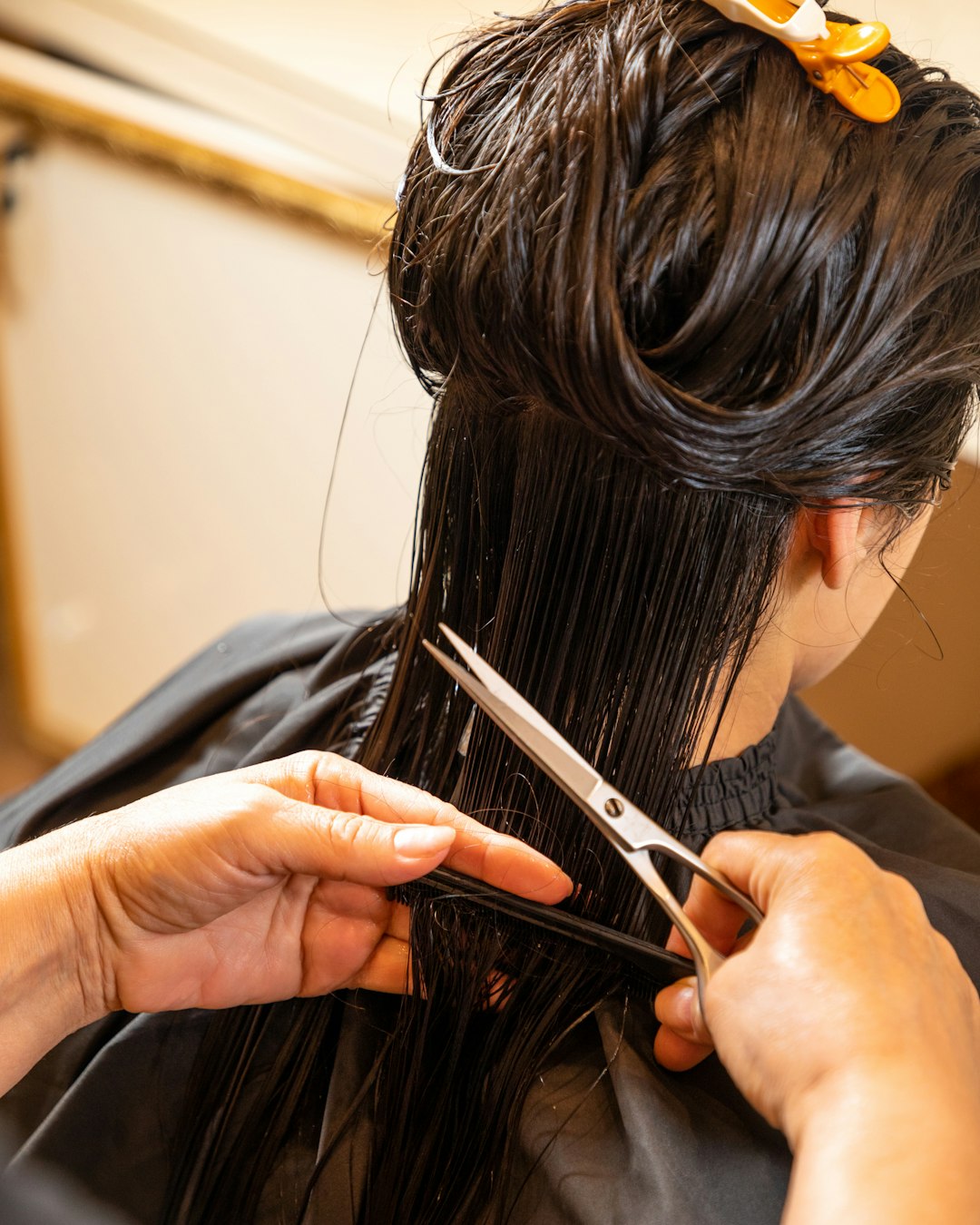
Hairdressers and barbers cut, style, colour and care for customers’ hair. The work combines practical ability with communication and customer service.
The National Careers Service currently lists hairdresser and barber salaries at £19,000 to £30,000 a year.
Make-Up Artist
Make-up artists can work in salons, weddings, fashion, photography, theatre, television and film. Some work freelance and build their careers through portfolios, contacts and recommendations.
Nail Technician
Nail technicians provide services such as manicures, pedicures, nail extensions and nail art. Attention to detail, hygiene and good customer care are important.
Skincare and Beauty Specialist
Some professionals specialise in skincare consultations and treatments. The exact services you can provide depend on your training, employer and the rules that apply to the treatment.
Beauty Consultant and Cosmetics Sales
Beauty consultants advise customers about products and treatments. Retail experience, communication skills and product knowledge can be useful for these roles.
Salon Manager
With experience, you can move into management. Salon managers may organise staff, manage appointments, handle stock, monitor sales and maintain customer service standards.
Do You Need a Degree?
Usually, a university degree is not required for many practical beauty and hair roles. College courses, apprenticeships and workplace training can provide a more direct route.
For example, the National Careers Service lists college courses, apprenticeships, work-based routes and specialist private training as possible routes into beauty therapy.
Apprenticeships in Hair and Beauty
Apprenticeships combine paid employment with structured training and study. GOV.UK says apprentices spend at least 20% of normal working hours on training or study related to their apprenticeship.
Current apprenticeship listings include Level 2 beauty therapy and hair professional routes, as well as Level 3 beauty therapy opportunities. Requirements vary by programme, so check the individual vacancy before applying.
Useful Courses and Qualifications
Depending on your career goal, useful training may include beauty therapy, hairdressing, barbering, nail technology, make-up, massage or specialist beauty techniques.
If you plan to pay for a private course, check what qualification it provides, whether it is recognised by relevant employers or professional bodies, what practical training is included and whether insurance or additional training may be needed for the work you want to do.
Skills Employers Look For
- Good customer service
- Clear communication
- Creativity
- Practical hand skills
- Attention to detail
- Clean and hygienic working habits
- Listening skills
- Patience and professionalism
- Organisation and time management
- Ability to recommend products or services appropriately
How to Gain Experience
Practical experience can make a big difference. Look for salon assistant roles, apprenticeships, work experience, college placements or junior positions where you can observe experienced professionals and practise appropriate skills.
If you want to become a make-up artist, build a portfolio using suitable practice work, college projects or permitted client work. For hair and beauty roles, keep examples of your work where appropriate and make sure you have permission before using customer images.
How to Write a CV for Beauty Jobs
Keep your CV focused on the role you are applying for. Mention relevant qualifications, practical training, customer service experience and the treatments or services you are trained to provide.
If you have limited work experience, include college projects, placements, volunteering and other customer-facing activities. For creative roles, include a link to a professional portfolio when appropriate.
How to Find Beauty and Personal Care Jobs
Search for vacancies using terms such as beauty therapist, hairdresser, barber, nail technician, salon assistant, beauty consultant, make-up artist and salon receptionist.
Check salon websites, job boards, apprenticeship listings and local employers. The National Careers Service also points candidates towards the UK Find a Job service for current vacancies.
How to Prepare for an Interview
Be ready to explain why you want the role, what training you have completed and how you would deal with different customer needs.
For practical or creative positions, you may be asked to demonstrate a skill or show examples of your work. Prepare a clean portfolio if it is relevant to the job.
Working Hours and Environment
Beauty and hair professionals may work evenings or weekends because services often depend on customer demand. You could work in a salon, spa, hotel, retail setting, theatre, production environment or independently.
Standing for long periods and working closely with customers are common in many roles, so consider whether that type of working environment suits you.
Career Progression
Career progression can take several directions. You could become a senior stylist or therapist, specialise in a particular service, move into salon management, work in education and training, enter beauty sales or marketing, or become self-employed.
Make-up artists can also move into fashion, photography, theatre, television, film and special effects with additional experience and specialist skills.
Is a Beauty Career Right for You?
This sector may suit you if you enjoy practical tasks, creative work and regular interaction with customers. It also requires patience, hygiene, reliability and a willingness to keep improving your skills.
Before paying for training, compare the course, costs, qualification and career opportunities carefully. Talk to people already working in the role if possible.
A Simple Plan to Get Started
- Choose the area of beauty or personal care that interests you.
- Check the qualifications normally requested for that role.
- Compare college courses and apprenticeship opportunities.
- Gain practical experience through training, work experience or an entry-level role.
- Build your CV and portfolio where relevant.
- Apply to salons, spas, retailers, agencies and other employers.
- Keep developing your skills as you gain experience.
Final Thoughts
A career in beauty and personal care can begin through several routes, and you do not necessarily need a university degree. Practical training, customer service skills and real experience can help you build a career in hair, beauty, make-up, skincare, nails or related roles.
The best starting point is to choose a specific role, check its entry requirements and then build the skills and experience employers are looking for.


How to Start a Career in Sports and Leisure in the UK
A practical guide to sports and leisure careers in the UK, covering jobs, qualifications, apprenticeships, skills, experience, CVs and career...


How to Start a Career in Travel and Tourism in the UK
Travel and tourism is a broad career sector with opportunities in travel agencies, airports, airlines, visitor attractions, tours, hotels, heritage...


How to Start a Career in Property and Real Estate in the UK
Property and real estate is a broad career field covering residential property, commercial buildings, land, development, valuation, lettings, property management...


How to Start a Career in Hospitality in the UK
Thinking about hospitality as a career in the UK? Compare hotel, restaurant and guest service roles, entry routes, skills, apprenticeships...


How to Start a Career in Retail in the UK
Thinking about a retail career in the UK? Compare retail roles, entry routes, apprenticeships, skills, experience, CV tips and ways...


How to Start a Career in Science and Research in the UK
Planning a science or research career in the UK? Compare career paths, qualifications, apprenticeships, skills and practical ways to get...


How to Start a Career in Law in the UK
Thinking about a career in law? This guide explains UK legal career routes, qualifications, solicitor and barrister pathways, apprenticeships, skills,...


How to Start a Career in Education in the UK
Thinking about a career in education? Compare teaching and non-teaching roles, qualifications, apprenticeships, experience, skills and practical steps for getting...


How to Start a Career in Marketing in the UK
Marketing is a broad career field that combines communication, creativity, research, data and business thinking. It includes traditional marketing as...


How to Start a Career in Healthcare in the UK
Healthcare is one of the UK’s broadest career areas. It includes doctors and nurses, but also healthcare assistants, laboratory staff,...


How to Start a Career in Human Resources (HR) in the UK
Photo by Vitaly Gariev on Unsplash Human resources, usually called HR, is a people-focused career that combines communication, organisation, business...


How to Start a Career in Construction in the UK
Construction is one of the UK’s broadest career sectors. It includes hands-on trades such as bricklaying, carpentry and plumbing, as...


How to Start a Career in Energy and Utilities in the UK
Planning a career in energy and utilities in the UK? See job options, apprenticeships, qualifications, skills and practical steps to...


How to Start a Career in Media and Communications in the UK
Planning a media and communications career in the UK? Compare job options, entry routes, apprenticeships, skills, experience and practical steps...


How to Start a Career in Environmental and Sustainability Jobs in the UK
Environmental and sustainability careers are becoming an important part of many UK workplaces. Jobs in this area can involve protecting...


How to Start a Career in Cybersecurity in the UK
Thinking about a cybersecurity career in the UK? Here is a practical guide to skills, qualifications, entry-level roles, applications and...


How to Start a Career in Engineering in the UK
Thinking about engineering as a career in the UK? Here is a practical guide to engineering fields, qualifications, apprenticeships, skills,...


How to Start a Career in Government and Public Services in the UK
Thinking about a career in government or public services? This guide covers job options, entry routes, apprenticeships, skills, applications and...


Rolls-Royce Internship UK: Eligibility, Opportunities & How to Apply
Find Rolls-Royce internships in the UK with practical guidance on eligibility, opportunities, applications, assessments, skills and preparation.


How to Start a Career in Transport and Logistics in the UK
Planning a career in transport and logistics in the UK? See entry-level roles, apprenticeships, qualifications, skills and practical steps to...
-
 Career3 years ago
Flexible Jobs for Older Adults in the UK: 7 Career Options
-
 How-to8 months ago
How to Use Google Gemini for Freelance Work and Career Skills
-
 Jobs8 months ago
Second Jobs in the UK: 15 Practical Ways to Earn Extra Income
-

 Career2 years ago
Free Job Posting Sites in the UK: Options for Employers
-
 How-to8 months ago
How to Build Passive Income: 20 Income-Producing Assets for Long-Term Financial Growth
-

 AI & Tools8 months ago
How to Use Google Gemini for Productivity at Work
-

 Job Description3 years ago
Support Worker Job Description: Duties, Skills, Salary and Career Guide UK
-

 AI & Tools8 months ago
ChatGPT vs Microsoft Copilot: Which AI Is Best for You?