
Career
How to Start a Career in Food and Food Manufacturing in the UK
How to Start a Career in Food and Food Manufacturing in the UK
The food industry is much bigger than restaurants, cafes and supermarkets. Behind the food people buy every day are production teams, food scientists, quality specialists, engineers, packaging teams, warehouse staff, buyers and managers.
That makes food and food manufacturing an interesting career area if you want practical work, science-based work or a route into a large industry without spending years at university. Some roles are open to people with GCSEs and direct work experience, while others need a degree or specialist training.
What Does Food and Food Manufacturing Include?
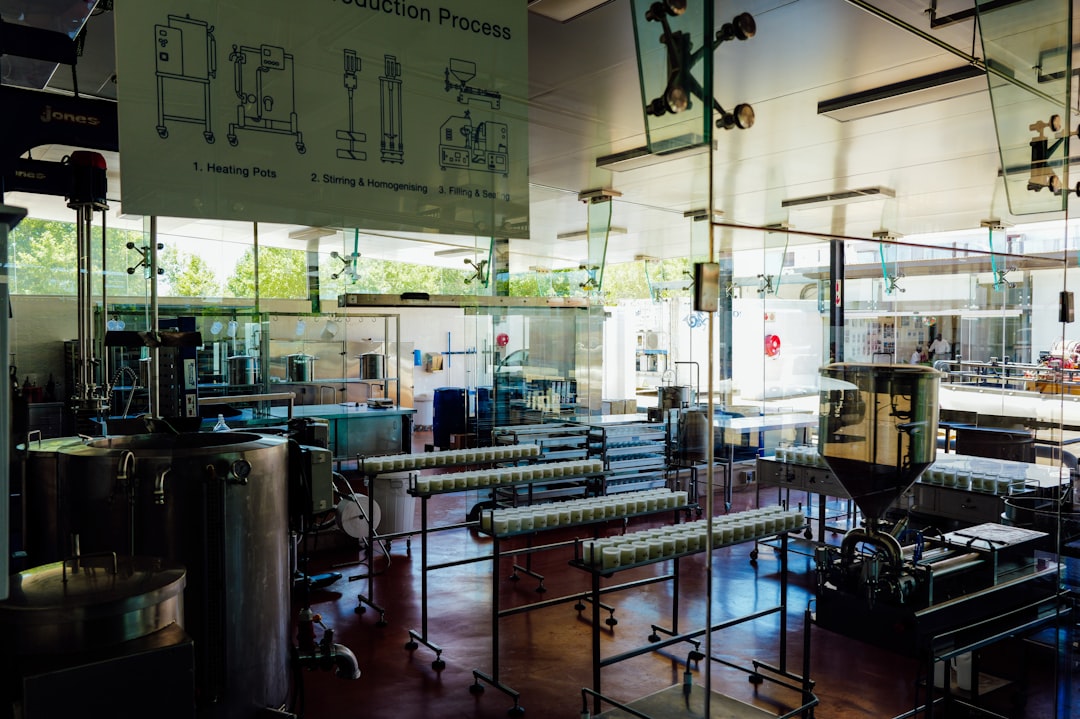
Food manufacturing covers the processes used to turn raw ingredients into finished food and drink products. This can include preparation, processing, cooking, baking, freezing, packing, quality testing, storage and distribution.
The sector includes large manufacturers as well as smaller specialist businesses producing products such as bakery goods, ready meals, drinks, meat products, dairy products and packaged foods.
Because food is consumed by the public, safety, hygiene, traceability and quality are important parts of everyday work. Food safety systems commonly use HACCP principles to identify and control risks in food production.
Food Industry Jobs You Can Consider
Food Production Operative
Food production operatives work on production lines and help prepare, process or pack food. Tasks can include checking ingredients, operating equipment, monitoring temperatures, carrying out quality checks and cleaning machinery.
The National Careers Service lists food factory worker as a role that can be entered through direct application or an apprenticeship. It currently gives a salary range of £21,000 to £28,000 and typical hours of 40 to 44 per week, with some shift work.
Food Technologist or Food Scientist
Food technologists and food scientists work on product development, testing, food safety and production processes. They may help create recipes, improve existing products, test samples and investigate quality problems.
The National Careers Service currently lists food scientist salaries at £24,000 to £45,000. University courses, apprenticeships and work-based routes can lead into this career.
Quality Control and Quality Assurance
Quality roles focus on making sure products meet required standards. Depending on the job, you could check ingredients, production records, samples, packaging, temperatures or finished products.
Attention to detail is especially important because a small error can affect product quality or food safety.
Food Safety and Technical Roles
Food safety and technical teams help businesses follow food safety procedures, manage risks, maintain records and deal with issues such as allergens, contamination and traceability.
Knowledge of hygiene, HACCP principles and food safety procedures can be useful for these roles. The Food Standards Agency provides HACCP-based guidance and resources for UK food businesses.
Production Supervisor or Manager
With experience, a production worker can move into a supervisory role. Supervisors may organise staff, monitor production targets, check safety procedures and help solve problems on the production floor.
Packaging and Process Roles
Food manufacturers need people who understand packaging, machinery and production processes. These jobs can suit candidates who enjoy practical work and problem-solving.
Product Development Roles
Product development teams work on new food ideas and improvements to existing products. These roles can involve ingredients, recipes, testing, consumer feedback, nutrition, cost and production requirements.
Supply Chain, Warehouse and Purchasing Jobs
Food manufacturers also need staff to manage ingredients, stock, purchasing, storage and deliveries. These roles connect manufacturing with suppliers, warehouses, retailers and customers.
Do You Need a Degree?
No. The food industry has entry points at different qualification levels.
For production roles, employers may accept applicants with GCSEs and relevant practical skills. Apprenticeships can also provide a route into food production while combining workplace training with study.
For food science and technology careers, a relevant higher education qualification can be useful. The National Careers Service says food scientists can enter through university, an apprenticeship or by working towards the role.
The right route depends on the type of job you want. Do not assume that a degree is necessary for every food industry career.
Apprenticeships and College Routes
Apprenticeships are worth considering if you want to gain experience while studying. The National Careers Service lists the Food and Drink Process Operator Level 2 Intermediate Apprenticeship as one route into food factory work. Food technologist and higher-level food industry apprenticeships can provide routes into more technical careers.
College courses can also help you build practical knowledge. Depending on your target role, useful subjects may include food science, biology, chemistry, nutrition, engineering, business or supply chain operations.
Useful Qualifications and Knowledge
The most useful qualification depends on the role. For entry-level production work, basic English and maths, workplace training and food industry skills can be enough to get started.
For technical positions, employers may look for qualifications related to food science, food technology, microbiology, chemistry or nutrition.
Food hygiene and food safety knowledge can also be valuable. Food businesses are expected to make sure food handlers receive appropriate supervision and training in food hygiene, while HACCP-based food safety systems are an important part of food manufacturing.
Skills Employers Look For
- Attention to detail: important for quality checks, measurements and records.
- Food safety awareness: you need to understand why hygiene and safe working practices matter.
- Teamwork: production environments often involve working closely with other departments and shifts.
- Reliability: manufacturing depends on people arriving on time and following procedures.
- Practical ability: useful for operating equipment and completing production tasks.
- Problem-solving: helpful when equipment, ingredients or product quality do not behave as expected.
- Communication: important when reporting issues and following instructions.
- Basic digital skills: many workplaces use computers, scanners and digital production records.
How to Gain Experience
You do not always need previous food manufacturing experience to get your first job. Look for entry-level production, packing, warehouse, bakery or food processing opportunities.
College placements, apprenticeships, temporary production work and volunteering can also give you examples to discuss with employers.
If you already work in another industry, think about transferable skills. For example, warehouse experience can support an application for food logistics, while laboratory experience may help with quality or food science roles.
How to Write a CV for Food Industry Jobs
Keep your CV clear and focused on the role. Start with a short profile explaining what type of work you want and what you can offer.
Highlight practical experience, shift work, machinery, quality checks, stock handling, hygiene training, teamwork and problem-solving where relevant.
If you have no food industry experience, focus on reliability, willingness to learn, attention to detail and any experience where you followed procedures or worked to targets.
How to Find Food Manufacturing Jobs in the UK
Search for different job titles rather than using only the phrase food manufacturing jobs. Useful searches include food production operative, food factory worker, food technologist, food quality technician, food safety assistant, production supervisor, packaging operative and food laboratory technician.
Use major UK job boards, employer career pages, apprenticeship services and the National Careers Service. Search by location as well as job title because food manufacturing sites are often located outside major city centres.
How to Prepare for an Interview
Before an interview, read the job description carefully and understand what the company produces.
Be ready to explain how you would follow hygiene and safety procedures, work as part of a team, deal with repetitive tasks and report a problem. For technical roles, revise the basic principles relevant to the job, such as quality testing, food safety, production processes or product development.
Use real examples from school, previous work, volunteering or personal projects. You do not need every example to come from a food factory.
What Is the Working Environment Like?
Working conditions vary widely. Food production jobs may involve factories, production lines, warehouses or chilled environments. Some roles involve standing for long periods, protective clothing, machinery and shift work.
The National Careers Service notes that food factory workers may work evenings, weekends and bank holidays. Food scientists may work in laboratories, research facilities or factories.
If you prefer office-based work, consider areas such as purchasing, sales, finance, HR, marketing or supply chain within a food company.
Career Progression in Food Manufacturing
A food industry career does not have to stay at entry level. A production operative may move into team leadership, quality control or supervision. Technical employees can progress into senior technologist, product development, technical management or specialist food safety roles.
Some people also move between manufacturing, retail, laboratories, suppliers and regulatory or quality functions as their experience grows.
Is Food Manufacturing Right for You?
This sector may suit you if you like practical work, clear processes, teamwork and seeing a product move from ingredients to a finished item.
It can also suit people interested in science, nutrition, product development, quality or business. The main thing is to choose a role that matches your interests rather than assuming every food job is factory-based.
A Simple Plan to Start Your Career
- Choose the type of food industry work that interests you.
- Check the qualifications and skills needed for those roles.
- Look for entry-level jobs, apprenticeships or relevant college courses.
- Build practical experience and food safety knowledge.
- Create a CV that highlights relevant skills and achievements.
- Apply regularly and adjust your CV for different job descriptions.
- Use interviews to show that you are reliable, careful and ready to follow safe working practices.
Final Thoughts
Food and food manufacturing offers far more career choices than many people realise. You can start on a production line, move into quality or supervision, or take a technical route through food science and product development.
The National Careers Service currently shows routes into food careers through direct applications, apprenticeships, university and work-based progression. Start with the role that fits your current skills, then build experience and qualifications as your career develops.


How to Start a Career in Sports and Leisure in the UK
A practical guide to sports and leisure careers in the UK, covering jobs, qualifications, apprenticeships, skills, experience, CVs and career...


How to Start a Career in Travel and Tourism in the UK
Travel and tourism is a broad career sector with opportunities in travel agencies, airports, airlines, visitor attractions, tours, hotels, heritage...


How to Start a Career in Property and Real Estate in the UK
Property and real estate is a broad career field covering residential property, commercial buildings, land, development, valuation, lettings, property management...


How to Start a Career in Hospitality in the UK
Thinking about hospitality as a career in the UK? Compare hotel, restaurant and guest service roles, entry routes, skills, apprenticeships...


How to Start a Career in Retail in the UK
Thinking about a retail career in the UK? Compare retail roles, entry routes, apprenticeships, skills, experience, CV tips and ways...


How to Start a Career in Science and Research in the UK
Planning a science or research career in the UK? Compare career paths, qualifications, apprenticeships, skills and practical ways to get...


How to Start a Career in Law in the UK
Thinking about a career in law? This guide explains UK legal career routes, qualifications, solicitor and barrister pathways, apprenticeships, skills,...


How to Start a Career in Education in the UK
Thinking about a career in education? Compare teaching and non-teaching roles, qualifications, apprenticeships, experience, skills and practical steps for getting...


How to Start a Career in Marketing in the UK
Marketing is a broad career field that combines communication, creativity, research, data and business thinking. It includes traditional marketing as...


How to Start a Career in Healthcare in the UK
Healthcare is one of the UK’s broadest career areas. It includes doctors and nurses, but also healthcare assistants, laboratory staff,...


How to Start a Career in Human Resources (HR) in the UK
Photo by Vitaly Gariev on Unsplash Human resources, usually called HR, is a people-focused career that combines communication, organisation, business...


How to Start a Career in Construction in the UK
Construction is one of the UK’s broadest career sectors. It includes hands-on trades such as bricklaying, carpentry and plumbing, as...


How to Start a Career in Energy and Utilities in the UK
Planning a career in energy and utilities in the UK? See job options, apprenticeships, qualifications, skills and practical steps to...


How to Start a Career in Media and Communications in the UK
Planning a media and communications career in the UK? Compare job options, entry routes, apprenticeships, skills, experience and practical steps...


How to Start a Career in Environmental and Sustainability Jobs in the UK
Environmental and sustainability careers are becoming an important part of many UK workplaces. Jobs in this area can involve protecting...


How to Start a Career in Cybersecurity in the UK
Thinking about a cybersecurity career in the UK? Here is a practical guide to skills, qualifications, entry-level roles, applications and...


How to Start a Career in Engineering in the UK
Thinking about engineering as a career in the UK? Here is a practical guide to engineering fields, qualifications, apprenticeships, skills,...


How to Start a Career in Government and Public Services in the UK
Thinking about a career in government or public services? This guide covers job options, entry routes, apprenticeships, skills, applications and...


Rolls-Royce Internship UK: Eligibility, Opportunities & How to Apply
Find Rolls-Royce internships in the UK with practical guidance on eligibility, opportunities, applications, assessments, skills and preparation.


How to Start a Career in Transport and Logistics in the UK
Planning a career in transport and logistics in the UK? See entry-level roles, apprenticeships, qualifications, skills and practical steps to...
-
 Career3 years ago
Flexible Jobs for Older Adults in the UK: 7 Career Options
-
 How-to8 months ago
How to Use Google Gemini for Freelance Work and Career Skills
-
 Jobs8 months ago
Second Jobs in the UK: 15 Practical Ways to Earn Extra Income
-

 Career2 years ago
Free Job Posting Sites in the UK: Options for Employers
-
 How-to8 months ago
How to Build Passive Income: 20 Income-Producing Assets for Long-Term Financial Growth
-

 AI & Tools8 months ago
How to Use Google Gemini for Productivity at Work
-

 Job Description3 years ago
Support Worker Job Description: Duties, Skills, Salary and Career Guide UK
-

 AI & Tools8 months ago
ChatGPT vs Microsoft Copilot: Which AI Is Best for You?