
Career
How to Start a Career in UX and UI Design in the UK

How to Start a Career in UX and UI Design in the UK
UX and UI design are important parts of the digital industry. Websites, mobile apps and online services all need to be easy to use, clear and accessible. This has created career opportunities for people who enjoy problem-solving, research, visual design and working with technology.
You do not always need a traditional design degree to start. University, college, apprenticeships, short courses, portfolio projects and direct applications can all play a role. The most important step is to build practical skills and show what you can do.
What Is a UX and UI Career?
UX means user experience. UX work focuses on how people use a digital product or service and whether they can complete tasks easily. It can involve user research, customer journeys, information architecture, wireframes, prototypes, usability testing and accessibility.
UI means user interface. UI work focuses more on the visual and interactive parts of a digital product, including layouts, typography, colours, buttons, components and responsive screens.
The two areas overlap. Many employers look for designers who understand both the user’s needs and the visual interface.
UX vs UI: What Is the Difference?
| Area | Main focus | Typical work |
|---|---|---|
| UX design | How a product works for users | Research, user journeys, wireframes, prototypes and testing |
| UI design | How the interface looks and behaves | Layouts, typography, colour, components and responsive screens |
| Product design | End-to-end product experience | UX, UI, research, product goals and collaboration |
| UX research | Understanding users | Interviews, usability studies, analysis and research findings |
Common UX and UI Jobs in the UK
UX Designer
A UX designer studies user needs and turns them into practical digital experiences. The work can include research, user flows, wireframes, prototypes, testing and accessibility.
UI Designer
A UI designer creates the visual interface of websites, apps and other digital products. The role can include layouts, typography, visual hierarchy, components and responsive design.
UX Researcher
A UX researcher focuses on understanding users and testing ideas. Research can include interviews, surveys, usability testing and analysis of findings.
Product Designer
Product designers often work across UX and UI while also considering business goals, product requirements and the wider customer experience.
Interaction Designer
Interaction designers focus on how users interact with digital products, including navigation, controls, transitions and feedback.
Accessibility-Focused Roles
Accessibility is an important part of modern digital design. Some designers specialise in accessible experiences, while others include accessibility throughout their normal design work.
What Does a UX or UI Designer Do?
The exact routine depends on the employer and role, but a typical project may include:
- Understanding the business problem and user needs.
- Reviewing existing products, analytics or research.
- Creating user journeys and information structures.
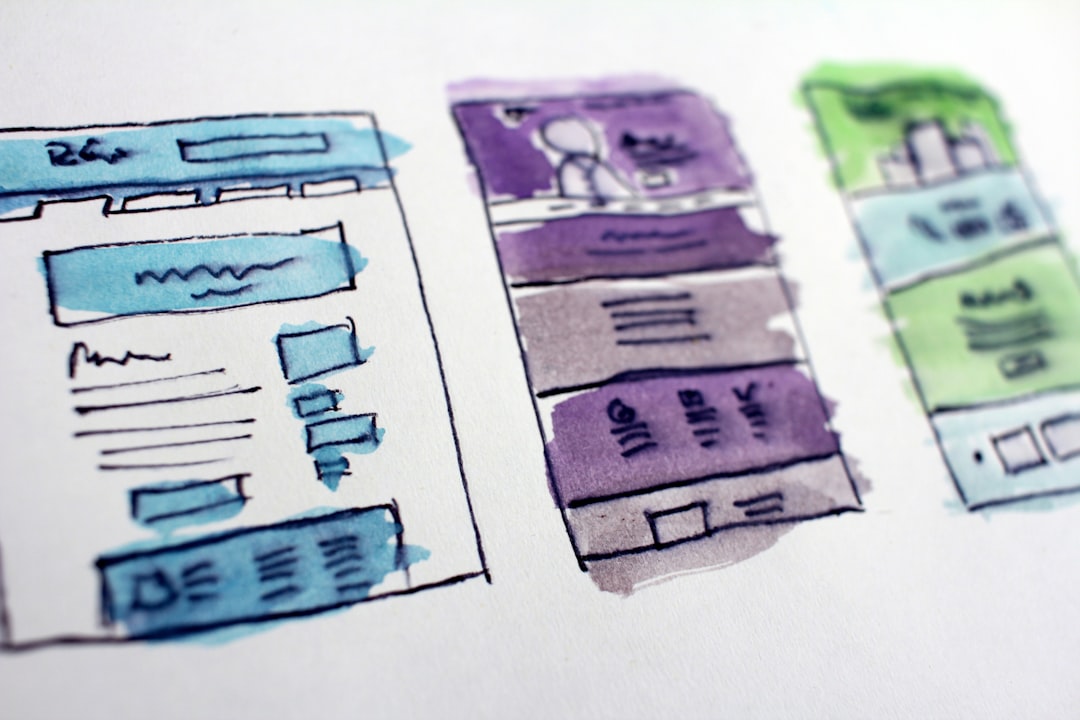
- Sketching ideas and producing wireframes.
- Building interactive prototypes.
- Creating or updating visual interface designs.
- Testing designs with users or colleagues.
- Improving designs based on feedback.
- Working with developers, product managers and other teams.
- Checking accessibility and responsive behaviour.
Skills You Need for UX and UI Careers
UX Skills
- User research and interview techniques
- Wireframing and prototyping
- User journeys and information architecture
- Usability testing
- Problem-solving and analysis
- Accessibility awareness
- Clear communication
UI Skills
- Layout and visual hierarchy
- Typography and colour
- Responsive design
- Design systems and reusable components
- Interaction and visual consistency
- Accessibility-conscious design
Useful Technical Knowledge
You do not need to become a software developer to work in UX or UI. However, a basic understanding of HTML and CSS can help you communicate with developers and understand technical limitations. Some roles may also benefit from basic JavaScript knowledge.
Common Design Tools
Employers use different tools, but designers commonly work with interface design, prototyping and collaboration software. Figma is widely used, while other workplaces may use Adobe products or different design platforms. Focus on understanding design principles rather than trying to collect certificates for every tool.
Do You Need a Degree?
No single qualification is required for every UX or UI job. The National Careers Service lists university, college, apprenticeships and direct applications among the routes into UX design.
Relevant subjects can include UX design, product design, graphic design, human-computer interaction, digital media and web design. College and higher-level digital courses can also provide useful foundations.
The UK also has apprenticeship routes. The Digital User Experience Professional Level 6 Degree Apprenticeship is an option for people who want to combine employment with structured study. Other digital design and accessibility apprenticeships can also be relevant.
How to Start Without a Degree
If university is not the right route for you, you can build your skills through practical work:
- Study the basics of UX and UI design.
- Practise wireframes and prototypes.
- Build several realistic portfolio projects.
- Test your designs with real people when possible.
- Ask for feedback and improve your work.
- Take on small projects for charities, community groups or small businesses.
- Apply for junior, trainee, internship and apprenticeship opportunities.
Your portfolio gives employers evidence of your thinking, not just the final visual result.
Build a Strong UX/UI Portfolio
A good portfolio should show how you approach a problem. For each case study, explain:
- What problem you were trying to solve
- Who the users were
- What research or assumptions you started with
- How you organised the information
- Early sketches and wireframes
- Prototype and testing approach
- Important design decisions
- Accessibility considerations
- What changed after feedback
- What you would improve next time
Three or four detailed projects can be more useful than a large collection of unfinished screens.
How to Get Your First Experience
Real experience does not have to begin with a full-time UX job. You can create projects for a student group, charity, local business or community organisation. You can also redesign an existing interface as a practice project, provided you clearly label it as a concept rather than work completed for the original company.
Internships, apprenticeships, graduate schemes and junior roles are other possible entry points. Keep records of your process so you can turn completed projects into portfolio case studies.
How to Write a UX/UI CV
Keep your CV focused on practical evidence. Include relevant design skills, tools, education or training, portfolio projects and work experience that demonstrates communication or problem-solving.
Instead of only writing that you used a design tool, explain what you produced. For example, you might mention a prototype, user testing project, design system or accessibility improvement.
Always include a clear portfolio link if you have one.
How to Prepare for a UX/UI Interview
Many interviews include a portfolio discussion or design exercise. Be prepared to explain why you made particular choices.
Interviewers may ask about user research, handling feedback, accessibility, working with developers, prioritising requirements and dealing with conflicting opinions. Explain your process clearly and be honest about what you would change if you had more time or information.
UX and UI Salaries in the UK
Salary varies by role, employer, experience and location. The National Careers Service currently lists UX designer salaries at around £32,000 for starters and up to £65,000 for experienced workers. Its user researcher profile lists around £34,000 to £68,000.
These figures are useful guides rather than guaranteed salaries. UI designer, product designer and specialist roles can have different pay ranges.
Career Progression
A common path is junior designer, designer, senior designer and then lead or management roles. With experience, you may also move into product design, service design, UX research, accessibility, design systems or design management.
Some experienced designers work as freelancers or consultants. Others move towards product management or business analysis, depending on their interests and experience.
Is UX and UI Design Right for You?
UX and UI can suit people who enjoy solving problems, working with people, improving ideas and paying attention to detail. It is not only about making attractive screens. Good digital design requires research, testing, communication, accessibility and a willingness to change an idea when evidence shows that it is not working.
Final Thoughts
Starting a UX and UI career in the UK is possible through several routes. A degree can help, but it is not the only path. Apprenticeships, college courses, practical projects and direct applications can also build a route into the industry.
Focus on strong fundamentals, create a small portfolio of thoughtful case studies and practise explaining your decisions. As your experience grows, you can specialise or move into broader product and digital design roles.


How to Start a Career in Sports and Leisure in the UK
A practical guide to sports and leisure careers in the UK, covering jobs, qualifications, apprenticeships, skills, experience, CVs and career...


How to Start a Career in Travel and Tourism in the UK
Travel and tourism is a broad career sector with opportunities in travel agencies, airports, airlines, visitor attractions, tours, hotels, heritage...


How to Start a Career in Property and Real Estate in the UK
Property and real estate is a broad career field covering residential property, commercial buildings, land, development, valuation, lettings, property management...


How to Start a Career in Hospitality in the UK
Thinking about hospitality as a career in the UK? Compare hotel, restaurant and guest service roles, entry routes, skills, apprenticeships...


How to Start a Career in Retail in the UK
Thinking about a retail career in the UK? Compare retail roles, entry routes, apprenticeships, skills, experience, CV tips and ways...


How to Start a Career in Science and Research in the UK
Planning a science or research career in the UK? Compare career paths, qualifications, apprenticeships, skills and practical ways to get...


How to Start a Career in Law in the UK
Thinking about a career in law? This guide explains UK legal career routes, qualifications, solicitor and barrister pathways, apprenticeships, skills,...


How to Start a Career in Education in the UK
Thinking about a career in education? Compare teaching and non-teaching roles, qualifications, apprenticeships, experience, skills and practical steps for getting...


How to Start a Career in Marketing in the UK
Marketing is a broad career field that combines communication, creativity, research, data and business thinking. It includes traditional marketing as...


How to Start a Career in Healthcare in the UK
Healthcare is one of the UK’s broadest career areas. It includes doctors and nurses, but also healthcare assistants, laboratory staff,...


How to Start a Career in Human Resources (HR) in the UK
Photo by Vitaly Gariev on Unsplash Human resources, usually called HR, is a people-focused career that combines communication, organisation, business...


How to Start a Career in Construction in the UK
Construction is one of the UK’s broadest career sectors. It includes hands-on trades such as bricklaying, carpentry and plumbing, as...


How to Start a Career in Energy and Utilities in the UK
Planning a career in energy and utilities in the UK? See job options, apprenticeships, qualifications, skills and practical steps to...


How to Start a Career in Media and Communications in the UK
Planning a media and communications career in the UK? Compare job options, entry routes, apprenticeships, skills, experience and practical steps...


How to Start a Career in Environmental and Sustainability Jobs in the UK
Environmental and sustainability careers are becoming an important part of many UK workplaces. Jobs in this area can involve protecting...


How to Start a Career in Cybersecurity in the UK
Thinking about a cybersecurity career in the UK? Here is a practical guide to skills, qualifications, entry-level roles, applications and...


How to Start a Career in Engineering in the UK
Thinking about engineering as a career in the UK? Here is a practical guide to engineering fields, qualifications, apprenticeships, skills,...


How to Start a Career in Government and Public Services in the UK
Thinking about a career in government or public services? This guide covers job options, entry routes, apprenticeships, skills, applications and...


Rolls-Royce Internship UK: Eligibility, Opportunities & How to Apply
Find Rolls-Royce internships in the UK with practical guidance on eligibility, opportunities, applications, assessments, skills and preparation.


How to Start a Career in Transport and Logistics in the UK
Planning a career in transport and logistics in the UK? See entry-level roles, apprenticeships, qualifications, skills and practical steps to...
-
 Career3 years ago
Flexible Jobs for Older Adults in the UK: 7 Career Options
-
 How-to8 months ago
How to Use Google Gemini for Freelance Work and Career Skills
-
 Jobs8 months ago
Second Jobs in the UK: 15 Practical Ways to Earn Extra Income
-
 Career2 years ago
Free Job Posting Sites in the UK: Options for Employers
-
 How-to8 months ago
How to Build Passive Income: 20 Income-Producing Assets for Long-Term Financial Growth
-

 AI & Tools8 months ago
How to Use Google Gemini for Productivity at Work
-

 Job Description3 years ago
Support Worker Job Description: Duties, Skills, Salary and Career Guide UK
-

 AI & Tools8 months ago
ChatGPT vs Microsoft Copilot: Which AI Is Best for You?