
How-to
How to Write a Good Job Description: Step-by-Step Guide for Employers
A practical guide for employers on writing a clear job description, including responsibilities, skills, person specifications and common mistakes to avoid.

A good job description gives candidates a clear picture of the role and helps employers attract people with the right skills. A weak description can create confusion, discourage suitable applicants or lead to mismatched expectations after someone is hired.
This guide explains how to write a clear, practical job description that focuses on the real work, essential requirements and working arrangements. Candidates can also read our guide on what a job description is and what to look for.
What Is a Job Description?
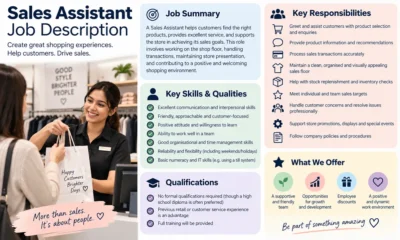
A job description explains the purpose of a role, its main responsibilities and the skills, experience or qualifications needed to perform it. It should describe the work clearly without filling the page with vague buzzwords.
Why a Good Job Description Matters
- It helps suitable candidates understand the role.
- It gives hiring managers a clearer basis for screening applications.
- It reduces confusion about priorities and responsibilities.
- It supports more consistent recruitment and onboarding.
Step 1: Start With a Clear Job Title
Use a title that candidates are likely to recognise. Avoid internal jargon unless it is explained. If a role has several common titles, choose the clearest primary title and mention relevant variations naturally in the description.
Keep the title accurate
The title should reflect the level and type of work. Calling an entry-level role “manager” may attract the wrong applicants and create unrealistic expectations.
Step 2: Write a Short Role Summary
Explain why the role exists and how it contributes to the organisation. Keep this section concise and practical.
Example structure
“The [Job Title] will support [team or business purpose] by [main contribution]. The role involves [two or three core areas of work].”
Step 3: List the Main Responsibilities
Focus on the work the person will actually do. Start each point with a clear action where possible. Keep the responsibilities aligned with the main purpose of the job description and avoid adding duties that are unlikely to be part of the role.
- Manage customer enquiries and follow up agreed actions.
- Prepare accurate reports and maintain relevant records.
- Work with colleagues to deliver agreed projects or services.
- Identify routine problems and escalate issues when necessary.
Separate essential duties from occasional tasks
The most important responsibilities should appear first. Do not overload the description with every possible task the employee may ever perform.
Step 4: Define Essential and Desirable Requirements
Separate what the candidate genuinely needs from what would simply be helpful. This makes the advert easier to understand and can widen the pool of suitable applicants.
Essential requirements
These are skills, qualifications, experience or legal requirements needed to perform the role safely and effectively.
Desirable requirements
These are useful but not essential. Label them clearly so candidates do not assume they are automatically unsuitable.
Step 5: Include the Skills That Matter
Avoid long lists of generic qualities. Connect each skill to the work. For example, instead of simply writing “excellent communication skills”, explain whether the role involves presenting information, dealing with customers or working with senior stakeholders. Keep only requirements that are genuinely relevant to the role; current UK government guidance also recommends reviewing long lists of must-have criteria and using behaviour-based requirements.
Step 6: Explain Working Arrangements
Where possible, state the location, working pattern, contract type, reporting line and whether travel, evenings or weekends are expected. Clear information helps candidates decide whether the opportunity is practical for them. For wider recruitment planning, see our recruitment strategy guide.
Step 7: Add Salary and Benefits Information Where Appropriate
Salary information can help candidates assess whether the role fits their expectations. If a fixed figure cannot be given, explain the basis of the range where possible and avoid misleading claims. Check the current requirements that apply to your organisation and vacancy. Clear role information also helps candidates prepare for job interviews.
Step 8: Use Clear and Inclusive Language
Write in plain English and remove unnecessary jargon. Focus on what the person needs to do rather than using fashionable phrases that add little meaning. Inclusive wording and accessible formats can also help reduce unnecessary barriers in recruitment.
Common Job Description Mistakes to Avoid
Copying an old description without reviewing it
Roles change. Check that the responsibilities and requirements still reflect the actual job.
Creating an unrealistic wish list
Too many “essential” requirements can discourage capable applicants. Keep only the criteria that genuinely matter.
Using vague responsibilities
Phrases such as “support the team as required” should not replace a clear explanation of the main work.
Forgetting the candidate’s point of view
A job description should help someone understand the role before applying, not simply record an internal list of management expectations. Employers should also avoid discriminatory wording and unnecessary criteria in job adverts and recruitment materials.
Job Description vs Person Specification
A job description explains the role and responsibilities. A person specification focuses on the qualities, skills, experience and qualifications the employer wants in the candidate. Keeping the two ideas separate makes recruitment information easier to understand.
Final Checklist Before Publishing
- Is the job title clear and accurate?
- Does the summary explain the purpose of the role?
- Are the main responsibilities specific and realistic?
- Have essential and desirable requirements been separated?
- Are working arrangements clearly explained?
- Is the language easy to understand?
- Have unnecessary or outdated requirements been removed?
- Have the essential criteria been separated clearly from desirable criteria?
- Have accessibility, reasonable adjustments and inclusive wording been considered?
Frequently Asked Questions
How long should a job description be?
It should be long enough to explain the role clearly but concise enough for candidates to scan. Prioritise useful information over filler.
Should every job have a person specification?
Not necessarily as a separate document, but employers should clearly communicate the skills and requirements needed for the role.
Can I use a template?
Yes, provided you review and adapt it to the actual responsibilities and working environment.
Final Thoughts
A strong job description is clear, accurate and useful to both employers and candidates. Start with the real purpose of the role, explain the main responsibilities and be honest about the skills and working arrangements required. Once the advert is ready, use your requirements to support a focused CV and application process. For recruitment planning beyond the advert itself, see our guide on how to improve your recruitment strategy.







How to Start a Career in Sports and Leisure in the UK
A practical guide to sports and leisure careers in the UK, covering jobs, qualifications, apprenticeships, skills, experience, CVs and career...


How to Start a Career in Travel and Tourism in the UK
Travel and tourism is a broad career sector with opportunities in travel agencies, airports, airlines, visitor attractions, tours, hotels, heritage...


How to Start a Career in Property and Real Estate in the UK
Property and real estate is a broad career field covering residential property, commercial buildings, land, development, valuation, lettings, property management...


How to Start a Career in Hospitality in the UK
Thinking about hospitality as a career in the UK? Compare hotel, restaurant and guest service roles, entry routes, skills, apprenticeships...


How to Start a Career in Retail in the UK
Thinking about a retail career in the UK? Compare retail roles, entry routes, apprenticeships, skills, experience, CV tips and ways...


How to Start a Career in Science and Research in the UK
Planning a science or research career in the UK? Compare career paths, qualifications, apprenticeships, skills and practical ways to get...


How to Start a Career in Law in the UK
Thinking about a career in law? This guide explains UK legal career routes, qualifications, solicitor and barrister pathways, apprenticeships, skills,...


How to Start a Career in Education in the UK
Thinking about a career in education? Compare teaching and non-teaching roles, qualifications, apprenticeships, experience, skills and practical steps for getting...


How to Start a Career in Marketing in the UK
Marketing is a broad career field that combines communication, creativity, research, data and business thinking. It includes traditional marketing as...


How to Start a Career in Healthcare in the UK
Healthcare is one of the UK’s broadest career areas. It includes doctors and nurses, but also healthcare assistants, laboratory staff,...


How to Start a Career in Human Resources (HR) in the UK
Photo by Vitaly Gariev on Unsplash Human resources, usually called HR, is a people-focused career that combines communication, organisation, business...


How to Start a Career in Construction in the UK
Construction is one of the UK’s broadest career sectors. It includes hands-on trades such as bricklaying, carpentry and plumbing, as...


How to Start a Career in Energy and Utilities in the UK
Planning a career in energy and utilities in the UK? See job options, apprenticeships, qualifications, skills and practical steps to...


How to Start a Career in Media and Communications in the UK
Planning a media and communications career in the UK? Compare job options, entry routes, apprenticeships, skills, experience and practical steps...


How to Start a Career in Environmental and Sustainability Jobs in the UK
Environmental and sustainability careers are becoming an important part of many UK workplaces. Jobs in this area can involve protecting...


How to Start a Career in Cybersecurity in the UK
Thinking about a cybersecurity career in the UK? Here is a practical guide to skills, qualifications, entry-level roles, applications and...


How to Start a Career in Engineering in the UK
Thinking about engineering as a career in the UK? Here is a practical guide to engineering fields, qualifications, apprenticeships, skills,...


How to Start a Career in Government and Public Services in the UK
Thinking about a career in government or public services? This guide covers job options, entry routes, apprenticeships, skills, applications and...


Rolls-Royce Internship UK: Eligibility, Opportunities & How to Apply
Find Rolls-Royce internships in the UK with practical guidance on eligibility, opportunities, applications, assessments, skills and preparation.


How to Start a Career in Transport and Logistics in the UK
Planning a career in transport and logistics in the UK? See entry-level roles, apprenticeships, qualifications, skills and practical steps to...
-
 Career3 years ago
Flexible Jobs for Older Adults in the UK: 7 Career Options
-
 How-to8 months ago
How to Use Google Gemini for Freelance Work and Career Skills
-
 Jobs8 months ago
Second Jobs in the UK: 15 Practical Ways to Earn Extra Income
-

 Career2 years ago
Free Job Posting Sites in the UK: Options for Employers
-
 How-to8 months ago
How to Build Passive Income: 20 Income-Producing Assets for Long-Term Financial Growth
-

 AI & Tools8 months ago
How to Use Google Gemini for Productivity at Work
-

 Job Description3 years ago
Support Worker Job Description: Duties, Skills, Salary and Career Guide UK
-

 AI & Tools8 months ago
ChatGPT vs Microsoft Copilot: Which AI Is Best for You?