
Motivation
Can Stress Affect Your Goals? 10 Practical Ways to Manage Pressure
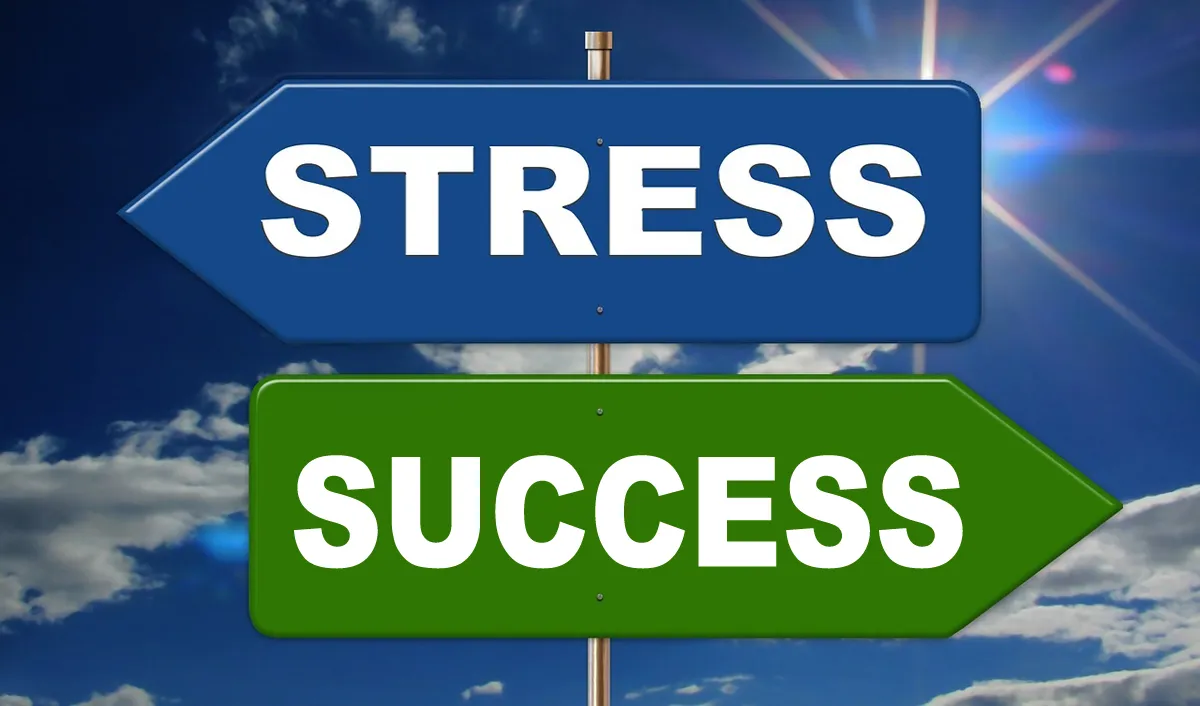
Stress can affect concentration, sleep, decision-making and the energy available for important goals. Some pressure may accompany demanding work or major life changes, but constant or overwhelming stress can make everyday responsibilities harder to manage.
You cannot remove every source of stress. However, you can often review your workload, routines, boundaries and support to identify practical changes that may help.
1. Identify What Is Causing the Pressure
Start by looking for specific patterns. Stress may be connected to workload, finances, uncertainty, relationships, health concerns or several factors at the same time.
Write down what is creating pressure and separate what you can influence from what you cannot control directly.
2. Focus on One Manageable Problem at a Time
When several problems occur together, trying to solve everything immediately can increase the sense of pressure. Choose one practical issue and identify the next step.
A small action will not solve every problem, but it can help create clarity and reduce unnecessary overwhelm.
3. Protect Your Time and Review Your Workload
An overloaded schedule can make even routine tasks feel difficult. Review your commitments and identify what is urgent, important or possible to delay.
Where appropriate, ask for clarification about priorities rather than assuming every task must receive the same level of attention immediately.
4. Maintain a Regular Sleep Routine
Sleep can affect how you feel and function during the day. Try to maintain a routine that gives you sufficient opportunity to rest and avoid treating reduced sleep as a long-term solution for managing a busy schedule.
If ongoing sleep problems are affecting daily life, consider discussing them with a qualified healthcare professional.
5. Include Physical Activity in Your Routine
Regular movement can be a useful part of a healthy routine. Choose an activity that suits your circumstances and physical ability, whether that is walking, cycling, exercise classes or another form of movement.
You do not need an extreme routine. Consistency and suitability are usually more important than intensity.
6. Communicate When Expectations Are Unclear
Uncertainty can increase pressure. At work, ask questions about priorities, deadlines and responsibilities when expectations are unclear.
Clear communication can also help in personal relationships, particularly when assumptions are creating unnecessary conflict.
7. Take Short Breaks From Constant Demands
Continuous work or constant online availability can make it difficult to recover attention. Short breaks, reasonable boundaries around messages and time away from demanding tasks may help you return with more focus.
Choose activities that genuinely help you step away, such as walking, reading, spending time with people you value or another activity you find restorative.
8. Build a Support Network
Support does not need to mean solving every problem for you. Talking to a trusted friend, family member, colleague or appropriate professional can provide perspective and practical help.
If you are dealing with a situation that feels too difficult to manage alone, asking for support can be an important practical step.
9. Avoid Making Every Setback a Personal Judgement
Stress can make it easy to interpret one problem as evidence that everything is going wrong. Try to describe the specific situation rather than turning it into a judgement about your overall ability or future.
Ask what happened, what is within your influence and what the next reasonable action might be.
10. Review Goals and Expectations When Circumstances Change
A goal that was realistic previously may become difficult when responsibilities or circumstances change. Adjusting a plan can be sensible and does not automatically mean you have failed.
Review deadlines, workload and priorities regularly, especially during periods of significant change.
How Stress Can Affect Your Goals
Stress does not always stop progress completely, but ongoing pressure can make it harder to concentrate, plan, remember details and maintain routines.
Rather than expecting yourself to perform exactly as usual during a difficult period, consider whether your plan needs more time, fewer commitments or additional support.
A Simple Way to Review a Stressful Situation
- Describe the specific problem.
- Identify what is within your influence.
- Choose one practical next action.
- Decide whether you need information, time or support.
- Review the situation after taking action.
This approach can help turn a vague sense of pressure into a clearer problem-solving process.
Stress During a Job Search
Job searching can be stressful because the outcome is not completely within your control. Applications may take time, employers may not respond and interviews can involve uncertainty.
- Set aside specific time for applications rather than searching constantly.
- Keep track of applications and follow-up dates.
- Take breaks from job searching when you are no longer working effectively.
- Focus on improving one part of the process at a time.
- Seek feedback on your CV or interview approach when useful.
For related guidance, read Job Interview Preparation: Complete Guide and How to Stay Employable: 12 Long-Term Career Strategies.
Common Mistakes When Trying to Manage Stress
- Trying to solve every problem at once.
- Ignoring sleep and recovery for long periods.
- Assuming that stress is always caused by poor time management.
- Blaming yourself for factors outside your control.
- Waiting until pressure becomes overwhelming before asking for support.
- Expecting one technique to work for every situation.
When to Seek Additional Support
General stress-management tips are not a replacement for professional support. If stress feels overwhelming, continues for a long time or is seriously affecting your ability to function, consider speaking with an appropriate qualified healthcare or mental-health professional.
If you are in immediate danger or thinking about harming yourself, contact local emergency services or an appropriate crisis service immediately.
Frequently Asked Questions
Can stress stop you from achieving your goals?
Ongoing stress can make concentration, planning and consistent action more difficult. However, stress is only one factor, and practical changes or additional support may help depending on the cause.
Is all stress bad?
Not necessarily. Challenging situations can sometimes feel stressful without being harmful. The more important question is whether the level of pressure is manageable and whether you have adequate opportunities to recover.
What is the first thing to do when stress feels overwhelming?
Focus on the immediate situation and reduce it to one manageable next step. If you cannot manage safely or the situation is seriously affecting daily life, seek appropriate support.
How can I reduce job-search stress?
Create a realistic routine, track applications, focus on improving specific parts of the process and take reasonable breaks rather than searching constantly.
Final Thoughts
Stress is not a personal failure, and there is no single method that works for everyone. The most useful starting point is to identify what is creating pressure, focus on what you can influence and seek support when you need it.
Small adjustments to workload, routines, communication and priorities can sometimes make a meaningful difference. During more serious or persistent difficulties, professional support may be the most appropriate next step.
For related guidance, read How to Build Self-Confidence: Practical Steps for Work and Life, 10 Habits That Can Help You Make Steady Progress in Life and Work and Why Successful People Sometimes Fail: 10 Common Reasons.


How to Start a Career in Sports and Leisure in the UK
A practical guide to sports and leisure careers in the UK, covering jobs, qualifications, apprenticeships, skills, experience, CVs and career...


How to Start a Career in Travel and Tourism in the UK
Travel and tourism is a broad career sector with opportunities in travel agencies, airports, airlines, visitor attractions, tours, hotels, heritage...


How to Start a Career in Property and Real Estate in the UK
Property and real estate is a broad career field covering residential property, commercial buildings, land, development, valuation, lettings, property management...


How to Start a Career in Hospitality in the UK
Thinking about hospitality as a career in the UK? Compare hotel, restaurant and guest service roles, entry routes, skills, apprenticeships...


How to Start a Career in Retail in the UK
Thinking about a retail career in the UK? Compare retail roles, entry routes, apprenticeships, skills, experience, CV tips and ways...


How to Start a Career in Science and Research in the UK
Planning a science or research career in the UK? Compare career paths, qualifications, apprenticeships, skills and practical ways to get...


How to Start a Career in Law in the UK
Thinking about a career in law? This guide explains UK legal career routes, qualifications, solicitor and barrister pathways, apprenticeships, skills,...


How to Start a Career in Education in the UK
Thinking about a career in education? Compare teaching and non-teaching roles, qualifications, apprenticeships, experience, skills and practical steps for getting...


How to Start a Career in Marketing in the UK
Marketing is a broad career field that combines communication, creativity, research, data and business thinking. It includes traditional marketing as...


How to Start a Career in Healthcare in the UK
Healthcare is one of the UK’s broadest career areas. It includes doctors and nurses, but also healthcare assistants, laboratory staff,...


How to Start a Career in Human Resources (HR) in the UK
Photo by Vitaly Gariev on Unsplash Human resources, usually called HR, is a people-focused career that combines communication, organisation, business...


How to Start a Career in Construction in the UK
Construction is one of the UK’s broadest career sectors. It includes hands-on trades such as bricklaying, carpentry and plumbing, as...


How to Start a Career in Energy and Utilities in the UK
Planning a career in energy and utilities in the UK? See job options, apprenticeships, qualifications, skills and practical steps to...


How to Start a Career in Media and Communications in the UK
Planning a media and communications career in the UK? Compare job options, entry routes, apprenticeships, skills, experience and practical steps...


How to Start a Career in Environmental and Sustainability Jobs in the UK
Environmental and sustainability careers are becoming an important part of many UK workplaces. Jobs in this area can involve protecting...


How to Start a Career in Cybersecurity in the UK
Thinking about a cybersecurity career in the UK? Here is a practical guide to skills, qualifications, entry-level roles, applications and...


How to Start a Career in Engineering in the UK
Thinking about engineering as a career in the UK? Here is a practical guide to engineering fields, qualifications, apprenticeships, skills,...


How to Start a Career in Government and Public Services in the UK
Thinking about a career in government or public services? This guide covers job options, entry routes, apprenticeships, skills, applications and...


Rolls-Royce Internship UK: Eligibility, Opportunities & How to Apply
Find Rolls-Royce internships in the UK with practical guidance on eligibility, opportunities, applications, assessments, skills and preparation.


How to Start a Career in Transport and Logistics in the UK
Planning a career in transport and logistics in the UK? See entry-level roles, apprenticeships, qualifications, skills and practical steps to...
-
 Career3 years ago
Flexible Jobs for Older Adults in the UK: 7 Career Options
-
 How-to8 months ago
How to Use Google Gemini for Freelance Work and Career Skills
-
 Jobs8 months ago
Second Jobs in the UK: 15 Practical Ways to Earn Extra Income
-

 Career2 years ago
Free Job Posting Sites in the UK: Options for Employers
-
 How-to8 months ago
How to Build Passive Income: 20 Income-Producing Assets for Long-Term Financial Growth
-

 AI & Tools8 months ago
How to Use Google Gemini for Productivity at Work
-

 Job Description3 years ago
Support Worker Job Description: Duties, Skills, Salary and Career Guide UK
-

 AI & Tools8 months ago
ChatGPT vs Microsoft Copilot: Which AI Is Best for You?