
Interview Guide
What Not to Do in a Job Interview: 12 Mistakes to Avoid
Avoid these 12 common job interview behaviours that can hurt your chances, with practical advice on how to stay professional and make a better impression.
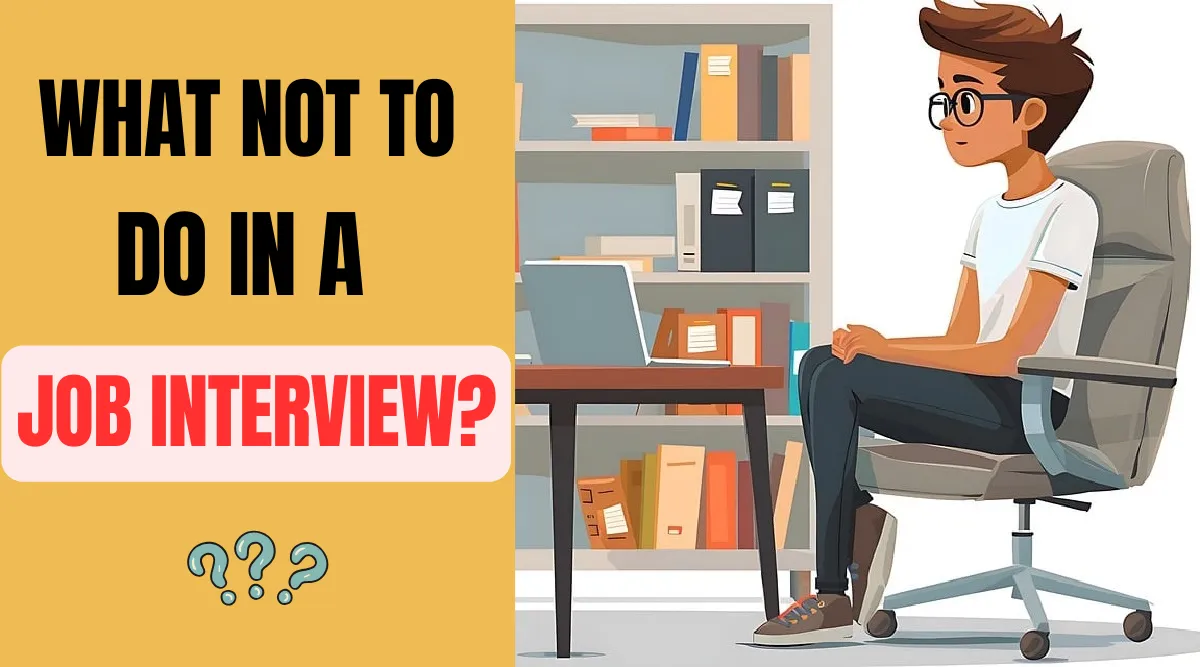
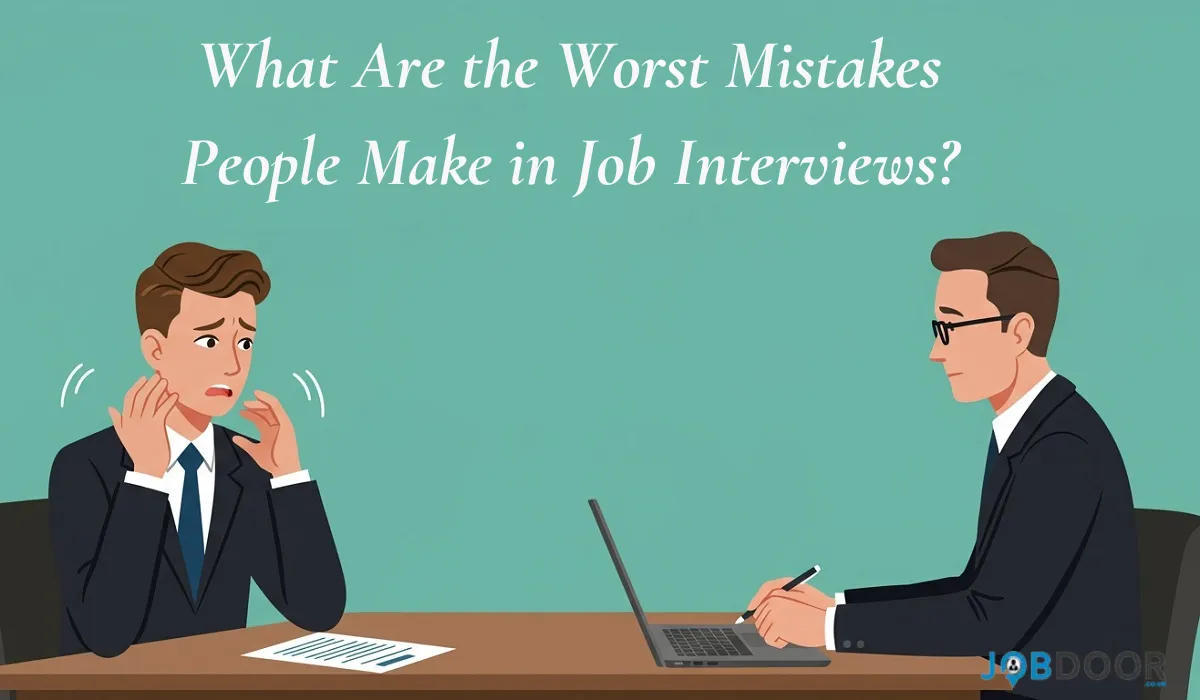
A job interview is a professional conversation, but small behaviour mistakes can distract from your skills and experience. The aim is not to behave like a perfectly rehearsed candidate. It is to communicate clearly, listen carefully and give the interviewer enough information to understand your suitability for the role.
This guide focuses on mistakes that can happen during the interview itself. For complete guidance on preparation, interview questions and what to do afterwards, read our Job Interview Preparation: Complete Guide.
Arriving Late Without Contacting the Employer
Plan your route or test your online setup in advance. Our job interview preparation guide covers practical checks before an interview.
Plan your route and allow extra time. For online interviews, test your internet, camera and microphone beforehand. Our remote interview preparation guide covers the technical checks.
Arriving late can disrupt the interview and create a poor first impression. Plan your journey or video-call setup in advance and allow reasonable time for unexpected problems.
If an unavoidable delay happens, contact the employer as soon as you can, explain briefly and follow their instructions.
Treating the Interview Too Casually
Match your preparation to the role and employer. Reviewing the job description can help you understand what the interview is likely to focus on.
You can be friendly without becoming overly casual. Match your language, behaviour and clothing to the professional setting and the type of organisation.
The goal is not to appear overly formal. It is to show that you understand the interview is an important professional conversation.
Interrupting or Failing to Listen
Allow the interviewer to finish the question before responding. Some questions contain several parts, and answering too quickly can mean you miss what is actually being asked.
Take a moment to think if necessary. Asking for clarification is better than answering a question you have misunderstood.
Giving Answers That Are Too Short or Too Long
Use specific examples and keep your answers focused. The STAR approach can help you structure evidence without sounding over-rehearsed.
One-word answers make it difficult for an interviewer to understand your experience, while long answers can lose focus and use valuable interview time.
Answer the question directly, provide enough context and use an example when it helps demonstrate your skills or contribution.
Forcing Memorised Answers Into the Conversation
Preparation is useful, but a memorised answer may not fit the exact question being asked. Listen first and adapt your prepared examples to the conversation.
For competency questions, prepare real examples rather than trying to memorise a complete speech.
Speaking Negatively About Previous Employers
You may have had genuine problems in a previous job. However, personal attacks or lengthy complaints can distract from your reasons for moving on.
Keep your explanation factual and professional, then focus on what you want from your next role.
Exaggerating Skills or Experience
Keep every claim accurate and consistent with your CV. Our UK CV writing guide covers how to present your experience clearly.
Do not claim expertise that you cannot explain or support. Follow-up questions may quickly reveal exaggeration.
It is usually better to explain your genuine level of experience and show that you are willing to develop a skill where appropriate.
Using Your Phone Inappropriately
Put your phone away or on silent unless you genuinely need it for the interview. For remote interviews, use a dedicated setup and check your equipment beforehand with our remote interview guide.
Keep your phone silent and out of sight unless there is an agreed reason you may need to respond to an urgent situation. Checking notifications during an interview can interrupt the conversation and suggest that your attention is elsewhere.
Trying Too Hard to Control Your Body Language
There is no perfect interview posture or facial expression. Trying to copy artificial body-language rules can make you more self-conscious.
Instead, focus on sitting comfortably, listening, maintaining natural engagement and communicating clearly.
Asking Questions That Have Already Been Answered
Prepare questions in advance, but listen carefully throughout the interview. If a question has already been answered, choose another one.
Useful questions often help you understand the priorities, team, expectations or next stages of the process.
Assuming the Job Is Already Yours
Confidence is useful, but assuming that you have already been selected can appear overconfident. Explain what you can offer without treating the decision as complete.
A professional interview should leave room for the employer to assess you and for you to assess whether the role is suitable.
Leaving Without Understanding the Next Steps
Before the interview ends, it is reasonable to ask what happens next and when candidates can expect an update.
This gives you a clearer understanding of the process and helps you avoid unnecessary follow-up before the employer’s stated timeframe.
How to Handle Difficult Moments During an Interview
If you make a mistake, pause, clarify and continue rather than trying to hide it. For more preparation, see our guide to common reasons candidates fail interviews.
Not every interview goes perfectly. For wider preparation, see our complete job interview preparation guide.
If You Do Not Know the Answer
Do not invent information. Take a moment, ask for clarification if needed and answer honestly based on what you know.
If You Become Nervous
Nerves are common. Slow down, take a breath and focus on the question in front of you rather than trying to predict the entire interview.
If You Make a Small Mistake
A minor mistake does not automatically ruin an interview. Correct yourself if necessary and continue with the conversation.
A Simple Interview Behaviour Checklist
Before the interview, check your timing, research, examples, questions and technology. Our remote interview preparation guide is useful for video interviews.
Before the interview, review the job description and prepare a few relevant examples. Our job description guide can help you identify the main requirements.
- Listen to the full question.
- Answer the question that was actually asked.
- Keep answers focused and relevant.
- Use genuine examples.
- Stay professional when discussing difficult experiences.
- Be honest about your skills and experience.
- Keep distractions away.
- Ask useful questions when given the opportunity.
- Understand the next steps before leaving.
Common Myths About Interview Behaviour
You do not need to dominate the conversation, maintain constant eye contact or use a perfect rehearsed answer to make a good impression. These rules can make candidates focus more on performance than communication.
A stronger approach is to listen, answer clearly and give the interviewer useful evidence of how your experience relates to the role.
Frequently Asked Questions
Is it bad to be nervous in a job interview?
No. Many candidates are nervous. Preparation and taking a moment before answering can help you manage your response.
Can I ask an interviewer to repeat a question?
Yes. Asking for a question to be repeated or clarified is better than answering something you did not understand.
Should I discuss a bad previous job experience?
You can answer honestly when relevant, but keep the explanation factual and professional. Avoid personal attacks and focus on what you want to do next.
Should I ask about salary in the interview?
Salary may be discussed at different stages depending on the employer and role. If the topic arises, answer professionally. You can also ask about compensation when it is appropriate to the stage of the process rather than treating the subject as automatically off-limits.
Final Thoughts
Professional interview behaviour is not about pretending to be someone else. It is about making it easier for the interviewer to understand your experience and suitability.
Listen carefully, answer honestly, avoid unnecessary distractions and keep your examples relevant to the role. For broader support, read our Job Interview Preparation: Complete Guide, 5 Job Interview Preparation Mistakes to Avoid and Why Good Candidates Fail Job Interviews and How to Improve.





How to Start a Career in Sports and Leisure in the UK
A practical guide to sports and leisure careers in the UK, covering jobs, qualifications, apprenticeships, skills, experience, CVs and career...


How to Start a Career in Travel and Tourism in the UK
Travel and tourism is a broad career sector with opportunities in travel agencies, airports, airlines, visitor attractions, tours, hotels, heritage...


How to Start a Career in Property and Real Estate in the UK
Property and real estate is a broad career field covering residential property, commercial buildings, land, development, valuation, lettings, property management...


How to Start a Career in Hospitality in the UK
Thinking about hospitality as a career in the UK? Compare hotel, restaurant and guest service roles, entry routes, skills, apprenticeships...


How to Start a Career in Retail in the UK
Thinking about a retail career in the UK? Compare retail roles, entry routes, apprenticeships, skills, experience, CV tips and ways...


How to Start a Career in Science and Research in the UK
Planning a science or research career in the UK? Compare career paths, qualifications, apprenticeships, skills and practical ways to get...


How to Start a Career in Law in the UK
Thinking about a career in law? This guide explains UK legal career routes, qualifications, solicitor and barrister pathways, apprenticeships, skills,...


How to Start a Career in Education in the UK
Thinking about a career in education? Compare teaching and non-teaching roles, qualifications, apprenticeships, experience, skills and practical steps for getting...


How to Start a Career in Marketing in the UK
Marketing is a broad career field that combines communication, creativity, research, data and business thinking. It includes traditional marketing as...


How to Start a Career in Healthcare in the UK
Healthcare is one of the UK’s broadest career areas. It includes doctors and nurses, but also healthcare assistants, laboratory staff,...


How to Start a Career in Human Resources (HR) in the UK
Photo by Vitaly Gariev on Unsplash Human resources, usually called HR, is a people-focused career that combines communication, organisation, business...


How to Start a Career in Construction in the UK
Construction is one of the UK’s broadest career sectors. It includes hands-on trades such as bricklaying, carpentry and plumbing, as...


How to Start a Career in Energy and Utilities in the UK
Planning a career in energy and utilities in the UK? See job options, apprenticeships, qualifications, skills and practical steps to...


How to Start a Career in Media and Communications in the UK
Planning a media and communications career in the UK? Compare job options, entry routes, apprenticeships, skills, experience and practical steps...


How to Start a Career in Environmental and Sustainability Jobs in the UK
Environmental and sustainability careers are becoming an important part of many UK workplaces. Jobs in this area can involve protecting...


How to Start a Career in Cybersecurity in the UK
Thinking about a cybersecurity career in the UK? Here is a practical guide to skills, qualifications, entry-level roles, applications and...


How to Start a Career in Engineering in the UK
Thinking about engineering as a career in the UK? Here is a practical guide to engineering fields, qualifications, apprenticeships, skills,...


How to Start a Career in Government and Public Services in the UK
Thinking about a career in government or public services? This guide covers job options, entry routes, apprenticeships, skills, applications and...


Rolls-Royce Internship UK: Eligibility, Opportunities & How to Apply
Find Rolls-Royce internships in the UK with practical guidance on eligibility, opportunities, applications, assessments, skills and preparation.


How to Start a Career in Transport and Logistics in the UK
Planning a career in transport and logistics in the UK? See entry-level roles, apprenticeships, qualifications, skills and practical steps to...
-
 Career3 years ago
Flexible Jobs for Older Adults in the UK: 7 Career Options
-
 How-to8 months ago
How to Use Google Gemini for Freelance Work and Career Skills
-
 Jobs8 months ago
Second Jobs in the UK: 15 Practical Ways to Earn Extra Income
-

 Career2 years ago
Free Job Posting Sites in the UK: Options for Employers
-
 How-to8 months ago
How to Build Passive Income: 20 Income-Producing Assets for Long-Term Financial Growth
-

 AI & Tools8 months ago
How to Use Google Gemini for Productivity at Work
-

 Job Description3 years ago
Support Worker Job Description: Duties, Skills, Salary and Career Guide UK
-

 AI & Tools8 months ago
ChatGPT vs Microsoft Copilot: Which AI Is Best for You?