
How-to
How to Stay Employable: 12 Long-Term Career Strategies
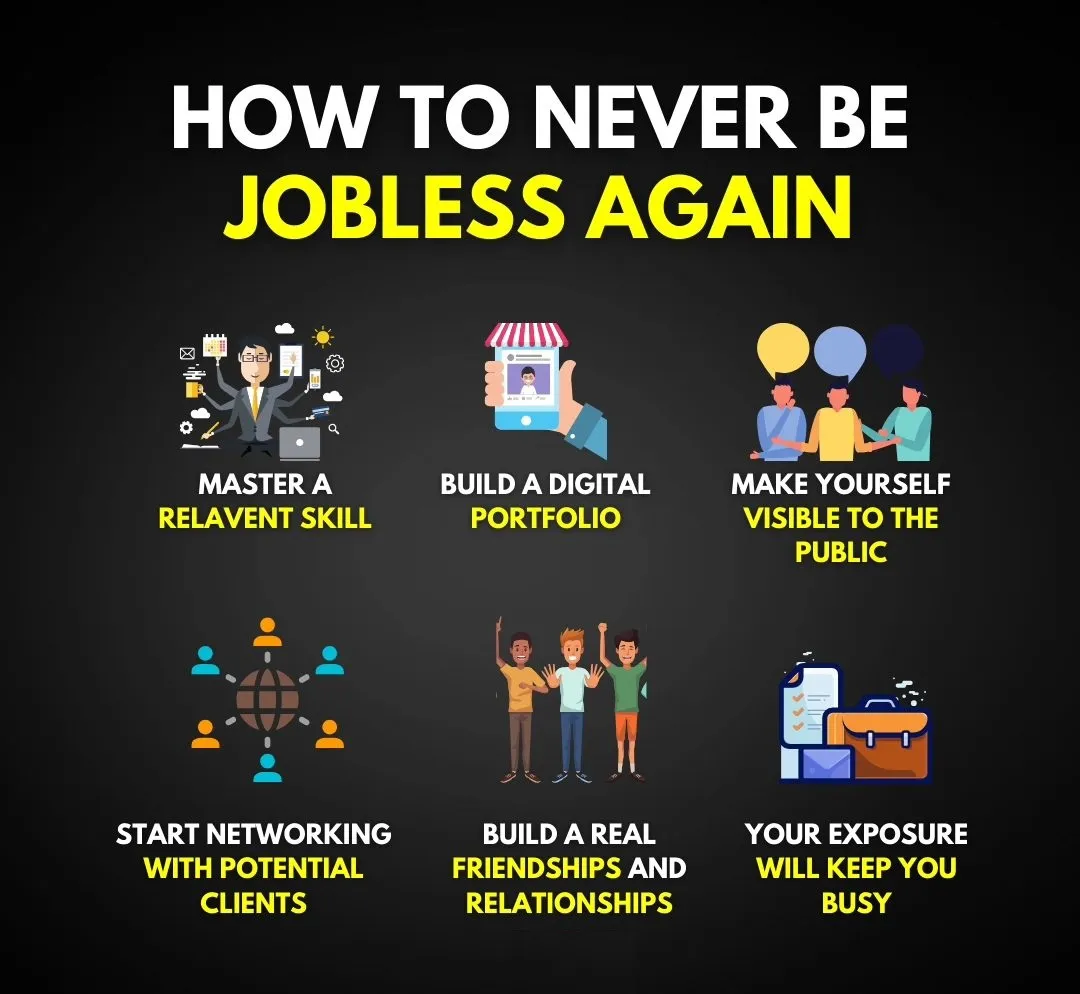
No one can guarantee permanent employment. Employers change, industries evolve and personal circumstances can affect a career at any stage. However, you can strengthen your long-term employability by developing useful skills, keeping your professional evidence current and maintaining relationships that support future opportunities.
This guide explains practical strategies for building a career that is more adaptable when your circumstances or the job market change.
What Does It Mean to Stay Employable?
Staying employable means maintaining the skills, experience, professional habits and evidence that help you remain a realistic candidate for suitable work.
It does not mean constantly changing careers or chasing every new trend. A sustainable approach is to understand where your field is heading and make deliberate improvements that support your long-term direction.
1. Keep Your Core Skills Relevant
Your strongest protection against career disruption is the ability to do useful work. Review the skills that are important in your current role or the roles you may want in the future.
Look at job descriptions, speak with experienced people in your field and identify which abilities appear consistently. Then focus your development on genuine gaps rather than collecting unrelated certificates.
2. Build Skills That Can Transfer Between Roles
Technical knowledge is important, but transferable skills can also make career changes easier. Depending on your work, useful transferable skills may include:
- Communication
- Problem-solving
- Project organisation
- Customer service
- Teamwork
- Digital literacy
- Data handling
- Leadership and decision-making
These skills are most valuable when you can support them with real examples.
3. Keep a Record of Your Work and Achievements
Many people wait until they need a new job before trying to remember what they achieved years earlier. Keep a simple record of important projects, responsibilities, results, training and positive feedback.
This makes it easier to update your CV, prepare for interviews and explain your experience accurately.
4. Update Your CV and Professional Profile Regularly
Your CV should not be something you only look at after losing a job. Review it periodically and add meaningful experience while the details are still clear.
The same principle applies to professional profiles such as LinkedIn. Keep your information accurate and consistent with the type of opportunities you want to pursue.
Read our How to Write a CV for a Job in the UK and LinkedIn job-search guide for practical help.
5. Build a Portfolio When Your Field Benefits From One
A portfolio can provide stronger evidence than a list of skills alone. This is particularly useful in areas such as writing, design, software, marketing and other project-based work.
Choose examples that show the quality of your work and your contribution. If confidential work cannot be shared, describe the project without revealing sensitive information.
6. Keep Learning, but Learn With a Purpose
Continuous learning does not mean taking every course you see. Start with a career goal or skill gap, then choose training that helps you close it.
Whenever possible, practise the skill after learning it. A qualification may support your CV, but practical evidence often helps you explain what you can actually do.
7. Maintain Professional Relationships
Professional relationships can provide advice, industry knowledge, introductions and information about opportunities. Build relationships over time rather than contacting people only when you urgently need a job.
Stay in touch respectfully, offer help where appropriate and avoid treating every connection as a source of employment.
8. Understand Changes in Your Industry
You do not need to follow every headline, but it is useful to understand developments that could affect your profession. Changes in technology, regulations, customer needs or working methods can influence the skills employers look for.
Reviewing industry information periodically can help you make career decisions before a change becomes urgent.
9. Be Open to Related Opportunities
Your next opportunity may not have exactly the same job title as your current role. Related positions can sometimes use many of the same skills while helping you build new experience.
Think about the work you can do, not only the title you currently hold. This can widen your options if your preferred job title becomes less available.
10. Develop a Reputation for Reliability
Professional reputation is built gradually. Meeting commitments, communicating clearly and working constructively with others can make it easier for people to trust your work.
Reliability will not guarantee future opportunities, but it can strengthen the relationships and references that support your career.
11. Keep Your Network and Career Options Active
You do not need to search for a new job constantly. However, it can be useful to remain aware of the wider employment market, maintain professional relationships and occasionally review the types of opportunities available in your field.
This can make a future transition less overwhelming because you already have a clearer picture of your options.
12. Build Career Resilience, Not a False Sense of Security
No skill, employer or strategy can completely remove career uncertainty. A better goal is resilience: the ability to respond when circumstances change.
That may involve updating your skills, changing your job-search strategy, accepting a related role or taking time to develop new experience.
A Practical Long-Term Employability Plan
You can keep the process manageable by reviewing your career periodically.
Every few months
- Update your record of achievements and responsibilities.
- Review your CV and professional profile.
- Identify one skill worth strengthening.
- Check whether your career direction still suits your goals.
Over the longer term
- Build deeper expertise in your core field.
- Develop transferable skills.
- Maintain professional relationships.
- Keep evidence of your work.
- Stay aware of meaningful changes in your industry.
Common Mistakes That Can Make Career Changes Harder
- Waiting until a crisis before updating your CV.
- Ignoring changes in the skills required for your field.
- Collecting certificates without developing practical ability.
- Relying entirely on one employer for professional growth.
- Allowing professional relationships to disappear completely.
- Defining your career only by one job title.
- Assuming that past experience will always be enough without updating your knowledge.
Frequently Asked Questions
Can anyone guarantee that they will never be unemployed?
No. Employment can change for many reasons. The practical goal is to strengthen your ability to find and adapt to suitable opportunities.
How often should I update my CV?
Review it periodically and update it when you complete meaningful projects, gain new skills or take on important responsibilities.
Do I need to learn new skills every year?
Not necessarily. Focus on whether your existing skills remain useful and whether there are meaningful gaps related to your career direction.
Is networking important for long-term employability?
Professional relationships can provide useful information, advice and connections. Building genuine relationships over time is generally more useful than networking only when you need a job.
Should I always be looking for another job?
No. You can remain employable without actively applying for jobs. Keeping your skills, professional evidence and awareness of your field current can help you prepare for future changes.
Final Thoughts
Long-term employability is not about guaranteeing that you will always have the same job. It is about building the ability to respond when your circumstances change.
Keep your skills relevant, maintain evidence of your work, build professional relationships and remain open to realistic opportunities. These habits can make future career transitions more manageable.
For practical support when you are ready to make your next move, read our How to Get a Job in the UK: Complete Job Search Guide, How to Write a CV for a Job in the UK and Hard Skills vs Soft Skills.













How to Start a Career in Sports and Leisure in the UK
A practical guide to sports and leisure careers in the UK, covering jobs, qualifications, apprenticeships, skills, experience, CVs and career...


How to Start a Career in Travel and Tourism in the UK
Travel and tourism is a broad career sector with opportunities in travel agencies, airports, airlines, visitor attractions, tours, hotels, heritage...


How to Start a Career in Property and Real Estate in the UK
Property and real estate is a broad career field covering residential property, commercial buildings, land, development, valuation, lettings, property management...


How to Start a Career in Hospitality in the UK
Thinking about hospitality as a career in the UK? Compare hotel, restaurant and guest service roles, entry routes, skills, apprenticeships...


How to Start a Career in Retail in the UK
Thinking about a retail career in the UK? Compare retail roles, entry routes, apprenticeships, skills, experience, CV tips and ways...


How to Start a Career in Science and Research in the UK
Planning a science or research career in the UK? Compare career paths, qualifications, apprenticeships, skills and practical ways to get...


How to Start a Career in Law in the UK
Thinking about a career in law? This guide explains UK legal career routes, qualifications, solicitor and barrister pathways, apprenticeships, skills,...


How to Start a Career in Education in the UK
Thinking about a career in education? Compare teaching and non-teaching roles, qualifications, apprenticeships, experience, skills and practical steps for getting...


How to Start a Career in Marketing in the UK
Marketing is a broad career field that combines communication, creativity, research, data and business thinking. It includes traditional marketing as...


How to Start a Career in Healthcare in the UK
Healthcare is one of the UK’s broadest career areas. It includes doctors and nurses, but also healthcare assistants, laboratory staff,...


How to Start a Career in Human Resources (HR) in the UK
Photo by Vitaly Gariev on Unsplash Human resources, usually called HR, is a people-focused career that combines communication, organisation, business...


How to Start a Career in Construction in the UK
Construction is one of the UK’s broadest career sectors. It includes hands-on trades such as bricklaying, carpentry and plumbing, as...


How to Start a Career in Energy and Utilities in the UK
Planning a career in energy and utilities in the UK? See job options, apprenticeships, qualifications, skills and practical steps to...


How to Start a Career in Media and Communications in the UK
Planning a media and communications career in the UK? Compare job options, entry routes, apprenticeships, skills, experience and practical steps...


How to Start a Career in Environmental and Sustainability Jobs in the UK
Environmental and sustainability careers are becoming an important part of many UK workplaces. Jobs in this area can involve protecting...


How to Start a Career in Cybersecurity in the UK
Thinking about a cybersecurity career in the UK? Here is a practical guide to skills, qualifications, entry-level roles, applications and...


How to Start a Career in Engineering in the UK
Thinking about engineering as a career in the UK? Here is a practical guide to engineering fields, qualifications, apprenticeships, skills,...


How to Start a Career in Government and Public Services in the UK
Thinking about a career in government or public services? This guide covers job options, entry routes, apprenticeships, skills, applications and...


Rolls-Royce Internship UK: Eligibility, Opportunities & How to Apply
Find Rolls-Royce internships in the UK with practical guidance on eligibility, opportunities, applications, assessments, skills and preparation.


How to Start a Career in Transport and Logistics in the UK
Planning a career in transport and logistics in the UK? See entry-level roles, apprenticeships, qualifications, skills and practical steps to...
-
 Career3 years ago
Flexible Jobs for Older Adults in the UK: 7 Career Options
-
 How-to8 months ago
How to Use Google Gemini for Freelance Work and Career Skills
-
 Jobs8 months ago
Second Jobs in the UK: 15 Practical Ways to Earn Extra Income
-
 Career2 years ago
Free Job Posting Sites in the UK: Options for Employers
-
 How-to8 months ago
How to Build Passive Income: 20 Income-Producing Assets for Long-Term Financial Growth
-

 AI & Tools8 months ago
How to Use Google Gemini for Productivity at Work
-

 Job Description3 years ago
Support Worker Job Description: Duties, Skills, Salary and Career Guide UK
-

 AI & Tools8 months ago
ChatGPT vs Microsoft Copilot: Which AI Is Best for You?