
Interview Guide
Competency-Based Interview Questions and Answers: UK Guide
Prepare for competency-based interview questions with the STAR method, common examples and practical advice for choosing strong answers.
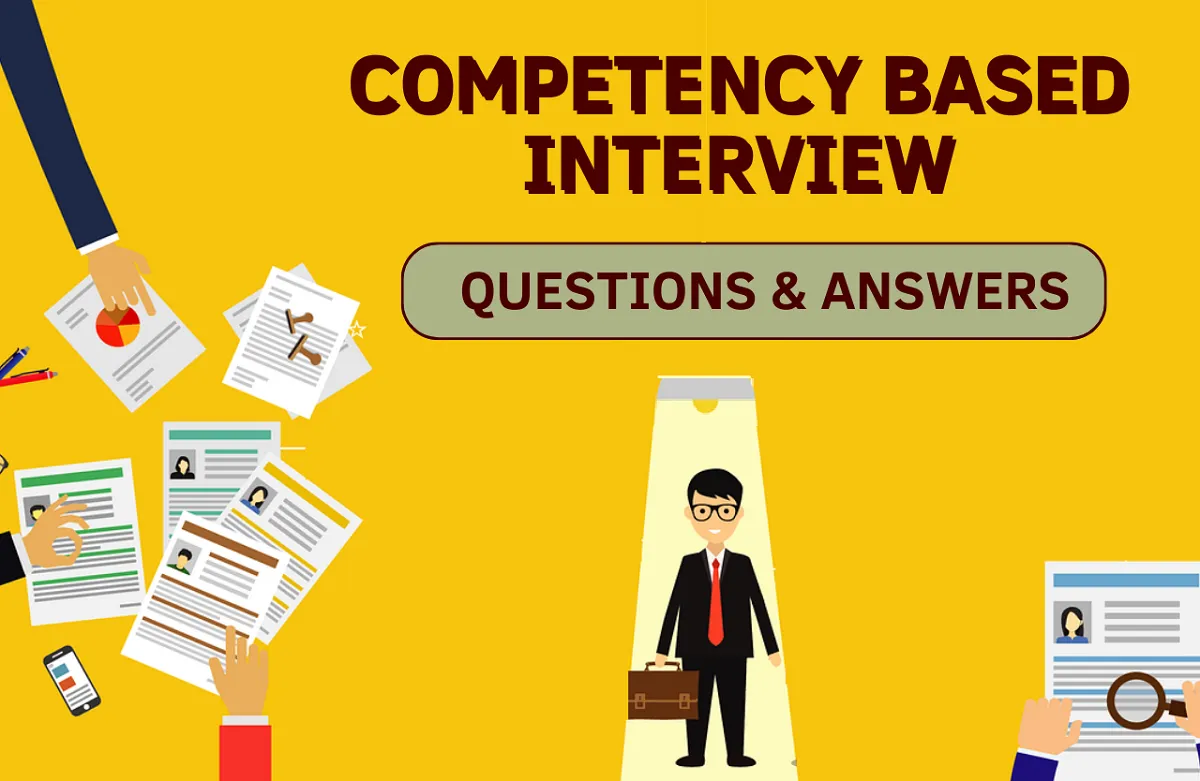
Competency-based interview questions are used to understand how you have handled situations in the past and what your examples may suggest about how you could approach similar situations in the future.
Instead of asking only about qualifications or technical knowledge, an interviewer may ask you to describe a real situation involving teamwork, communication, problem-solving, leadership or another skill required for the role.
This guide explains how competency questions work, how to recognise them and how to prepare clear answers.
What Are Competency-Based Interview Questions?
These questions ask you to give evidence of skills through real examples. For wider preparation, see our job interview preparation guide.
Competency questions ask for evidence of a skill or behaviour. They often begin with phrases such as:
- Tell me about a time when…
- Give me an example of…
- Describe a situation where…
- Can you give an example of how you…
How to Recognise a Competency-Based Question
Questions often begin with phrases such as “Tell me about a time…” or “Give an example of…”. The National Careers Service recommends using specific examples and tailoring them to the job description.
If the interviewer asks you to describe something you actually did, the question is likely assessing a competency. Listen for the skill being tested and choose an example that demonstrates it clearly.
How to Answer Competency Questions Using the STAR Method
The STAR method means Situation, Task, Action and Result. It helps keep answers focused and evidence-based.
Situation
Briefly explain the context. Give only the information needed to understand the example.
Task
Explain your responsibility or the problem you needed to address.
Action
This is usually the most important part. Explain what you personally did, the decisions you made and the steps you took.
Result
Explain what happened. Results do not always need to be numerical. You may describe an improvement, a completed project, a resolved problem or a lesson that helped you handle future situations better.
Common Mistakes When Using STAR
Avoid vague answers, spending too long on the situation, or describing what the team did without explaining your own contribution. Our guide to common interview mistakes covers wider preparation issues.
- Spending too long describing the background
- Using “we” without explaining your personal contribution
- Choosing an example that does not match the competency
- Skipping the result or outcome
- Trying to force the same example into every question
How to Choose Strong Examples Before the Interview
Start with the skills in the vacancy and prepare examples that match them. Our job description guide can help you identify the employer’s requirements.
Prepare an example bank rather than one perfect story. Choose genuine examples from employment, education, volunteering, placements, projects or other responsibilities.
For candidates with limited employment history, university projects and volunteering can provide useful evidence.
Common Competency-Based Interview Questions and How to Approach Them
Prepare examples for teamwork, communication, problem-solving, pressure, leadership and adaptability. If you have limited employment history, examples from volunteering, education or other activities can also be useful.
Teamwork
Example question: Tell me about a time when you worked successfully as part of a team.
Choose an example that shows your contribution, how you worked with others and what the group achieved.
Communication
Example question: Give me an example of a time when you had to explain something clearly to another person.
Choose an example that shows how you adapted your communication and whether your explanation helped achieve the intended outcome.
Problem-Solving
Example question: Describe a difficult problem you faced and how you solved it.
Focus on how you identified the issue, considered options and took action.
Working Under Pressure
Example question: Tell me about a time when you had to meet a difficult deadline.
Show how you prioritised, organised your work and responded when circumstances changed.
Leadership
Example question: Give me an example of a time when you took the lead.
Leadership does not always mean managing a team. You might have coordinated a project, taken responsibility for a task or helped others move work forward.
Conflict Resolution
Example question: Describe a time when you dealt with a disagreement.
Choose an example that shows professionalism, listening and how you worked towards a constructive outcome.
Customer Service
Example question: Tell me about a time when you dealt with a difficult customer or request.
Focus on understanding the issue, communicating clearly and working towards an appropriate solution.
Adaptability
Example question: Give me an example of a time when you had to adapt to a change.
Explain what changed, how you adjusted and what you did to continue working effectively.
Time Management
Example question: Describe a time when you had several priorities to manage.
Show how you decided what needed attention first and how you kept track of deadlines.
Achievement
Example question: What achievement are you most proud of?
Choose an achievement that is relevant where possible and explain the effort, decisions or skills behind the result.
What if You Have Little or No Work Experience?
You can use examples from education, volunteering, hobbies or other activities when they demonstrate the skill the employer wants. See our CV guide for candidates with no experience for related advice.
You do not need a long employment history to answer competency questions. Examples from education, group projects, volunteering, placements, sports or other genuine responsibilities may demonstrate the same skills.
How Many Examples Should You Prepare?
Prepare several flexible examples rather than trying to memorise an answer for every possible question. The National Careers Service suggests planning around two or three relevant examples for interview questions.
Prepare several examples covering different competencies. One example may sometimes demonstrate more than one skill, but you should be able to adapt it honestly rather than repeating the same story for every answer.
How Long Should a Competency Answer Be?
Your answer should contain enough detail to show what happened and what you did, without becoming a long story.
How to Practise Competency Questions
If the interview is remote, also check your technology and interview setup in advance. Our remote interview preparation guide covers the practical checks.
Practise out loud and keep your examples conversational. Avoid memorising a script word for word; be ready for follow-up questions.
Practise Out Loud
Saying your examples aloud can help you identify unclear sections and answers that are longer than necessary.
Focus on Key Points Rather Than Memorising
Know the structure and main details of your example without memorising every sentence.
Frequently Asked Questions
Use these questions to check that you understand the STAR structure and can adapt your examples to different competencies.
What Is the STAR Method in an Interview?
STAR stands for Situation, Task, Action and Result.
Can I Use the Same Example for Different Competency Questions?
Sometimes, if the example genuinely demonstrates the competency being assessed.
What if I Cannot Think of a Work Example?
Use a genuine example from education, volunteering, a placement, a project or another relevant responsibility.
Final Thoughts
Strong competency answers are specific, relevant and honest. Match your examples to the role, explain what you personally did and finish with the result or lesson.
The best competency answers are specific, honest and clearly connected to the skill being assessed. Prepare a range of genuine examples, understand the STAR structure and make your own contribution easy for the interviewer to understand.


How to Start a Career in Sports and Leisure in the UK
A practical guide to sports and leisure careers in the UK, covering jobs, qualifications, apprenticeships, skills, experience, CVs and career...


How to Start a Career in Travel and Tourism in the UK
Travel and tourism is a broad career sector with opportunities in travel agencies, airports, airlines, visitor attractions, tours, hotels, heritage...


How to Start a Career in Property and Real Estate in the UK
Property and real estate is a broad career field covering residential property, commercial buildings, land, development, valuation, lettings, property management...


How to Start a Career in Hospitality in the UK
Thinking about hospitality as a career in the UK? Compare hotel, restaurant and guest service roles, entry routes, skills, apprenticeships...


How to Start a Career in Retail in the UK
Thinking about a retail career in the UK? Compare retail roles, entry routes, apprenticeships, skills, experience, CV tips and ways...


How to Start a Career in Science and Research in the UK
Planning a science or research career in the UK? Compare career paths, qualifications, apprenticeships, skills and practical ways to get...


How to Start a Career in Law in the UK
Thinking about a career in law? This guide explains UK legal career routes, qualifications, solicitor and barrister pathways, apprenticeships, skills,...


How to Start a Career in Education in the UK
Thinking about a career in education? Compare teaching and non-teaching roles, qualifications, apprenticeships, experience, skills and practical steps for getting...


How to Start a Career in Marketing in the UK
Marketing is a broad career field that combines communication, creativity, research, data and business thinking. It includes traditional marketing as...


How to Start a Career in Healthcare in the UK
Healthcare is one of the UK’s broadest career areas. It includes doctors and nurses, but also healthcare assistants, laboratory staff,...


How to Start a Career in Human Resources (HR) in the UK
Photo by Vitaly Gariev on Unsplash Human resources, usually called HR, is a people-focused career that combines communication, organisation, business...


How to Start a Career in Construction in the UK
Construction is one of the UK’s broadest career sectors. It includes hands-on trades such as bricklaying, carpentry and plumbing, as...


How to Start a Career in Energy and Utilities in the UK
Planning a career in energy and utilities in the UK? See job options, apprenticeships, qualifications, skills and practical steps to...


How to Start a Career in Media and Communications in the UK
Planning a media and communications career in the UK? Compare job options, entry routes, apprenticeships, skills, experience and practical steps...


How to Start a Career in Environmental and Sustainability Jobs in the UK
Environmental and sustainability careers are becoming an important part of many UK workplaces. Jobs in this area can involve protecting...


How to Start a Career in Cybersecurity in the UK
Thinking about a cybersecurity career in the UK? Here is a practical guide to skills, qualifications, entry-level roles, applications and...


How to Start a Career in Engineering in the UK
Thinking about engineering as a career in the UK? Here is a practical guide to engineering fields, qualifications, apprenticeships, skills,...


How to Start a Career in Government and Public Services in the UK
Thinking about a career in government or public services? This guide covers job options, entry routes, apprenticeships, skills, applications and...


Rolls-Royce Internship UK: Eligibility, Opportunities & How to Apply
Find Rolls-Royce internships in the UK with practical guidance on eligibility, opportunities, applications, assessments, skills and preparation.


How to Start a Career in Transport and Logistics in the UK
Planning a career in transport and logistics in the UK? See entry-level roles, apprenticeships, qualifications, skills and practical steps to...
-
 Career3 years ago
Flexible Jobs for Older Adults in the UK: 7 Career Options
-
 How-to8 months ago
How to Use Google Gemini for Freelance Work and Career Skills
-
 Jobs8 months ago
Second Jobs in the UK: 15 Practical Ways to Earn Extra Income
-

 Career2 years ago
Free Job Posting Sites in the UK: Options for Employers
-
 How-to8 months ago
How to Build Passive Income: 20 Income-Producing Assets for Long-Term Financial Growth
-
 AI & Tools8 months ago
How to Use Google Gemini for Productivity at Work
-

 Job Description3 years ago
Support Worker Job Description: Duties, Skills, Salary and Career Guide UK
-

 AI & Tools8 months ago
ChatGPT vs Microsoft Copilot: Which AI Is Best for You?