
Interview Guide
Why Good Candidates Fail Job Interviews: 10 Common Reasons
Find out why good candidates can fail job interviews, what may affect an employer’s decision and how to improve before your next interview.
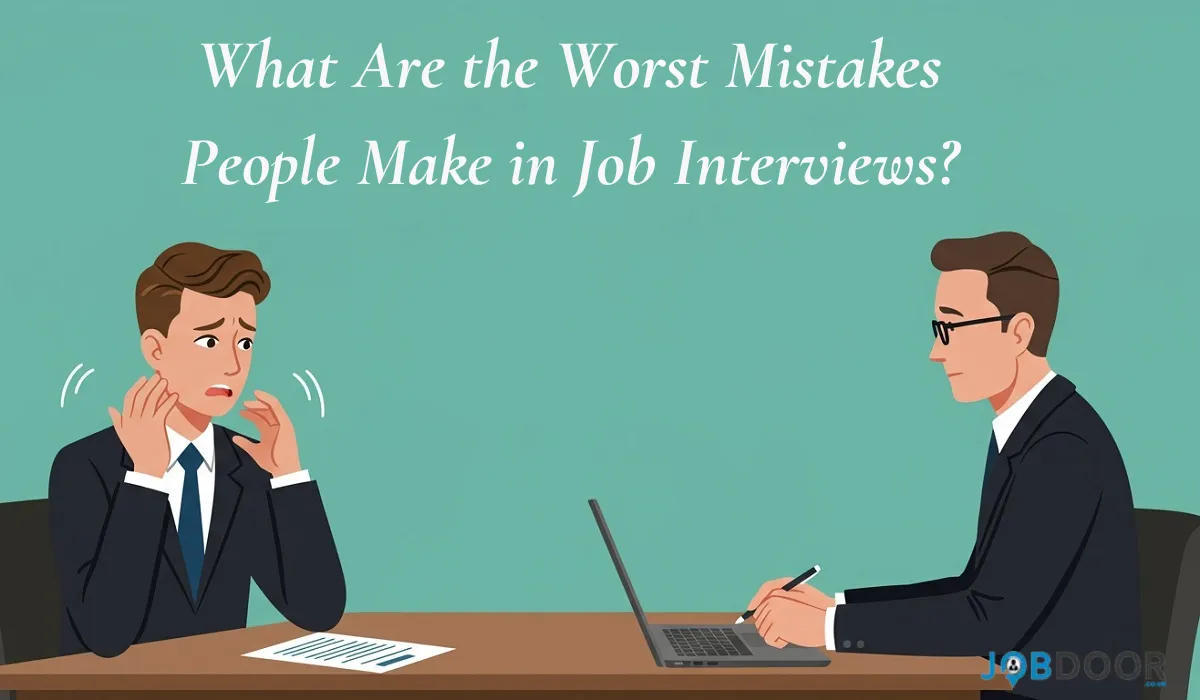
You can leave a job interview feeling confident and still not receive an offer. That does not automatically mean you performed badly or were unsuitable for the job. Employers may be comparing several capable candidates, and small differences in experience, examples or role fit can influence the final decision.
Not every rejection is within your control. However, reviewing your interview performance can help you identify what to improve before the next opportunity.
For complete guidance from invitation to follow-up, read our Job Interview Preparation: Complete Guide.
Why Good Candidates Sometimes Do Not Get the Job
Being a strong candidate does not always mean being the closest match for a particular vacancy. An employer may choose another applicant because their recent experience, specialist knowledge or examples align more directly with the role’s immediate needs.
It is useful to separate two questions: What could I improve? and What was outside my control? Doing so can help you improve without assuming that every rejection proves you made a major mistake.
Your Skills Did Not Match the Role Closely Enough
You may have strong qualifications and experience, but the vacancy may require a specific combination of skills that is not the main focus of your background.
How to Improve
Read the job description carefully and identify the most important requirements. Prepare examples that directly show how you meet them rather than trying to discuss every skill you have.
Another Candidate Had More Relevant Recent Experience
You can perform well and still lose out to someone whose recent work is more closely connected to the role. This is not necessarily a negative judgement about your ability.
How to Improve
Do not claim experience you do not have. Explain instead how your transferable skills and previous responsibilities could help you succeed in the role.
Your Answers Did Not Clearly Prove Your Experience
Use specific examples rather than broad claims. The job interview preparation guide covers practical ways to structure your answers.
Many candidates describe themselves as organised, hardworking or good communicators without showing evidence. Specific examples make those claims more meaningful.
Use Specific Evidence
Choose examples from work, education, volunteering or projects. Explain the situation, your responsibility, the action you personally took and the result.
Our Competency-Based Interview Questions and Answers: Complete Guide explains how to use structured examples and the STAR method.
Your Answers Were Too Generic
If an answer could apply to almost any employer, it may not explain why you are a strong match for this particular role.
How to Improve
Connect your answers to the job description and employer. Explain why your experience is relevant to their needs instead of relying on a standard answer that could be repeated in every interview.
You Did Not Clearly Explain Your Contribution
You may have useful experience, but interviewers cannot always make the connection for you. When discussing previous work, make it clear what you personally did.
Make Your Contribution Clear
Explain your role, the decisions or actions you took and the outcome where you can genuinely support it. This is especially important when describing team projects.
Your Motivation for the Role Was Unclear
Employers often want to understand why you want the role and why your experience connects with it. A generic answer can make it difficult for the interviewer to understand your interest.
How to Improve
Research the organisation and prepare an honest answer that connects the role with your skills, interests and career direction. You do not need an elaborate story; a clear and genuine explanation is usually stronger than exaggerated enthusiasm.
Your Experience Was Good but Not Relevant Enough
Before the interview, compare your examples with the vacancy. Our guide to what to look for in a job description can help you identify the skills the employer is asking for.
A successful background in one area does not always make you the closest match for a different position. The issue may not be the quality of your experience, but how closely it relates to the work required.
Focus on Transferable Skills
Show how responsibilities from previous roles relate to the new job. Communication, organisation, customer service, problem-solving and leadership can transfer between industries when you explain the connection clearly.
You Did Not Prepare Enough Relevant Examples
Nerves can make candidates speak in broad statements rather than providing evidence. Having a small range of prepared examples gives you more flexibility when questions change.
Prepare Examples Before the Interview
Choose examples covering the main requirements in the job description. Include examples of achievements, problems you solved, difficult situations, teamwork and responsibilities where relevant to the role.
Your Communication Made Your Strengths Difficult to Assess
Strong experience can be difficult to assess if answers are unclear, too brief or unnecessarily long. Listening carefully and answering the question asked can make your experience easier to understand.
How to Improve
Take a moment to think when necessary. Ask for clarification if you do not understand a question, and aim for a clear answer with enough detail to support your point.
Another Candidate Was Simply a Better Match
Sometimes there is no major mistake to fix. Another candidate may have had a specialist skill, more directly relevant experience or a background that better suited the employer’s immediate priorities.
A good interview does not guarantee an offer when several strong applicants are being considered.
Reasons That May Be Outside Your Control
It is important not to turn every unsuccessful interview into a personal failure. Some hiring outcomes can be affected by factors you cannot change, including:
- The employer changing its priorities.
- The role being revised or delayed.
- A stronger match appearing later in the process.
- A need for specialist or recent experience you do not have.
- Internal candidates or changes in the employer’s hiring plans.
You can still review your own performance, but recognising these possibilities can help you avoid drawing conclusions that the evidence does not support.
What to Do After You Do Not Get the Job
If you receive useful feedback, use it to improve rather than changing everything after one rejection. The National Careers Service also recommends reflecting on interview performance and using feedback to improve future applications.
Ask for Feedback When Appropriate
You can politely ask for feedback. An employer may not always provide it, but useful feedback can help you identify areas to improve.
Review the Interview While It Is Fresh
Write down questions you found difficult, examples that worked well and anything you would explain differently next time.
Look for Patterns
One unsuccessful interview does not necessarily mean your approach is wrong. If the same difficulties appear across several interviews, that is a stronger signal that a particular area needs work.
Keep Applying and Improving
Continue applying for suitable roles while improving specific areas of preparation and interview technique. Avoid waiting for one rejection to be fully explained before continuing your job search.
How to Improve Your Chances at the Next Interview
Review your CV and interview examples together so the story you tell is consistent from application to interview. Our UK CV writing guide can help you strengthen the application before the next interview.
- Match your examples to the job description.
- Research the employer and role.
- Prepare specific examples instead of generic statements.
- Practise common questions without memorising scripts.
- Use structured answers for competency questions.
- Prepare useful questions for the interviewer.
- Review each interview and use feedback where it is genuinely helpful.
Common Mistakes When Responding to Interview Rejection
- Assuming one rejection proves you are not good enough.
- Changing your entire approach after a single unsuccessful interview.
- Ignoring useful feedback.
- Assuming that a positive feeling after the interview guarantees an offer.
- Comparing your background with another candidate when you do not know the employer’s full reasons.
- Stopping applications while waiting for feedback from one employer.
For common avoidable errors, read 5 Job Interview Preparation Mistakes to Avoid. You can also read What Not to Do in a Job Interview for guidance on professional behaviour during the interview.
Frequently Asked Questions
Can You Have a Good Interview and Still Not Get the Job?
Yes. Another candidate may have been a closer match for the employer’s particular requirements. A rejection does not always mean your interview was poor.
Should You Ask Why You Did Not Get the Job?
You can politely ask for feedback. The employer does not have to provide it, but feedback may help you improve future applications or interviews.
How Can You Tell if You Performed Badly in an Interview?
It can be difficult to judge your own interview accurately. Review the questions you found difficult and ask for feedback where appropriate rather than relying only on your impression.
Should I Change My Interview Approach After One Rejection?
Not necessarily. Look for patterns across several interviews or use specific feedback before making major changes to an approach that may otherwise be working.
Final Thoughts
Not getting a job after an interview can be disappointing, particularly when you felt well qualified. The most useful approach is to separate what you can improve from what you cannot control.
Strengthen your preparation, use clearer examples and continue applying for roles that genuinely match your experience. A rejection can provide useful information, but it does not automatically define your ability or future prospects.
For step-by-step preparation before your next opportunity, return to our Job Interview Preparation: Complete Guide.






How to Start a Career in Sports and Leisure in the UK
A practical guide to sports and leisure careers in the UK, covering jobs, qualifications, apprenticeships, skills, experience, CVs and career...


How to Start a Career in Travel and Tourism in the UK
Travel and tourism is a broad career sector with opportunities in travel agencies, airports, airlines, visitor attractions, tours, hotels, heritage...


How to Start a Career in Property and Real Estate in the UK
Property and real estate is a broad career field covering residential property, commercial buildings, land, development, valuation, lettings, property management...


How to Start a Career in Hospitality in the UK
Thinking about hospitality as a career in the UK? Compare hotel, restaurant and guest service roles, entry routes, skills, apprenticeships...


How to Start a Career in Retail in the UK
Thinking about a retail career in the UK? Compare retail roles, entry routes, apprenticeships, skills, experience, CV tips and ways...


How to Start a Career in Science and Research in the UK
Planning a science or research career in the UK? Compare career paths, qualifications, apprenticeships, skills and practical ways to get...


How to Start a Career in Law in the UK
Thinking about a career in law? This guide explains UK legal career routes, qualifications, solicitor and barrister pathways, apprenticeships, skills,...


How to Start a Career in Education in the UK
Thinking about a career in education? Compare teaching and non-teaching roles, qualifications, apprenticeships, experience, skills and practical steps for getting...


How to Start a Career in Marketing in the UK
Marketing is a broad career field that combines communication, creativity, research, data and business thinking. It includes traditional marketing as...


How to Start a Career in Healthcare in the UK
Healthcare is one of the UK’s broadest career areas. It includes doctors and nurses, but also healthcare assistants, laboratory staff,...


How to Start a Career in Human Resources (HR) in the UK
Photo by Vitaly Gariev on Unsplash Human resources, usually called HR, is a people-focused career that combines communication, organisation, business...


How to Start a Career in Construction in the UK
Construction is one of the UK’s broadest career sectors. It includes hands-on trades such as bricklaying, carpentry and plumbing, as...


How to Start a Career in Energy and Utilities in the UK
Planning a career in energy and utilities in the UK? See job options, apprenticeships, qualifications, skills and practical steps to...


How to Start a Career in Media and Communications in the UK
Planning a media and communications career in the UK? Compare job options, entry routes, apprenticeships, skills, experience and practical steps...


How to Start a Career in Environmental and Sustainability Jobs in the UK
Environmental and sustainability careers are becoming an important part of many UK workplaces. Jobs in this area can involve protecting...


How to Start a Career in Cybersecurity in the UK
Thinking about a cybersecurity career in the UK? Here is a practical guide to skills, qualifications, entry-level roles, applications and...


How to Start a Career in Engineering in the UK
Thinking about engineering as a career in the UK? Here is a practical guide to engineering fields, qualifications, apprenticeships, skills,...


How to Start a Career in Government and Public Services in the UK
Thinking about a career in government or public services? This guide covers job options, entry routes, apprenticeships, skills, applications and...


Rolls-Royce Internship UK: Eligibility, Opportunities & How to Apply
Find Rolls-Royce internships in the UK with practical guidance on eligibility, opportunities, applications, assessments, skills and preparation.


How to Start a Career in Transport and Logistics in the UK
Planning a career in transport and logistics in the UK? See entry-level roles, apprenticeships, qualifications, skills and practical steps to...
-
 Career3 years ago
Flexible Jobs for Older Adults in the UK: 7 Career Options
-
 How-to8 months ago
How to Use Google Gemini for Freelance Work and Career Skills
-
 Jobs8 months ago
Second Jobs in the UK: 15 Practical Ways to Earn Extra Income
-
 Career2 years ago
Free Job Posting Sites in the UK: Options for Employers
-
 How-to8 months ago
How to Build Passive Income: 20 Income-Producing Assets for Long-Term Financial Growth
-

 AI & Tools8 months ago
How to Use Google Gemini for Productivity at Work
-

 Job Description3 years ago
Support Worker Job Description: Duties, Skills, Salary and Career Guide UK
-

 AI & Tools8 months ago
ChatGPT vs Microsoft Copilot: Which AI Is Best for You?