
Job Description
Graphic Designer Job Description: Duties, Skills, Salary and Career Guide UK
A Graphic Designer creates visual content that communicates ideas through layouts, typography, images and brand design.
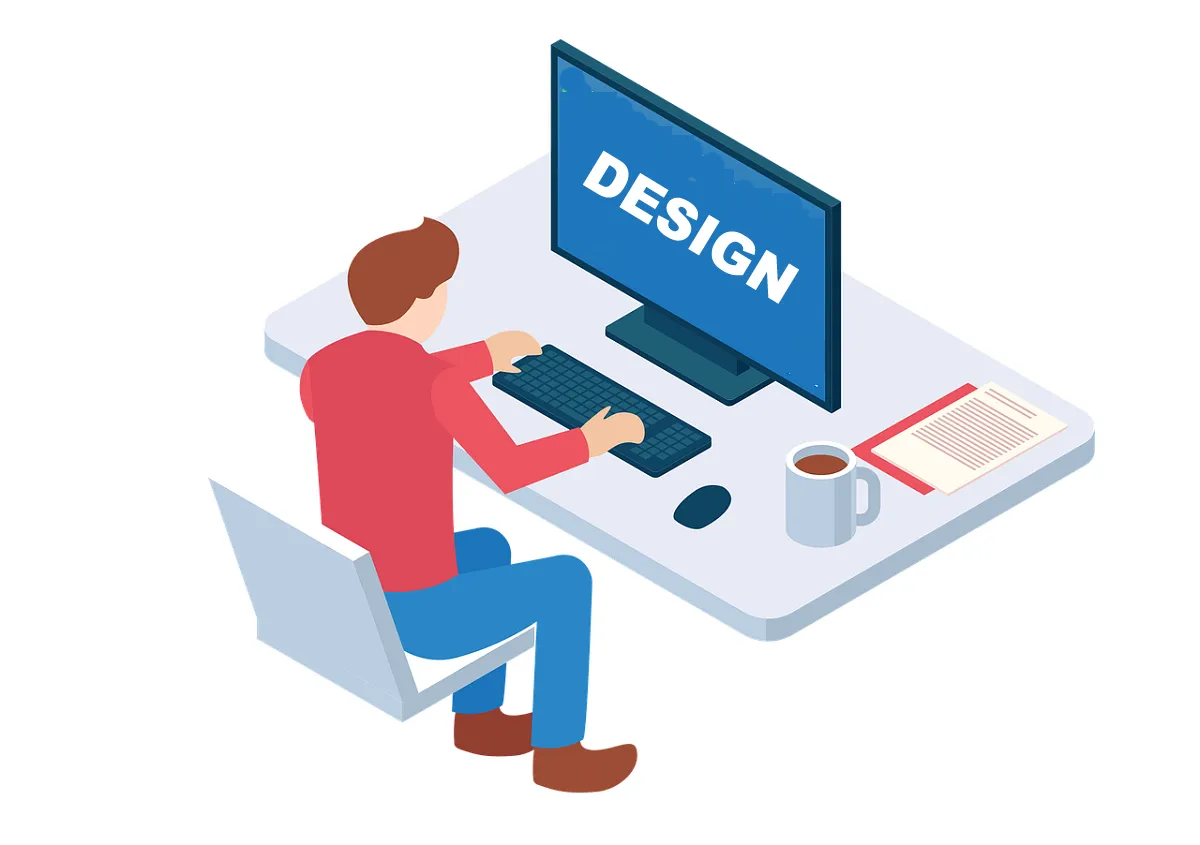
A Graphic Designer creates visual content that communicates ideas through layouts, typography, images and brand design. This guide explains the main duties, skills, qualifications, salary factors and practical steps for finding Graphic Designer jobs in the UK.
What Does a Graphic Designer Do?
The exact role changes between employers and sectors, so always read the full vacancy. Our guide to what a job description is and what to look for can help you compare opportunities.
Key Duties and Responsibilities
- Creating visual concepts and layouts
- Preparing digital or print design assets
- Working from briefs and brand guidelines
- Presenting ideas and revising work from feedback
Day-to-day responsibilities
A typical day may include reviewing briefs, creating layouts, preparing digital or print assets, resizing designs for different channels, checking brand consistency and making revisions based on feedback. The mix of work depends on the employer, clients and design specialism.
How the role varies
Different employers may use the same title for different levels of responsibility. Compare several current adverts before deciding what skills you need.
Essential Skills
- Typography and visual communication
- Design software
- Creativity and problem solving
- Portfolio and presentation skills
Depending on the vacancy, employers may also ask for branding, image editing, layout design, basic motion or web-design knowledge. Check the advert and make sure your portfolio shows relevant examples.
Transferable skills matter
Reliability, teamwork, communication and problem solving can strengthen your application when you have limited direct experience.
Qualifications and Training
A degree can help, but employers frequently place strong emphasis on a relevant portfolio and practical skills. Courses, practical projects, internships and freelance work can also help you build evidence of your ability.
Before choosing additional training, compare current vacancies to see which design tools and skills employers are requesting.
Building experience
Projects, placements, part-time work and volunteering can provide useful evidence of your abilities.
Salary and Working Hours
£25,000 to £55,000+ depending on experience, specialism and location.
Working patterns depend on the employer and sector. Check each vacancy for shift, evening, weekend or flexible-working requirements.
How to Become a Graphic Designer
Build the right skills
Review current vacancies and focus on requirements that appear repeatedly. Build a portfolio that shows different types of work and explains the problem, your design choices and the final result. Our guide to staying employable also covers long-term career skills.
Tailor your CV
Use specific examples of relevant work and mention the design tools you can use. See CV vs resume if you need help understanding the difference. If you have limited experience, our CV guide for people with no experience can help you present projects and transferable skills.
Prepare for interviews
Prepare examples that show your design process, how you handle feedback and how you solve a visual communication problem. Use our job interview preparation guide and review job interview mistakes.
How to Find Graphic Designer Jobs
Use employer websites, design-focused job boards and professional networks. See how UK job seekers can use LinkedIn and our guide to the best job-hunting websites in the UK. For broader guidance, see our complete UK job-search guide and guide to finding work when there are fewer vacancies.
Career Progression
Progression may involve moving into senior, specialist or supervisory responsibilities as your skills and experience grow.
Frequently Asked Questions
What skills are important for a Graphic Designer?
Visual communication, typography, design software, creativity and problem solving are important. Employers may also look for branding, digital design, image editing and portfolio presentation skills.
Do I need experience?
Not always. Entry-level opportunities may value transferable skills and willingness to learn.
What should I include in my application?
Match your examples to the requirements listed in the vacancy. Highlight relevant design projects, software skills, portfolio work and examples of responding to feedback.
Final Thoughts
A Graphic Designer career can be a strong option when the daily work suits your interests and strengths. Read real vacancies, build evidence and tailor each application carefully.


How to Start a Career in Sports and Leisure in the UK
A practical guide to sports and leisure careers in the UK, covering jobs, qualifications, apprenticeships, skills, experience, CVs and career...


How to Start a Career in Travel and Tourism in the UK
Travel and tourism is a broad career sector with opportunities in travel agencies, airports, airlines, visitor attractions, tours, hotels, heritage...


How to Start a Career in Property and Real Estate in the UK
Property and real estate is a broad career field covering residential property, commercial buildings, land, development, valuation, lettings, property management...


How to Start a Career in Hospitality in the UK
Thinking about hospitality as a career in the UK? Compare hotel, restaurant and guest service roles, entry routes, skills, apprenticeships...


How to Start a Career in Retail in the UK
Thinking about a retail career in the UK? Compare retail roles, entry routes, apprenticeships, skills, experience, CV tips and ways...


How to Start a Career in Science and Research in the UK
Planning a science or research career in the UK? Compare career paths, qualifications, apprenticeships, skills and practical ways to get...


How to Start a Career in Law in the UK
Thinking about a career in law? This guide explains UK legal career routes, qualifications, solicitor and barrister pathways, apprenticeships, skills,...


How to Start a Career in Education in the UK
Thinking about a career in education? Compare teaching and non-teaching roles, qualifications, apprenticeships, experience, skills and practical steps for getting...


How to Start a Career in Marketing in the UK
Marketing is a broad career field that combines communication, creativity, research, data and business thinking. It includes traditional marketing as...


How to Start a Career in Healthcare in the UK
Healthcare is one of the UK’s broadest career areas. It includes doctors and nurses, but also healthcare assistants, laboratory staff,...


How to Start a Career in Human Resources (HR) in the UK
Photo by Vitaly Gariev on Unsplash Human resources, usually called HR, is a people-focused career that combines communication, organisation, business...


How to Start a Career in Construction in the UK
Construction is one of the UK’s broadest career sectors. It includes hands-on trades such as bricklaying, carpentry and plumbing, as...


How to Start a Career in Energy and Utilities in the UK
Planning a career in energy and utilities in the UK? See job options, apprenticeships, qualifications, skills and practical steps to...


How to Start a Career in Media and Communications in the UK
Planning a media and communications career in the UK? Compare job options, entry routes, apprenticeships, skills, experience and practical steps...


How to Start a Career in Environmental and Sustainability Jobs in the UK
Environmental and sustainability careers are becoming an important part of many UK workplaces. Jobs in this area can involve protecting...


How to Start a Career in Cybersecurity in the UK
Thinking about a cybersecurity career in the UK? Here is a practical guide to skills, qualifications, entry-level roles, applications and...


How to Start a Career in Engineering in the UK
Thinking about engineering as a career in the UK? Here is a practical guide to engineering fields, qualifications, apprenticeships, skills,...


How to Start a Career in Government and Public Services in the UK
Thinking about a career in government or public services? This guide covers job options, entry routes, apprenticeships, skills, applications and...


Rolls-Royce Internship UK: Eligibility, Opportunities & How to Apply
Find Rolls-Royce internships in the UK with practical guidance on eligibility, opportunities, applications, assessments, skills and preparation.


How to Start a Career in Transport and Logistics in the UK
Planning a career in transport and logistics in the UK? See entry-level roles, apprenticeships, qualifications, skills and practical steps to...
-
 Career3 years ago
Flexible Jobs for Older Adults in the UK: 7 Career Options
-
 How-to8 months ago
How to Use Google Gemini for Freelance Work and Career Skills
-
 Jobs8 months ago
Second Jobs in the UK: 15 Practical Ways to Earn Extra Income
-

 Career2 years ago
Free Job Posting Sites in the UK: Options for Employers
-
 How-to8 months ago
How to Build Passive Income: 20 Income-Producing Assets for Long-Term Financial Growth
-

 AI & Tools8 months ago
How to Use Google Gemini for Productivity at Work
-

 Job Description3 years ago
Support Worker Job Description: Duties, Skills, Salary and Career Guide UK
-

 AI & Tools8 months ago
ChatGPT vs Microsoft Copilot: Which AI Is Best for You?