
Career
What School Won’t Teach You About Money and Your Career
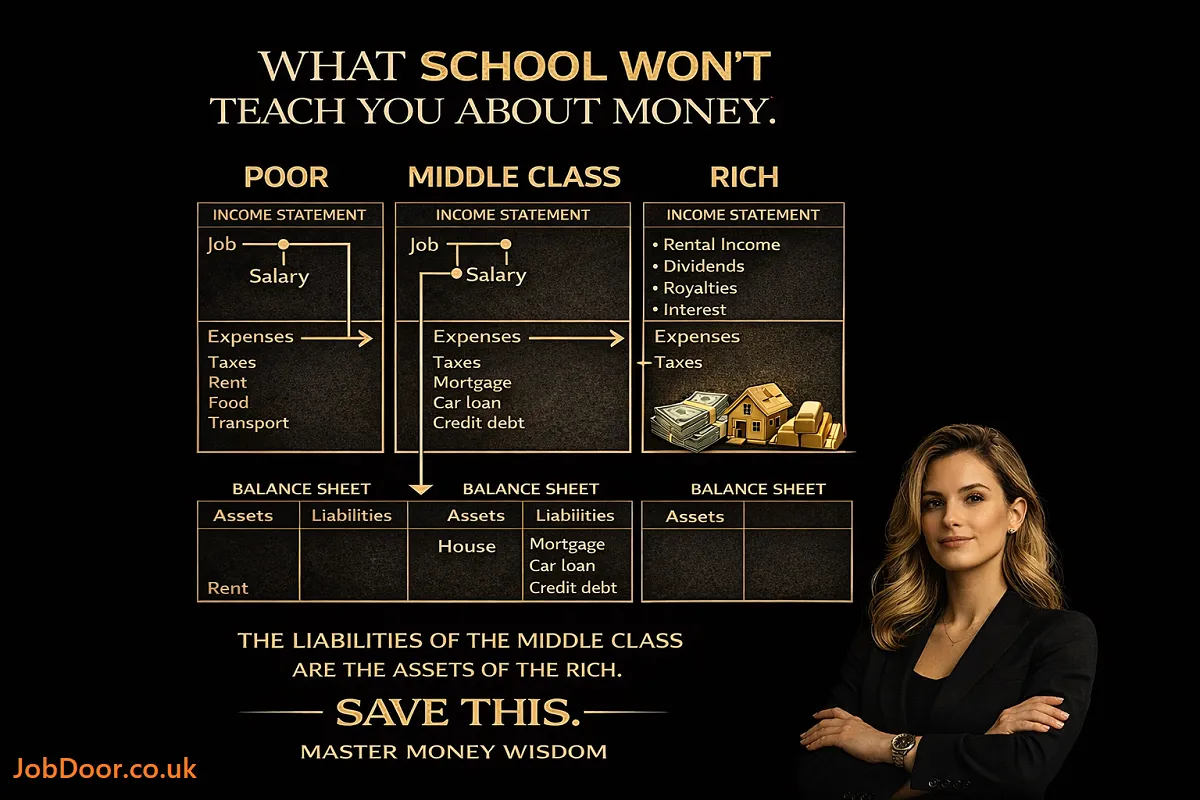
School can teach you mathematics, science, history and other useful subjects, but many people enter working life without a clear understanding of how salary, spending, debt, saving and career choices affect their financial lives.
For job seekers and workers, money management is closely connected to career decisions. Your salary matters, but so do your skills, earning potential, benefits, job security, career progression and the cost of maintaining your lifestyle.
This guide looks at the practical money lessons that can help you make better career and employment decisions in the UK. It is general information, not personal financial advice.
1. Your Salary Is Only One Part of Your Compensation
When comparing jobs, it is easy to focus only on the annual salary. However, the real value of a job can also include pension contributions, paid holiday, bonuses, flexible working, training, healthcare benefits and other workplace benefits.
Before accepting an offer, compare the complete package rather than looking at the headline salary alone. If you are still searching for work, start with our complete guide to getting a job in the UK.
2. A Higher Salary Does Not Automatically Mean More Financial Freedom
A pay rise can improve your finances, but your spending can also rise at the same time. A more expensive home, car, subscriptions and other lifestyle costs can absorb much of an increase in income.
This is why it is useful to look at the amount you keep after essential costs, debt payments and regular spending. A bigger salary can create more options, but only if your overall financial commitments remain manageable.
3. Your Career Skills Can Affect Your Future Earning Potential
One of the most useful long-term financial decisions can be investing time in skills that improve your career options. Technical skills, communication, management, digital skills, industry knowledge and other capabilities can help you qualify for different roles as your career develops.
Do not assume that you need to change careers every time you want to increase your income. Sometimes a better approach is to strengthen your existing skills, take on more responsibility or move into a related role.
If you are considering a career change, our guide to using AI to identify transferable skills can help you think about skills you already have.
4. Understand the Difference Between Income and Assets
Income is money you receive, such as wages or salary. Assets are things that have value and may produce income or appreciate over time, depending on the asset and the circumstances.
For a worker, the first priority is usually building a stable income and managing essential expenses. Over time, people may also choose to save or invest according to their circumstances and risk tolerance.
5. Know Where Your Money Goes Each Month
Financial planning starts with knowing your regular income and spending. Separate essential costs from discretionary spending and identify recurring payments that you no longer need.
- Housing and household bills
- Food and transport
- Debt repayments
- Insurance and other regular commitments
- Savings and investments
- Entertainment and discretionary spending
JobDoor has also updated its guide to money management apps for UK workers, which can help you organise spending and budgets.
6. Avoid Building a Lifestyle Around Your Maximum Salary
When your income increases, you do not have to increase every expense at the same rate. Keeping some of the extra income available for savings, future plans or unexpected costs can give you more flexibility.
This also matters when changing jobs. A higher salary can look attractive, but consider commuting costs, relocation costs, childcare, working hours and other expenses that may change with the new role.
7. Learn to Evaluate a Job Beyond the Salary
A job should be assessed in the context of your wider career and financial goals. Ask practical questions before accepting an offer:
- What is the total compensation package?
- Is there a clear path for progression?
- What training or development is available?
- How stable is the role?
- What are the expected working hours?
- How much will commuting or working from home cost?
- Will the role build useful skills for future opportunities?
Also check the job description carefully for responsibilities, requirements and employment conditions. Our guide explains what a job description is and what to look for.
8. Negotiating Pay Is a Career Skill
Many people are uncomfortable discussing salary, but understanding your market value and communicating your experience clearly can be useful during recruitment and career progression.
Before a salary discussion, research the role, understand the responsibilities and prepare evidence of relevant skills, experience and results. Avoid making claims you cannot support.
9. An Emergency Fund Can Protect Your Career Choices
Unexpected expenses or a period between jobs can put pressure on your finances. Building an emergency fund, where affordable, can provide a buffer for events such as essential repairs, unexpected bills or a temporary loss of income.
The amount that makes sense depends on your income, household situation, essential costs and other circumstances. The key career lesson is simple: having some financial breathing room can reduce the pressure to accept the first available job when you are between roles.
10. Debt Can Influence Career Decisions
Debt payments are part of your monthly financial commitments. High repayments can reduce the amount of income available for other goals and may make it harder to manage a period of unemployment or a lower-paid career transition.
When reviewing a job offer, think about how the salary fits with your existing commitments rather than treating the salary figure in isolation.
11. Side Income Requires Skills, Time and Realistic Expectations
Freelancing, consulting, content creation and other side activities can provide additional income, but they are not guaranteed to succeed. They can also require time outside your main job and may involve costs, taxes or business responsibilities.
If you are considering an online income project, JobDoor covers practical topics such as building repeatable online income and the skills, costs and risks of a YouTube automation business.
12. Your Career Can Be an Asset Too
Your knowledge, experience, professional reputation and skills can create future opportunities. A strong career does not only provide today’s salary; it can also improve your ability to move into new roles, take on responsibility or work in another industry.
This is one reason it can be useful to keep your CV current, document achievements and continue developing relevant skills even when you are happy in your current role. Our UK CV guide covers the basics.
13. Financial Knowledge Should Support Career Freedom
The goal of financial knowledge is not to divide people into categories such as poor, middle class and rich. Personal circumstances are much more complicated than that.
A more useful approach is to understand the relationship between income, expenses, skills, savings, debt and long-term goals. Better financial awareness can help you evaluate job offers, plan career changes and make informed choices about your money.
A Simple Career and Money Checklist
- Know your monthly essential expenses.
- Understand the full compensation package when comparing jobs.
- Keep your CV and professional profile updated.
- Build skills that support future career options.
- Review recurring spending regularly.
- Manage debt carefully and understand your repayments.
- Build an emergency buffer when your circumstances allow.
- Consider the long-term value of a role, not just its starting salary.
- Be cautious about side-income claims that promise easy money.
- Review your career and financial goals periodically.
Final Takeaway
One of the most useful money lessons for working life is that earning, spending, saving and career development are connected.
A higher salary can help, but so can stronger skills, sensible spending, careful job choices and preparation for unexpected changes. Your career is not simply a way to receive a monthly paycheque; it is a long-term part of your financial planning.
Keep improving your skills, understand your employment options and make money decisions based on your own circumstances and goals.














How to Start a Career in Sports and Leisure in the UK
A practical guide to sports and leisure careers in the UK, covering jobs, qualifications, apprenticeships, skills, experience, CVs and career...


How to Start a Career in Travel and Tourism in the UK
Travel and tourism is a broad career sector with opportunities in travel agencies, airports, airlines, visitor attractions, tours, hotels, heritage...


How to Start a Career in Property and Real Estate in the UK
Property and real estate is a broad career field covering residential property, commercial buildings, land, development, valuation, lettings, property management...


How to Start a Career in Hospitality in the UK
Thinking about hospitality as a career in the UK? Compare hotel, restaurant and guest service roles, entry routes, skills, apprenticeships...


How to Start a Career in Retail in the UK
Thinking about a retail career in the UK? Compare retail roles, entry routes, apprenticeships, skills, experience, CV tips and ways...


How to Start a Career in Science and Research in the UK
Planning a science or research career in the UK? Compare career paths, qualifications, apprenticeships, skills and practical ways to get...


How to Start a Career in Law in the UK
Thinking about a career in law? This guide explains UK legal career routes, qualifications, solicitor and barrister pathways, apprenticeships, skills,...


How to Start a Career in Education in the UK
Thinking about a career in education? Compare teaching and non-teaching roles, qualifications, apprenticeships, experience, skills and practical steps for getting...


How to Start a Career in Marketing in the UK
Marketing is a broad career field that combines communication, creativity, research, data and business thinking. It includes traditional marketing as...


How to Start a Career in Healthcare in the UK
Healthcare is one of the UK’s broadest career areas. It includes doctors and nurses, but also healthcare assistants, laboratory staff,...


How to Start a Career in Human Resources (HR) in the UK
Photo by Vitaly Gariev on Unsplash Human resources, usually called HR, is a people-focused career that combines communication, organisation, business...


How to Start a Career in Construction in the UK
Construction is one of the UK’s broadest career sectors. It includes hands-on trades such as bricklaying, carpentry and plumbing, as...


How to Start a Career in Energy and Utilities in the UK
Planning a career in energy and utilities in the UK? See job options, apprenticeships, qualifications, skills and practical steps to...


How to Start a Career in Media and Communications in the UK
Planning a media and communications career in the UK? Compare job options, entry routes, apprenticeships, skills, experience and practical steps...


How to Start a Career in Environmental and Sustainability Jobs in the UK
Environmental and sustainability careers are becoming an important part of many UK workplaces. Jobs in this area can involve protecting...


How to Start a Career in Cybersecurity in the UK
Thinking about a cybersecurity career in the UK? Here is a practical guide to skills, qualifications, entry-level roles, applications and...


How to Start a Career in Engineering in the UK
Thinking about engineering as a career in the UK? Here is a practical guide to engineering fields, qualifications, apprenticeships, skills,...


How to Start a Career in Government and Public Services in the UK
Thinking about a career in government or public services? This guide covers job options, entry routes, apprenticeships, skills, applications and...


Rolls-Royce Internship UK: Eligibility, Opportunities & How to Apply
Find Rolls-Royce internships in the UK with practical guidance on eligibility, opportunities, applications, assessments, skills and preparation.


How to Start a Career in Transport and Logistics in the UK
Planning a career in transport and logistics in the UK? See entry-level roles, apprenticeships, qualifications, skills and practical steps to...
-
 Career3 years ago
Flexible Jobs for Older Adults in the UK: 7 Career Options
-
 How-to8 months ago
How to Use Google Gemini for Freelance Work and Career Skills
-
 Jobs8 months ago
Second Jobs in the UK: 15 Practical Ways to Earn Extra Income
-

 Career2 years ago
Free Job Posting Sites in the UK: Options for Employers
-
 How-to8 months ago
How to Build Passive Income: 20 Income-Producing Assets for Long-Term Financial Growth
-

 AI & Tools8 months ago
How to Use Google Gemini for Productivity at Work
-

 Job Description3 years ago
Support Worker Job Description: Duties, Skills, Salary and Career Guide UK
-

 AI & Tools8 months ago
ChatGPT vs Microsoft Copilot: Which AI Is Best for You?