
Interview Guide
Job Interview Preparation: Complete UK Guide
A complete job interview preparation guide covering common questions, competency answers, remote interviews, interview mistakes and what to do after the interview.
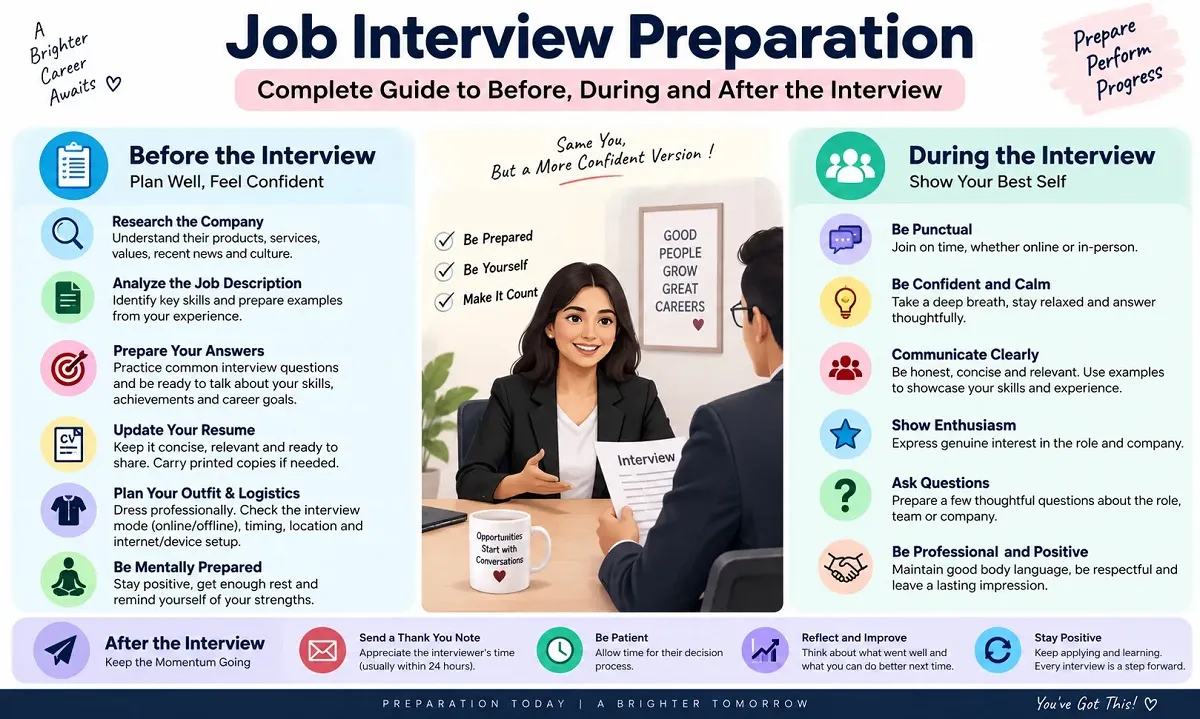
A job interview is your opportunity to show an employer how your skills, experience and approach match the role. Good preparation can make a major difference, especially when several candidates have similar qualifications.
This complete job interview preparation guide covers what to do before, during and after an interview. It also links to more detailed JobDoor guides on interview mistakes, remote interviews and competency-based questions.
How to Prepare for a Job Interview
Strong interview preparation starts before you think about possible questions. Read the vacancy carefully, understand what the employer needs and prepare clear examples from your own experience.
Read the Job Description Carefully
Identify the main responsibilities, essential skills and experience requested. Then match each important requirement with an example from your work, education, volunteering or personal projects.
Research the Employer
Look at the organisation’s website, recent announcements, products or services and the type of work it does. The aim is to understand the employer well enough to explain why the role interests you.
Prepare Your Own Reasons for Applying
Be ready to answer why you want the job and why you want to work for that particular organisation. Avoid generic answers that could apply to any employer.
Create a Job Interview Preparation Checklist
Include your CV, interview details, questions for the employer and examples that match the role. If you are still applying for jobs, our UK job-search guide covers the wider process.
- Read the job description again.
- Research the employer and the role.
- Prepare examples of relevant achievements and responsibilities.
- Review your CV so you can discuss everything on it confidently.
- Prepare answers to common interview questions.
- Choose suitable interview clothing.
- Confirm the location, travel time or video-call details.
- Prepare a few thoughtful questions for the interviewer.
Common Job Interview Questions to Prepare For
Practise common questions without memorising every word. You can also review our guide to common reasons candidates fail interviews and use the lessons to improve your preparation.
Tell Me About Yourself
Keep your answer relevant to your professional background. Briefly explain where you are now, the experience or skills most relevant to the role and why the opportunity makes sense for your next step.
Why Do You Want This Job?
Connect your answer to the work itself. Mention responsibilities, skills you want to use or develop, and why the role fits your career direction.
Why Should We Hire You?
Focus on the strongest evidence you can offer. Choose two or three relevant strengths and support them with real examples rather than making broad claims.
What Are Your Strengths and Weaknesses?
For strengths, choose qualities that matter to the role. For weaknesses, be honest but show how you are managing or improving the area.
For more guidance, read our article on job interview preparation mistakes to avoid.
How to Answer Competency-Based Interview Questions
Competency-based questions ask you to demonstrate how you handled a situation in the past. Employers may ask about teamwork, leadership, communication, problem solving, customer service or dealing with pressure.
Use the STAR Method
- Situation: Briefly explain the context.
- Task: Explain what you needed to achieve.
- Action: Describe what you personally did.
- Result: Explain the outcome and what you achieved or learned.
Keep the Focus on Your Contribution
When describing a team project, make sure the interviewer understands your own actions and responsibilities.
See our detailed guide to competency-based interview questions and answers for further examples.
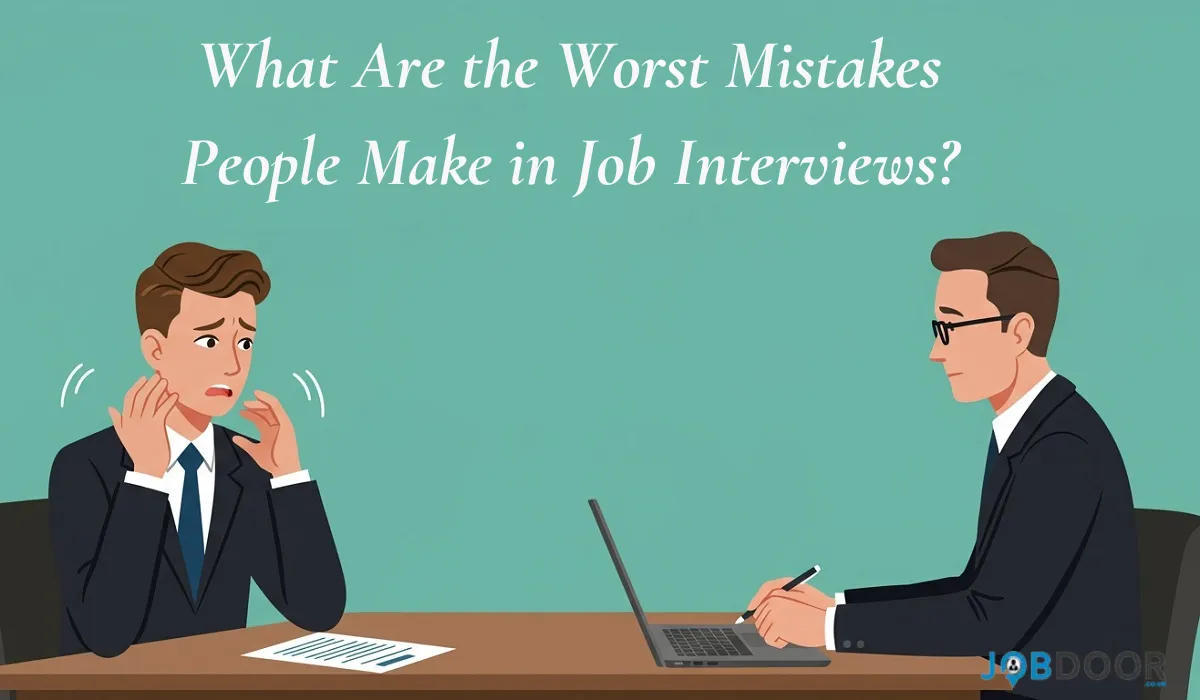
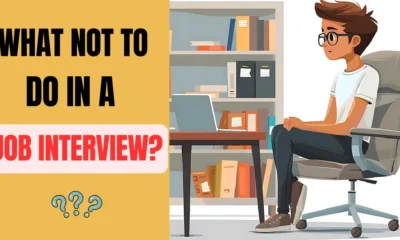
What Not to Do in a Job Interview
Many candidates lose opportunities because of avoidable mistakes rather than a lack of qualifications. Common problems include arriving unprepared, speaking negatively about previous employers, giving vague answers and failing to listen carefully.
- Do not arrive without understanding the role.
- Do not exaggerate experience or claim skills you cannot explain.
- Do not interrupt repeatedly.
- Do not criticise former employers unnecessarily.
- Do not answer every question with a rehearsed speech.
- Do not forget to ask questions when given the opportunity.
For a deeper look at interview behaviour, read what not to do in a job interview.
How to Prepare for a Remote or Video Interview
For online interviews, test your microphone, camera, internet connection and interview software in advance. See our remote interview preparation guide for a more detailed checklist.
Remote interviews need the same preparation as face-to-face interviews, with additional attention to technology and your environment.
Check Your Technology in Advance
Test your internet connection, camera, microphone and interview platform. Keep your device charged and have a backup plan if possible.
Create a Professional Environment
Choose a quiet location with good lighting and as few interruptions as possible. Keep the background simple and make sure your face can be seen clearly.
Look at the Interviewer When Speaking
On a video call, looking at the camera occasionally can create better eye contact than watching your own image on the screen.
Read our full guide on how to prepare for remote interviews.
Questions You Can Ask the Interviewer
- What would success look like in the first few months?
- What are the biggest priorities for the person in this role?
- How is the team structured?
- What training or development opportunities are available?
- What are the next stages of the recruitment process?
How to Discuss Salary During an Interview
If salary expectations come up, stay calm and professional. Research the typical range for similar roles and consider the responsibilities, location, benefits and your experience.
Give a Considered Answer
If you provide a range, make sure it is realistic and that you can explain the basis for your expectations.
What to Do After the Interview
Reflect on which answers worked well and where you can improve. Keeping your long-term employability in mind can help you turn interview feedback into useful career development.
Reflect on Your Performance
Make notes while the interview is fresh in your mind. Record questions you found difficult and think about how you could improve your answers next time.
Follow Up Professionally
If appropriate, send a brief thank-you message. Keep it professional and do not repeatedly contact the employer before the stated decision date.
Keep Applying for Suitable Roles
Do not pause your job search while waiting for one decision. Continue applying for suitable roles and improving your applications.
Frequently Asked Questions About Job Interviews
How Early Should I Arrive for an Interview?
For an in-person interview, arriving around 10 to 15 minutes early is usually sensible.
Should I Memorise My Answers?
Prepare key points and examples rather than memorising every word.
How Long Should My Answers Be?
Answer the question directly and provide enough detail to show your experience.
What if I Do Not Know the Answer?
Do not invent information. Take a moment to think, ask for clarification if needed and answer honestly based on what you do know.
Final Thoughts
Successful interviews are rarely about having a perfect script. The strongest preparation comes from understanding the role, researching the employer and having clear examples ready to demonstrate your skills.
Use this guide as your main interview preparation checklist, then read the more specialised JobDoor guides on interview mistakes, remote interviews and competency-based questions when you need additional help.



How to Start a Career in Sports and Leisure in the UK
A practical guide to sports and leisure careers in the UK, covering jobs, qualifications, apprenticeships, skills, experience, CVs and career...


How to Start a Career in Travel and Tourism in the UK
Travel and tourism is a broad career sector with opportunities in travel agencies, airports, airlines, visitor attractions, tours, hotels, heritage...


How to Start a Career in Property and Real Estate in the UK
Property and real estate is a broad career field covering residential property, commercial buildings, land, development, valuation, lettings, property management...


How to Start a Career in Hospitality in the UK
Thinking about hospitality as a career in the UK? Compare hotel, restaurant and guest service roles, entry routes, skills, apprenticeships...


How to Start a Career in Retail in the UK
Thinking about a retail career in the UK? Compare retail roles, entry routes, apprenticeships, skills, experience, CV tips and ways...


How to Start a Career in Science and Research in the UK
Planning a science or research career in the UK? Compare career paths, qualifications, apprenticeships, skills and practical ways to get...


How to Start a Career in Law in the UK
Thinking about a career in law? This guide explains UK legal career routes, qualifications, solicitor and barrister pathways, apprenticeships, skills,...


How to Start a Career in Education in the UK
Thinking about a career in education? Compare teaching and non-teaching roles, qualifications, apprenticeships, experience, skills and practical steps for getting...


How to Start a Career in Marketing in the UK
Marketing is a broad career field that combines communication, creativity, research, data and business thinking. It includes traditional marketing as...


How to Start a Career in Healthcare in the UK
Healthcare is one of the UK’s broadest career areas. It includes doctors and nurses, but also healthcare assistants, laboratory staff,...


How to Start a Career in Human Resources (HR) in the UK
Photo by Vitaly Gariev on Unsplash Human resources, usually called HR, is a people-focused career that combines communication, organisation, business...


How to Start a Career in Construction in the UK
Construction is one of the UK’s broadest career sectors. It includes hands-on trades such as bricklaying, carpentry and plumbing, as...


How to Start a Career in Energy and Utilities in the UK
Planning a career in energy and utilities in the UK? See job options, apprenticeships, qualifications, skills and practical steps to...


How to Start a Career in Media and Communications in the UK
Planning a media and communications career in the UK? Compare job options, entry routes, apprenticeships, skills, experience and practical steps...


How to Start a Career in Environmental and Sustainability Jobs in the UK
Environmental and sustainability careers are becoming an important part of many UK workplaces. Jobs in this area can involve protecting...


How to Start a Career in Cybersecurity in the UK
Thinking about a cybersecurity career in the UK? Here is a practical guide to skills, qualifications, entry-level roles, applications and...


How to Start a Career in Engineering in the UK
Thinking about engineering as a career in the UK? Here is a practical guide to engineering fields, qualifications, apprenticeships, skills,...


How to Start a Career in Government and Public Services in the UK
Thinking about a career in government or public services? This guide covers job options, entry routes, apprenticeships, skills, applications and...


Rolls-Royce Internship UK: Eligibility, Opportunities & How to Apply
Find Rolls-Royce internships in the UK with practical guidance on eligibility, opportunities, applications, assessments, skills and preparation.


How to Start a Career in Transport and Logistics in the UK
Planning a career in transport and logistics in the UK? See entry-level roles, apprenticeships, qualifications, skills and practical steps to...
-
 Career3 years ago
Flexible Jobs for Older Adults in the UK: 7 Career Options
-
 How-to8 months ago
How to Use Google Gemini for Freelance Work and Career Skills
-
 Jobs8 months ago
Second Jobs in the UK: 15 Practical Ways to Earn Extra Income
-

 Career2 years ago
Free Job Posting Sites in the UK: Options for Employers
-
 How-to8 months ago
How to Build Passive Income: 20 Income-Producing Assets for Long-Term Financial Growth
-

 AI & Tools8 months ago
How to Use Google Gemini for Productivity at Work
-

 Job Description3 years ago
Support Worker Job Description: Duties, Skills, Salary and Career Guide UK
-

 AI & Tools8 months ago
ChatGPT vs Microsoft Copilot: Which AI Is Best for You?