
Motivation
10 Habits That Can Help You Make Steady Progress in Life and Work
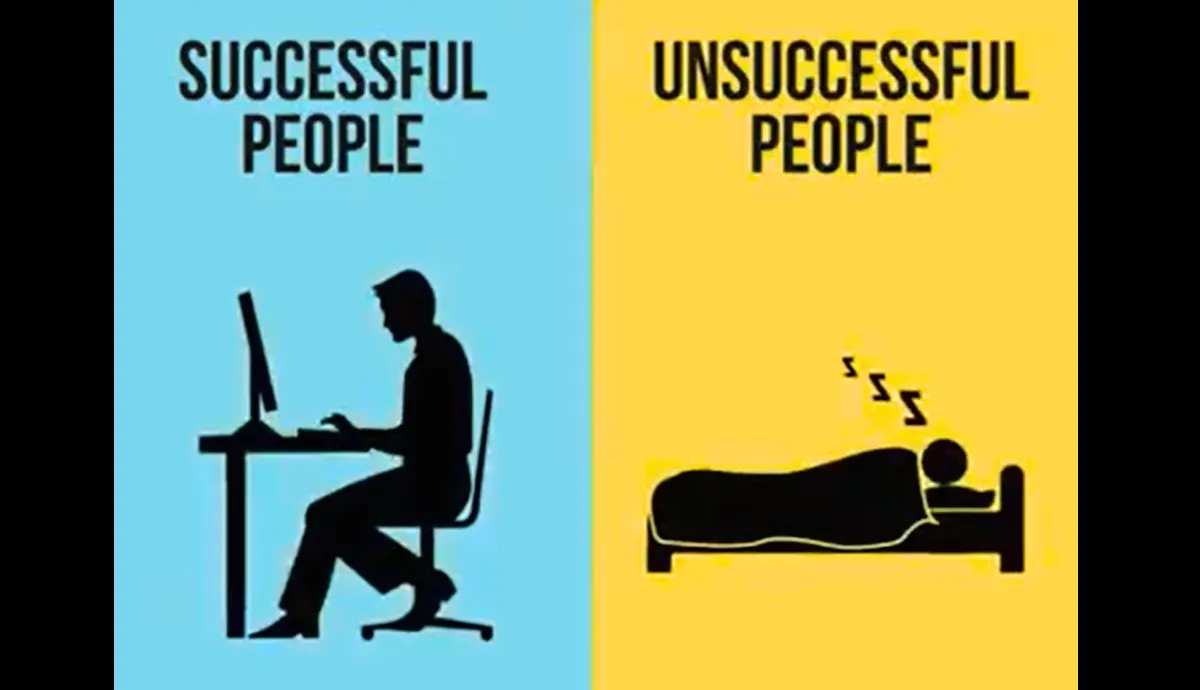
It is tempting to divide people into “successful” and “unsuccessful” groups, but real life is rarely that simple. Success depends on opportunity, circumstances, skills, support and timing as well as personal choices.
What people can often influence are their habits and responses. The following differences are not fixed personality traits. They are practical approaches that can help you make steadier progress over time.
1. They Build Confidence Through Action
Confidence is not always something people have before they begin. It often develops after taking action, gaining experience and seeing that they can handle difficult situations.
Instead of waiting to feel completely ready, focus on reasonable next steps that help you build evidence of your abilities.
2. They Set Direction Without Expecting a Perfect Plan
Long-term goals can provide direction, but careers and personal plans often change. A useful approach is to know what you are working towards while remaining willing to adjust when circumstances change.
3. They Take Calculated Risks
Progress does not require taking reckless risks. It may involve applying for a role you are not guaranteed to get, learning a difficult skill or trying a different approach.
Before taking a risk, consider the possible benefits, costs and realistic alternatives.
4. They Treat Mistakes as Information
Mistakes can be disappointing, but they can also reveal what needs to change. Rather than treating every setback as proof of personal failure, ask what happened and what you would do differently next time.
5. They Focus on Consistent Progress
Many worthwhile goals are achieved through repeated effort rather than one dramatic breakthrough. Small improvements in skills, habits and decision-making can become significant over time.
6. They Make Decisions Based on Their Priorities
Other people’s opinions can be useful, but constantly changing direction to gain approval can make progress difficult.
Define what matters to you, consider good advice and make decisions that fit your responsibilities and longer-term priorities.
7. They Recover After Setbacks
Resilience does not mean ignoring disappointment or pretending that problems do not matter. It means taking time to recover, understanding what happened and continuing when you are ready.
A setback may require a new approach rather than simply more effort.
8. They Take Responsibility for What They Can Control
Not every outcome is within your control. However, it is useful to focus on the areas where your actions can make a difference, such as preparation, communication, learning and follow-through.
This is different from blaming yourself for circumstances you could not reasonably change.
9. They Continue Learning
Skills and knowledge can become outdated, and new responsibilities often require new abilities. People who make steady progress usually remain willing to learn from experience, feedback and formal education.
You do not need to follow every trend. Focus on learning that supports your responsibilities and realistic goals.
10. They Avoid Waiting for Perfect Conditions
Perfect timing is uncommon. Waiting until every uncertainty disappears can delay useful action.
When a decision is important, gather enough information to make a reasonable choice, then review and adjust as you gain new information.
What These Habits Do Not Mean
These habits do not guarantee wealth, promotions or constant happiness. They also do not mean working all the time, ignoring health or blaming people for circumstances beyond their control.
Success is personal. For one person, it may mean career progress. For another, it may mean financial stability, meaningful work, family responsibilities or simply reaching an important personal goal.
How to Build Better Habits Without Changing Everything at Once
Choose one area that would make a meaningful difference to your current situation. For example:
- Improve one skill relevant to your work.
- Prepare more carefully for important conversations or interviews.
- Review one recent setback and identify a practical lesson.
- Set a realistic goal for the next few weeks.
- Reduce one habit that regularly distracts you from important work.
Once a change becomes manageable, you can decide what to improve next.
Common Mistakes When Trying to Become More Successful
- Comparing your progress constantly with other people.
- Changing your entire plan after one setback.
- Confusing long working hours with meaningful progress.
- Waiting for motivation before taking any action.
- Setting unrealistic goals without considering time and responsibilities.
- Ignoring useful feedback because it is uncomfortable.
- Assuming that successful people never experience doubt or failure.
Frequently Asked Questions
What is the biggest difference between successful and unsuccessful people?
There is no single difference that explains every outcome. However, habits such as learning, consistent effort, thoughtful decision-making and adapting after setbacks can support progress.
Can people change their habits and mindset?
Yes. Habits and approaches can change gradually through practice, feedback and repeated action. You do not need to change your personality to improve how you approach a goal.
Does failure mean someone is unsuccessful?
No. Failure or rejection can happen even when someone is capable and well prepared. What matters is how the experience is understood and whether useful lessons can be taken from it.
Should I take more risks to become successful?
Not necessarily. Considered risks can create opportunities, but reckless decisions can create unnecessary problems. The goal is to assess the situation rather than avoid all risk or take risks without thinking.
Final Thoughts
Progress is usually less about belonging to a special group of “successful people” and more about developing useful habits over time. Build confidence through action, keep learning, make thoughtful decisions and respond constructively when plans do not work.
For related career guidance, read our 10 Factors That Can Shape Your Career Success, 10 Key Factors for Workplace Success and Professional Growth and How to Stay Employable: 12 Long-Term Career Strategies.



How to Start a Career in Sports and Leisure in the UK
A practical guide to sports and leisure careers in the UK, covering jobs, qualifications, apprenticeships, skills, experience, CVs and career...


How to Start a Career in Travel and Tourism in the UK
Travel and tourism is a broad career sector with opportunities in travel agencies, airports, airlines, visitor attractions, tours, hotels, heritage...


How to Start a Career in Property and Real Estate in the UK
Property and real estate is a broad career field covering residential property, commercial buildings, land, development, valuation, lettings, property management...


How to Start a Career in Hospitality in the UK
Thinking about hospitality as a career in the UK? Compare hotel, restaurant and guest service roles, entry routes, skills, apprenticeships...


How to Start a Career in Retail in the UK
Thinking about a retail career in the UK? Compare retail roles, entry routes, apprenticeships, skills, experience, CV tips and ways...


How to Start a Career in Science and Research in the UK
Planning a science or research career in the UK? Compare career paths, qualifications, apprenticeships, skills and practical ways to get...


How to Start a Career in Law in the UK
Thinking about a career in law? This guide explains UK legal career routes, qualifications, solicitor and barrister pathways, apprenticeships, skills,...


How to Start a Career in Education in the UK
Thinking about a career in education? Compare teaching and non-teaching roles, qualifications, apprenticeships, experience, skills and practical steps for getting...


How to Start a Career in Marketing in the UK
Marketing is a broad career field that combines communication, creativity, research, data and business thinking. It includes traditional marketing as...


How to Start a Career in Healthcare in the UK
Healthcare is one of the UK’s broadest career areas. It includes doctors and nurses, but also healthcare assistants, laboratory staff,...


How to Start a Career in Human Resources (HR) in the UK
Photo by Vitaly Gariev on Unsplash Human resources, usually called HR, is a people-focused career that combines communication, organisation, business...


How to Start a Career in Construction in the UK
Construction is one of the UK’s broadest career sectors. It includes hands-on trades such as bricklaying, carpentry and plumbing, as...


How to Start a Career in Energy and Utilities in the UK
Planning a career in energy and utilities in the UK? See job options, apprenticeships, qualifications, skills and practical steps to...


How to Start a Career in Media and Communications in the UK
Planning a media and communications career in the UK? Compare job options, entry routes, apprenticeships, skills, experience and practical steps...


How to Start a Career in Environmental and Sustainability Jobs in the UK
Environmental and sustainability careers are becoming an important part of many UK workplaces. Jobs in this area can involve protecting...


How to Start a Career in Cybersecurity in the UK
Thinking about a cybersecurity career in the UK? Here is a practical guide to skills, qualifications, entry-level roles, applications and...


How to Start a Career in Engineering in the UK
Thinking about engineering as a career in the UK? Here is a practical guide to engineering fields, qualifications, apprenticeships, skills,...


How to Start a Career in Government and Public Services in the UK
Thinking about a career in government or public services? This guide covers job options, entry routes, apprenticeships, skills, applications and...


Rolls-Royce Internship UK: Eligibility, Opportunities & How to Apply
Find Rolls-Royce internships in the UK with practical guidance on eligibility, opportunities, applications, assessments, skills and preparation.


How to Start a Career in Transport and Logistics in the UK
Planning a career in transport and logistics in the UK? See entry-level roles, apprenticeships, qualifications, skills and practical steps to...
-
 Career3 years ago
Flexible Jobs for Older Adults in the UK: 7 Career Options
-
 How-to8 months ago
How to Use Google Gemini for Freelance Work and Career Skills
-
 Jobs8 months ago
Second Jobs in the UK: 15 Practical Ways to Earn Extra Income
-

 Career2 years ago
Free Job Posting Sites in the UK: Options for Employers
-
 How-to8 months ago
How to Build Passive Income: 20 Income-Producing Assets for Long-Term Financial Growth
-

 AI & Tools8 months ago
How to Use Google Gemini for Productivity at Work
-

 Job Description3 years ago
Support Worker Job Description: Duties, Skills, Salary and Career Guide UK
-

 AI & Tools8 months ago
ChatGPT vs Microsoft Copilot: Which AI Is Best for You?